
Why Passwords Are Slowly Becoming Obsolete in the Digital Age

Passwords have protected our online accounts for decades, but they are slowly losing their place in today's digital world. From banking apps and social media to work platforms and online shopping, people are expected to remember dozens of different passwords. Unfortunately, weak passwords, repeated combinations and phishing scams have made them one of the biggest security risks online. As cyber threats continue to grow, technology companies are introducing smarter and safer ways to verify identity. Passwordless authentication , biometric security and digital passkeys are changing how people log in. While passwords are unlikely to disappear overnight, the shift has already begun, and it could transform the way we use the internet in the years ahead.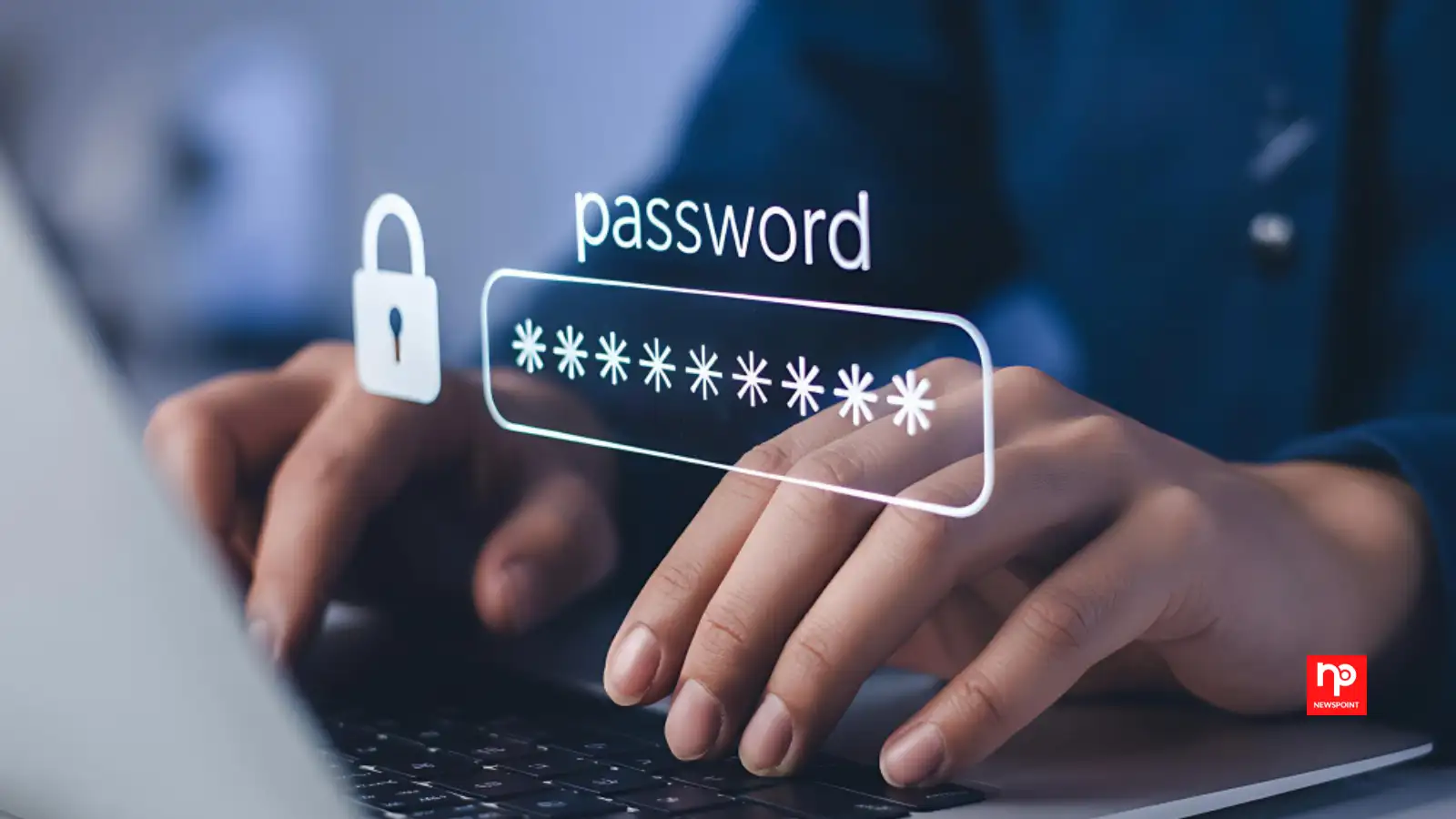
As a result, many people reuse the same password across multiple websites. If just one website suffers a data breach, hackers can often gain access to several other accounts using the same login details. This practice, known as credential stuffing, has become one of the most common forms of cybercrime.
At the same time, phishing attacks have become increasingly convincing. Fraudulent emails, fake websites and scam messages often trick users into revealing their passwords without realising it.
Fingerprint recognition, facial recognition and device-based authentication are now common on smartphones and laptops. These methods rely on unique physical characteristics or trusted devices, making unauthorised access far more difficult.
Another major development is the introduction of passkeys. Unlike traditional passwords, passkeys use advanced cryptographic technology stored securely on a user's device. Even if hackers intercept data during login, they cannot reuse it to access an account.
Major technology companies are increasingly supporting passkeys, signalling a significant shift towards a password-free future.
Unlike passwords, biometrics cannot simply be guessed or reused on another website. Modern devices also store biometric information locally rather than uploading it to remote servers, reducing the risk of large-scale data theft.
However, biometrics are not perfect. Environmental conditions, damaged fingerprints or changes in appearance can occasionally affect recognition. That is why many systems combine biometric verification with additional security measures.
Interestingly, the strongest passwords are not always enough. If users unknowingly enter them into fake websites, even highly complex passwords can be compromised. This is one of the reasons security experts now focus on reducing dependence on passwords altogether.
Another lesser-known fact is that password managers have become an important stepping stone towards passwordless security. They help users create unique credentials until passkeys become more widely adopted.
Businesses can reduce costly security breaches, while individuals benefit from quicker and more secure logins. Passwordless systems also reduce frustration caused by forgotten passwords and repeated account recovery requests.
As more banking services, healthcare platforms and government websites adopt stronger authentication methods, users will likely experience a smoother and safer digital environment.
Why Passwords Are Becoming Less Reliable
Passwords were once considered a simple and effective way to secure digital accounts. However, today's online world is far more connected than it was twenty years ago. Most people now manage dozens, or even hundreds, of online accounts, making it difficult to create and remember unique passwords for each one.As a result, many people reuse the same password across multiple websites. If just one website suffers a data breach, hackers can often gain access to several other accounts using the same login details. This practice, known as credential stuffing, has become one of the most common forms of cybercrime.
At the same time, phishing attacks have become increasingly convincing. Fraudulent emails, fake websites and scam messages often trick users into revealing their passwords without realising it.
The Rise of Passwordless Authentication
Technology companies have recognised these weaknesses and are investing in passwordless authentication. Instead of typing a password, users can verify their identity through methods that are much harder to steal.Fingerprint recognition, facial recognition and device-based authentication are now common on smartphones and laptops. These methods rely on unique physical characteristics or trusted devices, making unauthorised access far more difficult.
Another major development is the introduction of passkeys. Unlike traditional passwords, passkeys use advanced cryptographic technology stored securely on a user's device. Even if hackers intercept data during login, they cannot reuse it to access an account.
Major technology companies are increasingly supporting passkeys, signalling a significant shift towards a password-free future.
Why Biometrics Are Changing Digital Security
Biometric authentication has become one of the biggest innovations in online security . Fingerprints, facial recognition and even iris scanning provide an extra layer of protection because these characteristics are unique to each individual.You may also like
- Indian airlines see stronger international traffic in June despite fuel headwinds: Report
- Hackers hit Bitcoin's safest hiding place in ongoing attack
- Huge UK broadband speed upgrade confirmed but only if your postcode is on the list
- Uber CTO who sparked Tokenmaxxing panic after saying that Uber almost blew through its entire 2026 budget in first three months, now has another lesson on using AI
- Govt backs FSSAI action against Old Monk, McDowell's, other brands over flavouring, age claims
Unlike passwords, biometrics cannot simply be guessed or reused on another website. Modern devices also store biometric information locally rather than uploading it to remote servers, reducing the risk of large-scale data theft.
However, biometrics are not perfect. Environmental conditions, damaged fingerprints or changes in appearance can occasionally affect recognition. That is why many systems combine biometric verification with additional security measures.
Surprising Facts About Password Security
Many people are unaware that the average internet user has dozens of online accounts, making password management increasingly difficult. Cybersecurity experts also estimate that stolen passwords continue to play a role in a large percentage of successful cyberattacks worldwide.Interestingly, the strongest passwords are not always enough. If users unknowingly enter them into fake websites, even highly complex passwords can be compromised. This is one of the reasons security experts now focus on reducing dependence on passwords altogether.
Another lesser-known fact is that password managers have become an important stepping stone towards passwordless security. They help users create unique credentials until passkeys become more widely adopted.
Why This Change Matters for Everyone
The move away from passwords is not just about convenience. It is also about improving digital safety for millions of people.Businesses can reduce costly security breaches, while individuals benefit from quicker and more secure logins. Passwordless systems also reduce frustration caused by forgotten passwords and repeated account recovery requests.
As more banking services, healthcare platforms and government websites adopt stronger authentication methods, users will likely experience a smoother and safer digital environment.






Loving Newspoint? Download the app now
