
Why Phone Batteries Don't Last Forever and How to Slow Ageing

Few things are more frustrating than noticing that a smartphone which once lasted all day now struggles to make it until evening. Many people assume this is simply because they use their phone more often, but the real reason is more complex. Like all rechargeable batteries, smartphone batteries gradually wear out with age and repeated use. This process begins from the very first charge and continues throughout the battery's lifespan. While battery ageing is unavoidable, understanding what causes it can help users extend battery health and keep their devices performing better for longer.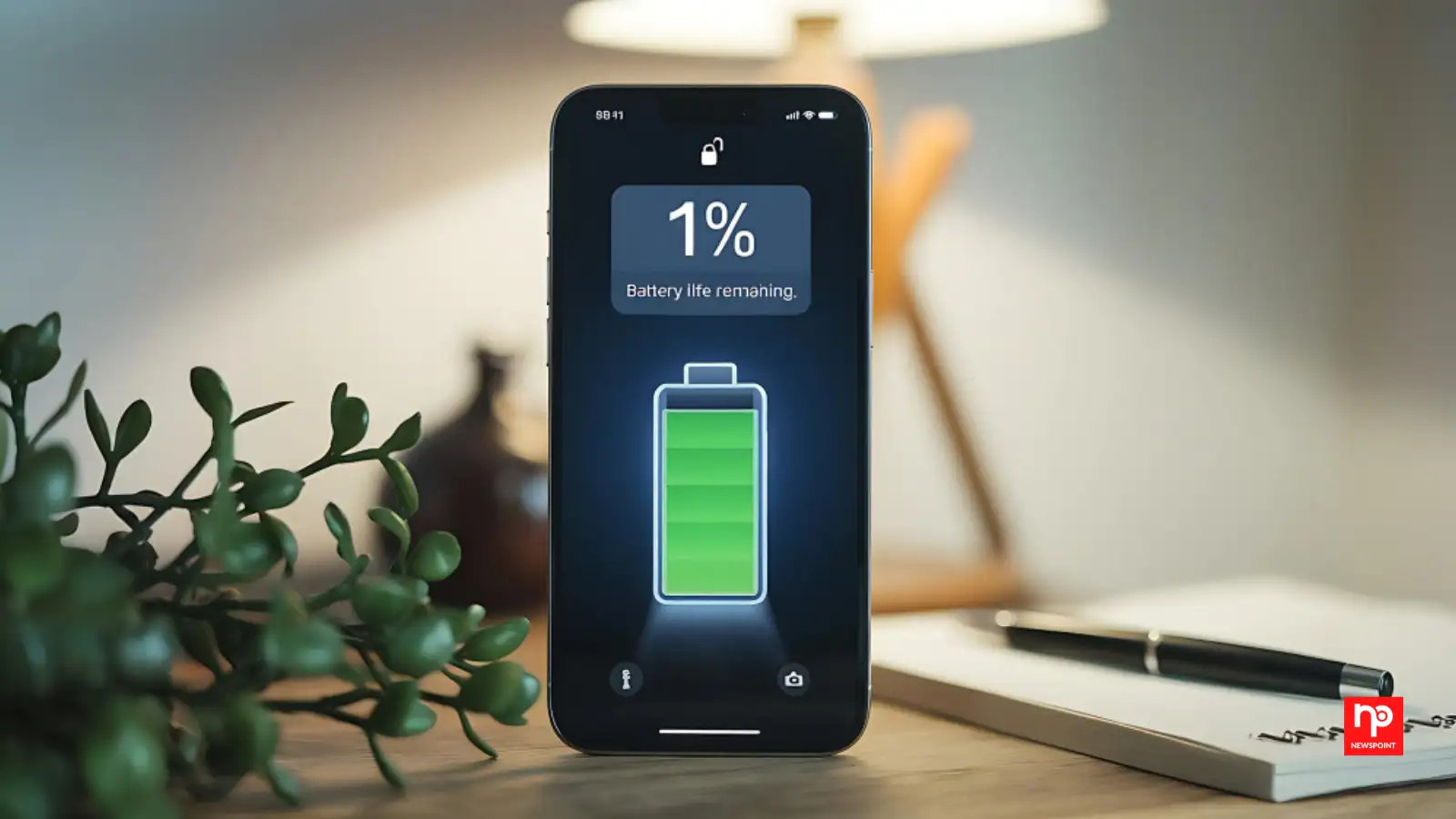
A charge cycle refers to using the equivalent of 100 per cent of the battery's capacity, although this may happen over several partial charges rather than one complete discharge. After hundreds of cycles, the battery can no longer hold as much energy as it did when it was new.
This gradual decline explains why older phones often need charging more frequently.
Leaving a phone in direct sunlight, using it heavily while charging or running demanding games for long periods can all cause the device to heat up significantly.
Fast charging may also generate additional heat, although modern smartphones include safety systems to reduce the risk of damage. Keeping a phone cool whenever possible is one of the simplest ways to protect long-term battery health.
Lithium-ion batteries actually perform best when they avoid spending long periods at either 0 per cent or 100 per cent charge. Frequently allowing the battery to drop to extremely low levels or keeping it fully charged overnight every day may contribute to faster ageing over the long term.
Many newer smartphones now include adaptive charging features that learn a user's routine and slow charging overnight to reduce battery stress.
Location services, automatic backups, constant notifications and high screen brightness all contribute to higher energy consumption. While these features are useful, managing them carefully can reduce unnecessary battery drain.
Regular software updates also help improve battery efficiency, as manufacturers often optimise power management through system improvements.
Some phones automatically limit charging speed when they detect excessive heat, while others postpone the final stage of charging until shortly before the user usually wakes up.
Researchers are also exploring new battery materials, including silicon-based anodes and solid-state batteries, which could offer greater capacity, faster charging and longer lifespans in future smartphones.
Reducing unnecessary background activity and avoiding frequent full discharges can also help maintain battery health over the years.
Small changes in daily charging habits often have a greater impact than many people realise.
Why Phone Batteries Naturally Age
Most modern smartphones use lithium-ion batteries, which are lightweight, recharge quickly and store a large amount of energy. However, every battery has a limited number of charge cycles before its capacity begins to decline.A charge cycle refers to using the equivalent of 100 per cent of the battery's capacity, although this may happen over several partial charges rather than one complete discharge. After hundreds of cycles, the battery can no longer hold as much energy as it did when it was new.
This gradual decline explains why older phones often need charging more frequently.
Heat Is One of the Biggest Enemies
One of the lesser-known causes of battery ageing is excessive heat. High temperatures speed up the chemical reactions inside lithium-ion batteries, accelerating wear over time.Leaving a phone in direct sunlight, using it heavily while charging or running demanding games for long periods can all cause the device to heat up significantly.
Fast charging may also generate additional heat, although modern smartphones include safety systems to reduce the risk of damage. Keeping a phone cool whenever possible is one of the simplest ways to protect long-term battery health.
Charging Habits Matter More Than You Think
Many people believe they must fully discharge their phone before charging it, but this advice applied mainly to older battery technologies.Lithium-ion batteries actually perform best when they avoid spending long periods at either 0 per cent or 100 per cent charge. Frequently allowing the battery to drop to extremely low levels or keeping it fully charged overnight every day may contribute to faster ageing over the long term.
You may also like
- Microsoft CEO Satya Nadella flips a Nobel economist's paradox on AI buyers; says: The seller learns more and more about you as you...
- Sky confirms ultimate free upgrade for millions, check your account now
- Hack of the day: How to update your EPF exit date online before PF withdrawal
- Ather Energy raises Rs 1,300 crore via QIP, allots shares at Rs 1,202 apiece
- India issues 1,331 commercial pilot licences in Jan-June: Govt
Many newer smartphones now include adaptive charging features that learn a user's routine and slow charging overnight to reduce battery stress.
Background Apps Also Affect Battery Health
Battery ageing is not only influenced by charging habits. Apps running continuously in the background place extra demand on the battery, increasing the number of charging cycles over time.Location services, automatic backups, constant notifications and high screen brightness all contribute to higher energy consumption. While these features are useful, managing them carefully can reduce unnecessary battery drain.
Regular software updates also help improve battery efficiency, as manufacturers often optimise power management through system improvements.
How Manufacturers Are Improving Battery Technology
Smartphone makers are investing heavily in battery innovation. Artificial intelligence now helps many devices understand usage patterns and manage charging more efficiently.Some phones automatically limit charging speed when they detect excessive heat, while others postpone the final stage of charging until shortly before the user usually wakes up.
Researchers are also exploring new battery materials, including silicon-based anodes and solid-state batteries, which could offer greater capacity, faster charging and longer lifespans in future smartphones.
Simple Ways to Extend Battery Life
Although battery ageing cannot be completely prevented, a few everyday habits can slow the process. Avoid exposing your phone to extreme heat, use high-quality chargers, enable adaptive charging if available and keep your software up to date.Reducing unnecessary background activity and avoiding frequent full discharges can also help maintain battery health over the years.
Small changes in daily charging habits often have a greater impact than many people realise.






Loving Newspoint? Download the app now
