
Contactless Payments Explained: What Happens When You Tap Your Card or Phone?

Paying for everyday purchases has changed dramatically over the past decade. Whether buying groceries, travelling on public transport or grabbing a coffee, millions of people now simply tap their bank card, smartphone or smartwatch instead of inserting a card or handing over cash. The process takes only a few seconds, yet a remarkable amount of technology is working behind the scenes to make each transaction quick and secure. From wireless communication and encryption to tokenisation and real-time fraud detection, contactless payments combine several advanced technologies. Understanding how they work reveals why this convenient payment method has become a trusted part of modern life.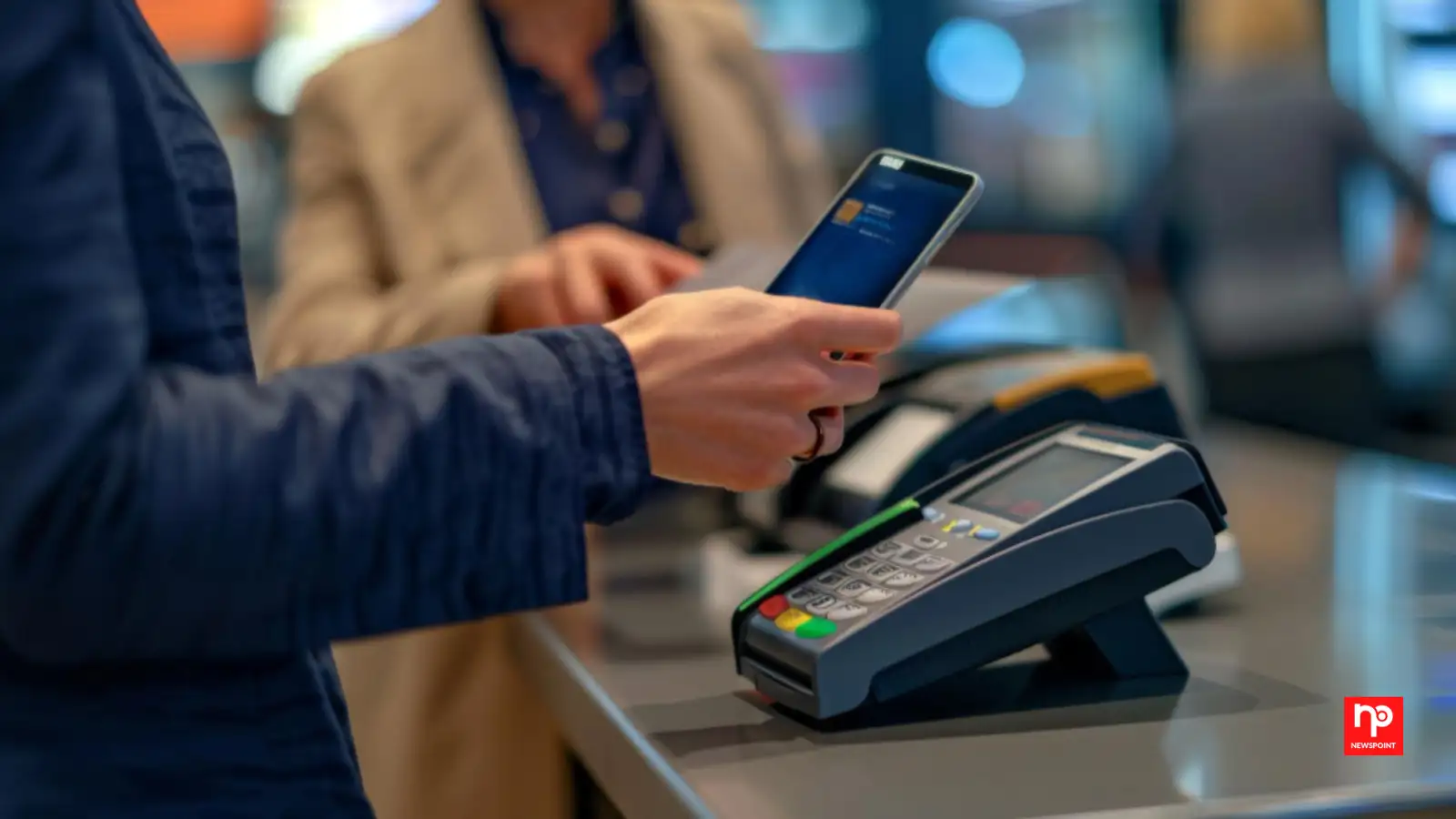
When you tap your bank card or smartphone against a payment terminal, the two devices establish a secure, short-range connection almost instantly. Because NFC only works over very short distances, it is far more difficult for someone nearby to intercept the communication.
This technology has become standard in most modern payment cards, smartphones and wearable devices.
Rather than transmitting sensitive banking information in plain text, payment systems use encryption to scramble the data before it is sent. Even if someone managed to intercept the signal, the encrypted information would be extremely difficult to read or misuse.
Banks and payment networks also use secure authentication systems to confirm that each transaction comes from a legitimate source before approving payment.
This temporary code has no value outside that specific payment. Even if it were somehow stolen, it could not easily be used for future purchases.
Digital wallets such as those on smartphones rely heavily on tokenisation, making mobile payments even more secure than many people realise.
These devices often require fingerprint recognition, facial recognition or a passcode before authorising payment. This means that even if a device is lost, someone else cannot simply tap it to make purchases without verifying their identity.
Many digital wallets also allow users to disable payment features remotely if a device goes missing, adding another level of security.
If a purchase appears suspicious, such as an unusually large transaction or spending in an unexpected location, banks may temporarily pause the payment or request additional verification.
These AI-powered systems analyse millions of transactions every day, helping reduce fraud while allowing legitimate purchases to proceed without delays.
As digital wallets become more common and wearable technology continues to improve, contactless payments are expected to play an even bigger role in everyday life.
Future developments may include biometric authentication, enhanced encryption and even faster transaction processing, making the technology more seamless than ever.
Contactless Payments Rely on Near Field Communication
The technology at the heart of contactless payments is called Near Field Communication, or NFC. It allows two compatible devices to exchange information wirelessly when they are held just a few centimetres apart.When you tap your bank card or smartphone against a payment terminal, the two devices establish a secure, short-range connection almost instantly. Because NFC only works over very short distances, it is far more difficult for someone nearby to intercept the communication.
This technology has become standard in most modern payment cards, smartphones and wearable devices.
Encryption Keeps Your Financial Information Safe
One of the biggest reasons people trust contactless payments is the strong security built into every transaction.Rather than transmitting sensitive banking information in plain text, payment systems use encryption to scramble the data before it is sent. Even if someone managed to intercept the signal, the encrypted information would be extremely difficult to read or misuse.
Banks and payment networks also use secure authentication systems to confirm that each transaction comes from a legitimate source before approving payment.
Tokenisation Adds Another Layer of Protection
A lesser-known security feature behind contactless payments is tokenisation. Instead of sharing your actual card number with the retailer, the payment system generates a unique digital token for each transaction.This temporary code has no value outside that specific payment. Even if it were somehow stolen, it could not easily be used for future purchases.
You may also like
- Microsoft CEO Satya Nadella flips a Nobel economist's paradox on AI buyers; says: The seller learns more and more about you as you...
- Sky confirms ultimate free upgrade for millions, check your account now
- Hack of the day: How to update your EPF exit date online before PF withdrawal
- Ather Energy raises Rs 1,300 crore via QIP, allots shares at Rs 1,202 apiece
- India issues 1,331 commercial pilot licences in Jan-June: Govt
Digital wallets such as those on smartphones rely heavily on tokenisation, making mobile payments even more secure than many people realise.
Smartphones and Smartwatches Have Expanded Contactless Payments
Although contactless bank cards remain popular, smartphones and smartwatches have introduced additional convenience.These devices often require fingerprint recognition, facial recognition or a passcode before authorising payment. This means that even if a device is lost, someone else cannot simply tap it to make purchases without verifying their identity.
Many digital wallets also allow users to disable payment features remotely if a device goes missing, adding another level of security.
Artificial Intelligence Helps Detect Fraud
Modern payment systems do more than simply process transactions. Artificial intelligence continuously monitors payment activity to identify unusual spending patterns.If a purchase appears suspicious, such as an unusually large transaction or spending in an unexpected location, banks may temporarily pause the payment or request additional verification.
These AI-powered systems analyse millions of transactions every day, helping reduce fraud while allowing legitimate purchases to proceed without delays.
Why Contactless Payments Matter Today
The popularity of contactless payments has grown rapidly because they save time and reduce physical contact with payment terminals. Public transport systems, supermarkets, restaurants and small businesses now widely accept tap-to-pay methods.As digital wallets become more common and wearable technology continues to improve, contactless payments are expected to play an even bigger role in everyday life.
Future developments may include biometric authentication, enhanced encryption and even faster transaction processing, making the technology more seamless than ever.






Loving Newspoint? Download the app now
