
Why So Many Apps Want Access to Your Location

Almost every smartphone user has seen the same permission request countless times. Apps ask for access to location data even when their main function seems unrelated to navigation.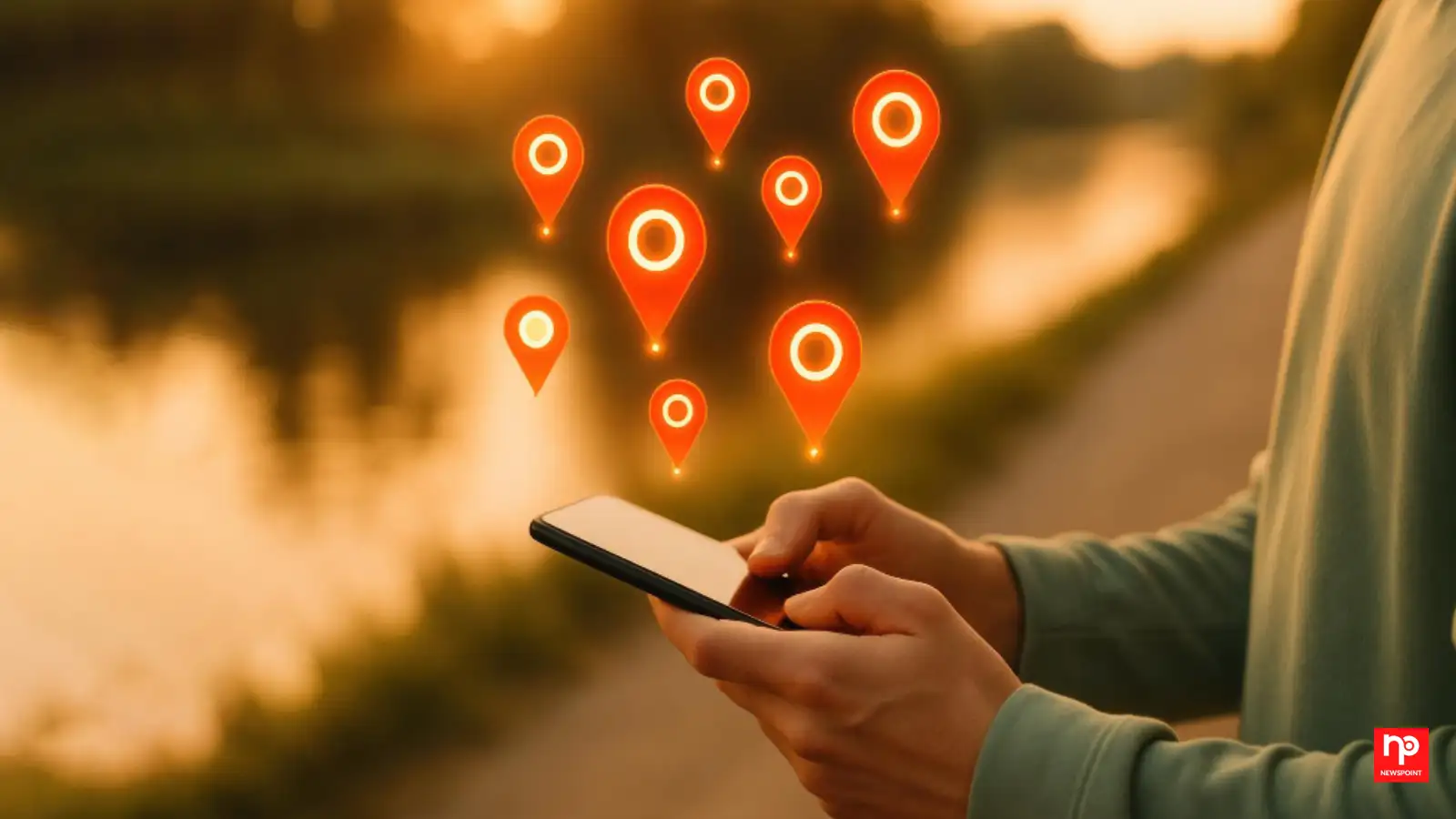
Many people click “Allow” automatically without thinking much about why the app needs that information.
In reality, location data became one of the most valuable forms of digital information in modern technology.
Maps, delivery apps, weather services, and ride-sharing platforms depend heavily on real-time positioning to provide accurate results.
Other apps use location to recommend nearby shops, events, restaurants, or local content more effectively.
Businesses can target promotions based on where people live, shop, travel, or spend time regularly. This allows advertisers to create highly specific marketing campaigns tied to physical behaviour patterns.
For technology companies, location data represents commercial insight into real-world human movement.
Background tracking helps certain services operate smoothly, but it also created growing privacy concerns over how much information companies gather continuously.
Modern smartphones now offer more detailed permission controls partly because of these concerns.
Typing addresses manually feels slower than automatic location detection, so users often grant permissions quickly without reviewing settings carefully.
This behavioural pattern allowed location-based ecosystems to expand rapidly.
Phones no longer simply help people communicate. They also record movement patterns, routines, preferences, and behavioural habits continuously through connected apps and services.
The convenience is undeniable, but so is the growing value of knowing exactly where people go and how they move through daily life.
Many people click “Allow” automatically without thinking much about why the app needs that information.
In reality, location data became one of the most valuable forms of digital information in modern technology.
Location Data Helps Personalise Services
Some apps genuinely need location access to function properly.Maps, delivery apps, weather services, and ride-sharing platforms depend heavily on real-time positioning to provide accurate results.
Other apps use location to recommend nearby shops, events, restaurants, or local content more effectively.
Advertising Became a Major Motivation
Location information is extremely valuable for advertising systems.Businesses can target promotions based on where people live, shop, travel, or spend time regularly. This allows advertisers to create highly specific marketing campaigns tied to physical behaviour patterns.
For technology companies, location data represents commercial insight into real-world human movement.
You may also like
- Win a 65" Hisense U8Q and PureFlat Eclipse Fridge Freezer
- India's 'Cockroach Janta Party' group goes viral, spotlights Gen Z worries
- The Amazon Kindle Scribe Colorsoft is having an expensive identity crisis
- Marvel Rivals' latest update brings new event and store items: Here's everything we know
- Intex Raag 350 launched along with Raag 2000 and Raag 1600 party speakers
Background Tracking Raises Concerns
Many users do not realise some apps continue collecting location data even when not actively open.Background tracking helps certain services operate smoothly, but it also created growing privacy concerns over how much information companies gather continuously.
Modern smartphones now offer more detailed permission controls partly because of these concerns.
Convenience Often Overrides Privacy
People usually prioritise convenience over privacy during app installation.Typing addresses manually feels slower than automatic location detection, so users often grant permissions quickly without reviewing settings carefully.
This behavioural pattern allowed location-based ecosystems to expand rapidly.
Smartphones Became Digital Maps of Human Behaviour
Location tracking reflects a broader shift in modern technology.Phones no longer simply help people communicate. They also record movement patterns, routines, preferences, and behavioural habits continuously through connected apps and services.
The convenience is undeniable, but so is the growing value of knowing exactly where people go and how they move through daily life.






More from our partners


Loving Newspoint? Download the app now
