
Why Smartphone Speakers Have So Many Holes: The Surprising Reason Not All of Them Produce Sound

Why smartphone speakers have so many holes is a question many users have wondered about after taking a closer look at their devices. At first glance, every tiny opening on the speaker grille appears to serve the same purpose. However, the reality is far more interesting. Many of these holes are designed for microphones, air pressure control, and device protection rather than audio playback. This clever engineering helps improve call quality, enhance durability, and even contribute to your phone's water resistance.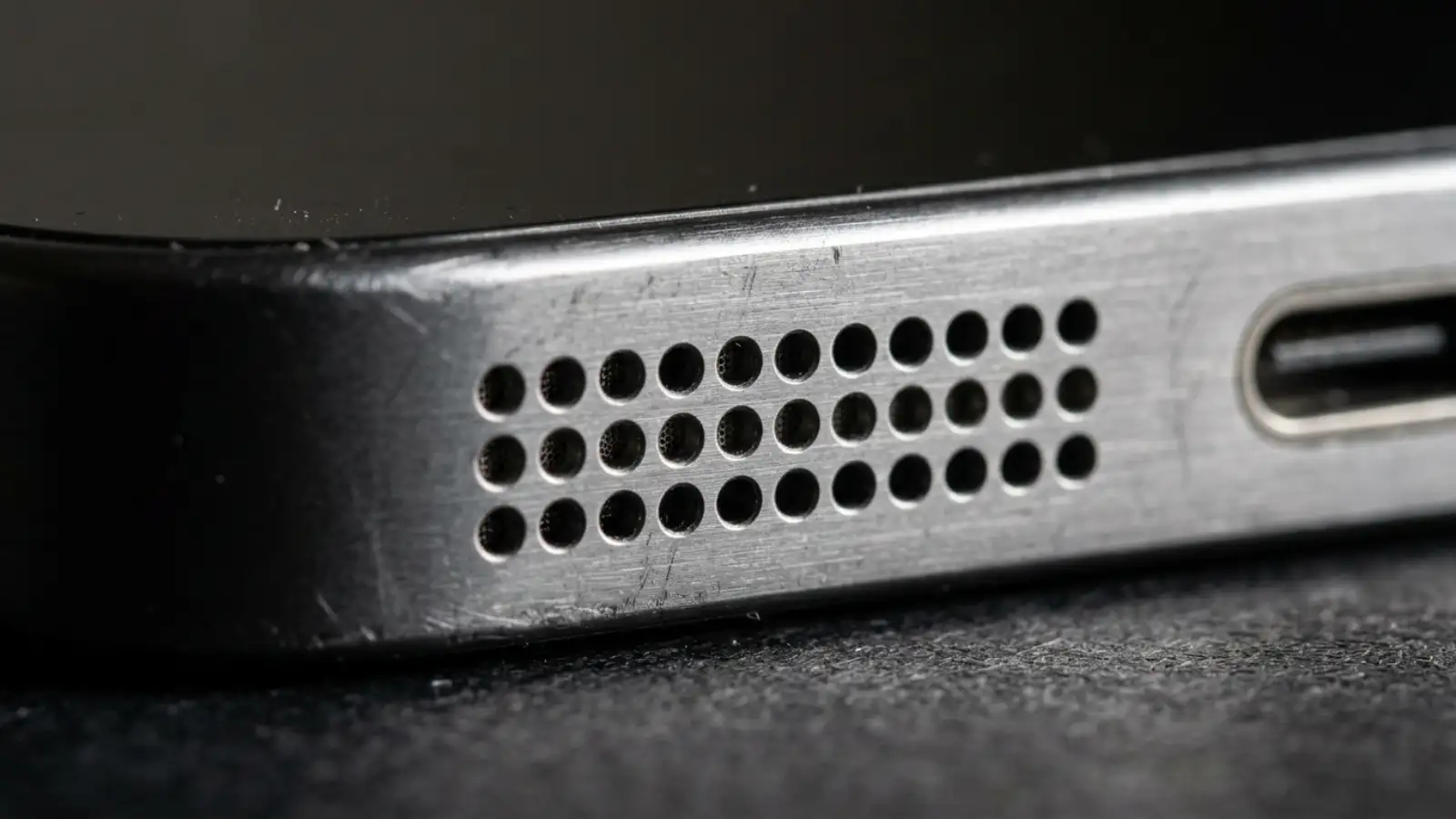
Not Every Hole on Your Phone Is a Speaker
One of the biggest misconceptions about smartphones is that every tiny hole near the bottom or top of the device is a speaker outlet. In reality, only some of these openings are connected to the speaker.
Modern smartphones feature several small holes that perform different tasks. While a few allow sound to travel from the speaker, others house microphones or serve as ventilation ports. Manufacturers carefully position these openings to maximise performance without affecting the phone's sleek design.
Multiple Microphones Deliver Clearer Calls
Many of the tiny holes you see on a smartphone actually cover microphones rather than speakers.
Most modern phones are equipped with multiple microphones placed in different areas, such as near the charging port, around the rear camera module, and at the top edge. Each microphone has a specific role. One primarily captures your voice, while the others detect surrounding sounds.
Using advanced noise-cancellation technology, the phone compares these audio signals and filters out unwanted background noise. This allows your voice to remain clear, even when you're speaking in crowded streets, busy markets, or noisy public places.
Some Tiny Openings Help Protect Your Phone
Not every visible hole on your smartphone is related to audio at all.
Certain openings function as pressure-equalising vents that allow air to move in and out of the device. These vents help maintain internal pressure while preserving the phone's water-resistant seal. Behind them is often a specialised waterproof membrane that blocks water but still allows airflow.
This design reduces pressure build-up when the phone is exposed to splashes, sudden temperature changes, or even brief submersion. It also assists with passive heat management, helping the device stay cooler during regular use.
Speaker Grilles Protect Delicate Internal Components
The holes that do belong to the speaker serve another important purpose beyond letting sound escape.
Instead of leaving the speaker diaphragm exposed, manufacturers place a protective grille over it. The series of tiny openings allows sound waves to travel freely while shielding the delicate speaker membrane from dust, dirt, lint, moisture, and accidental contact.
Without this protective layer, the speaker would be far more vulnerable to damage and long-term performance issues.
Why This Design Matters in Everyday Use
Although these tiny holes may seem insignificant, they play a major role in your smartphone's overall performance.
The combination of microphones, protective grilles, and pressure vents helps deliver:
This is one reason why premium smartphones often provide noticeably clearer calls and better reliability than entry-level devices.
Keep the Tiny Holes Clean
If your phone's speaker starts sounding muffled or your voice isn't being picked up clearly during calls, the issue may not be a faulty speaker.
Over time, dust, lint, and pocket debris can block these tiny openings, affecting both speakers and microphones. Cleaning them gently with a soft brush or compressed air can often restore normal performance without the need for repairs.
The next time you notice the row of tiny holes on your smartphone, remember that they do much more than simply play music. Some project sound, others capture your voice, while a few help regulate air pressure and protect the phone from water and dust. It's a small engineering detail that quietly improves your smartphone's audio quality, durability, and everyday performance.
Not Every Hole on Your Phone Is a Speaker
One of the biggest misconceptions about smartphones is that every tiny hole near the bottom or top of the device is a speaker outlet. In reality, only some of these openings are connected to the speaker.
Modern smartphones feature several small holes that perform different tasks. While a few allow sound to travel from the speaker, others house microphones or serve as ventilation ports. Manufacturers carefully position these openings to maximise performance without affecting the phone's sleek design.
Multiple Microphones Deliver Clearer Calls
Many of the tiny holes you see on a smartphone actually cover microphones rather than speakers.
Most modern phones are equipped with multiple microphones placed in different areas, such as near the charging port, around the rear camera module, and at the top edge. Each microphone has a specific role. One primarily captures your voice, while the others detect surrounding sounds.
Using advanced noise-cancellation technology, the phone compares these audio signals and filters out unwanted background noise. This allows your voice to remain clear, even when you're speaking in crowded streets, busy markets, or noisy public places.
Some Tiny Openings Help Protect Your Phone
Not every visible hole on your smartphone is related to audio at all.
Certain openings function as pressure-equalising vents that allow air to move in and out of the device. These vents help maintain internal pressure while preserving the phone's water-resistant seal. Behind them is often a specialised waterproof membrane that blocks water but still allows airflow.
This design reduces pressure build-up when the phone is exposed to splashes, sudden temperature changes, or even brief submersion. It also assists with passive heat management, helping the device stay cooler during regular use.
You may also like
- Quote of the day by Google founder Sergey Brin: "It's not enough not to be evil. We also actively try…"
- Rapid fashion delivery startup Klydo shuts down operations
- As heat wave sweeps across several states in the US, White House has reportedly deleted thousands of web pages about...
- Nykaa expects Q1 revenue growth near 30%, helped by fashion recovery
- Foxconn Q2 revenue jumps, company cautions on geopolitics
Speaker Grilles Protect Delicate Internal Components
The holes that do belong to the speaker serve another important purpose beyond letting sound escape.
Instead of leaving the speaker diaphragm exposed, manufacturers place a protective grille over it. The series of tiny openings allows sound waves to travel freely while shielding the delicate speaker membrane from dust, dirt, lint, moisture, and accidental contact.
Without this protective layer, the speaker would be far more vulnerable to damage and long-term performance issues.
Why This Design Matters in Everyday Use
Although these tiny holes may seem insignificant, they play a major role in your smartphone's overall performance.
The combination of microphones, protective grilles, and pressure vents helps deliver:
- Better voice quality during phone and video calls
- More effective background noise reduction
- Improved water and dust resistance
- Greater protection for internal speaker components
- Enhanced long-term durability
This is one reason why premium smartphones often provide noticeably clearer calls and better reliability than entry-level devices.
Keep the Tiny Holes Clean
If your phone's speaker starts sounding muffled or your voice isn't being picked up clearly during calls, the issue may not be a faulty speaker.
Over time, dust, lint, and pocket debris can block these tiny openings, affecting both speakers and microphones. Cleaning them gently with a soft brush or compressed air can often restore normal performance without the need for repairs.
The next time you notice the row of tiny holes on your smartphone, remember that they do much more than simply play music. Some project sound, others capture your voice, while a few help regulate air pressure and protect the phone from water and dust. It's a small engineering detail that quietly improves your smartphone's audio quality, durability, and everyday performance.






More from our partners


Loving Newspoint? Download the app now
