
5 Places on Earth That Are Compared to Hell and Yet Travellers Keep Going

Danakil Depression , Ethiopia: The Hottest Place on Earth with the Colours of Another Planet
Located in the Afar Triangle of northeastern Ethiopia at more than 400 feet below sea level, the Danakil Depression is consistently cited as one of the hottest, lowest , and most geologically active places on the planet. Average daily high temperatures regularly exceed 50 degrees Celsius in summer, and the landscape combines salt flats , acid lakes , active volcanoes, and psychedelic sulphur fields into an environment that looks like something from a science fiction film.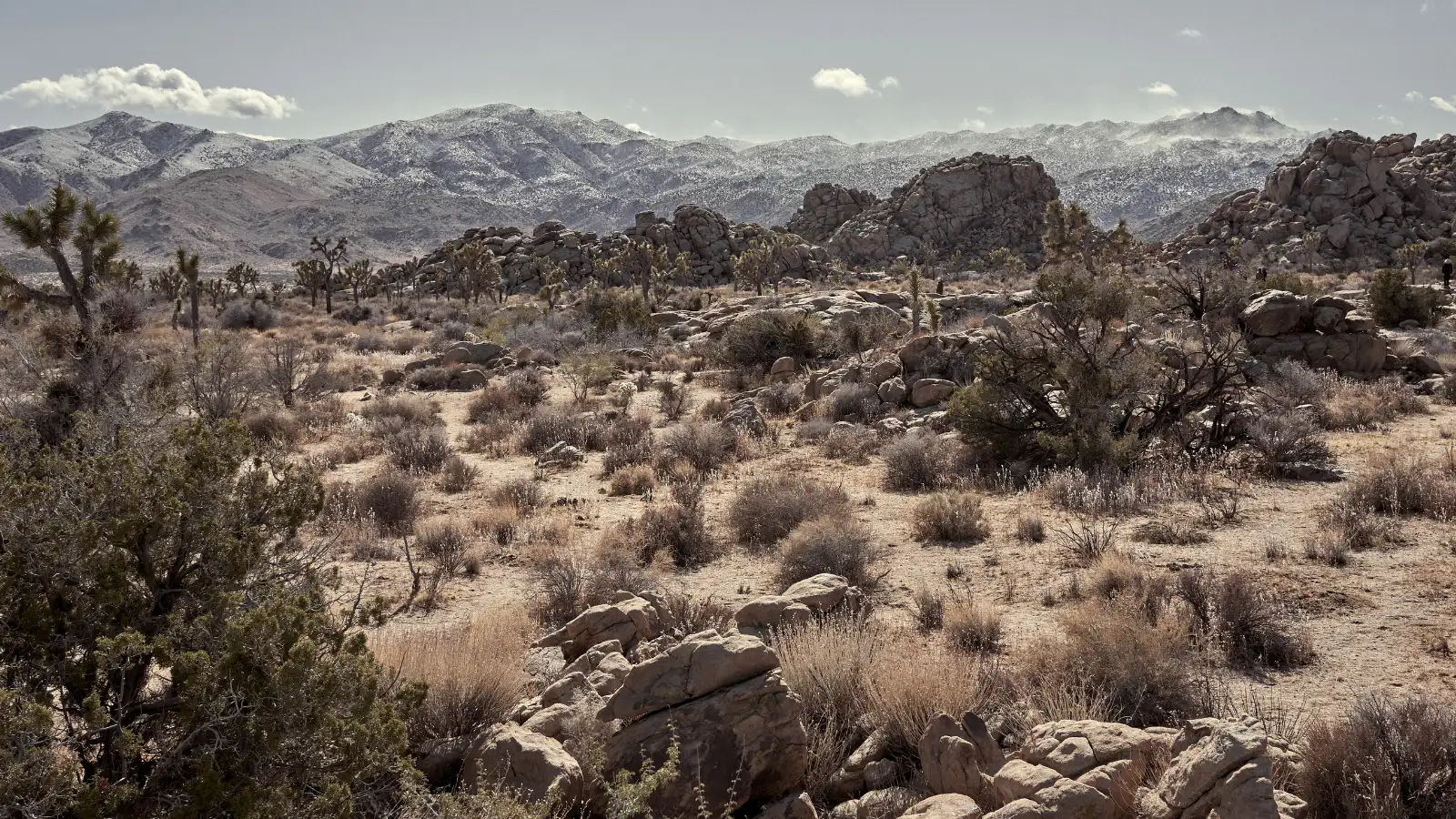
The Dallol hydrothermal field at its heart produces pools of neon green, yellow , and orange from dissolved minerals that hiss and bubble with fumarolic activity. Dead insects and birds can be found around the perimeter of the acid springs. Despite all of this, the Danakil has become one of Ethiopia's most sought-after travel experiences, drawing scientists , adventure tourists, and photographers from across the world. All visitors must hire armed guides, and solo travel is prohibited. Those who make the journey describe it as one of the most genuinely alien places they have ever seen.
Erta Ale Volcano, Ethiopia: The Gateway to Hell
Within the Danakil Depression sits Erta Ale, meaning Smoking Mountain in the local Afar language. It is Ethiopia's most active volcano and one of only a handful of places on Earth that contain a permanently active open lava lake. The crater rim has no guardrails, and visitors peer directly into the molten rock below amid toxic sulphuric fumes.The hike to the summit must be done in darkness to avoid the extreme daytime heat, with groups departing after sunset and descending in the early hours of the morning. The caldera has been called the Gateway to Hell by locals, and the lava spitting and splashing inside the pit gives the description immediate credibility.
In 2012, terrorists attacked a tourist group at the site , killing five people. Armed military escorts have accompanied all visitors since. Despite this history, tours continue to operate and consistently receive extraordinary reviews from those who complete them.
You may also like
- Watch: Boeing 777's near-miss — wing skims inches from runway during risky manoeuvre
- US eyes 2,000‑km air‑to‑air missile, poised to rewrite aerial warfare rules
- Chinese proverb of the day: 'A closed mouth avoids trouble, but a closed mind invites it' and a lesson in silence, curiosity and wisdom
- 'Kanishka bombing remains grim reminder of ignoring extremist threats'
- Dubai ruler Sheikh Hamdan approves three major Dubai projects including AI park, 8km Creek upgrade and Falcon market
Kawah Ijen, Indonesia: Blue Fire and Acid Lake
On the island of Java in East Indonesia, the Kawah Ijen volcanic crater contains one of the world's most surreal natural phenomena: an electric blue fire that burns at night from sulphuric gas igniting as it contacts the open air. The crater also holds the world's largest highly acidic volcanic crater lake, a turquoise body of water with a pH close to zero that can dissolve metal and is lethal to any organism that enters it. Sulphur miners have worked the crater for generations, carrying loads of up to 90 kilograms through clouds of toxic gas down the crater walls.
Visitors who wish to witness the blue fire must make the ascent in the hours before dawn, wearing gas masks that are available for hire at the trailhead. The combination of a glowing acid lake, blue flames , and human figures moving through sulphur clouds at 2 am has made Kawah Ijen one of the most photographed extreme landscapes on Earth.
Death Valley, California, USA: The Hottest Air Temperature Ever Recorded
Death Valley in the Mojave Desert holds the record for the highest reliably recorded air temperature on Earth: 56.7 degrees Celsius, measured at Furnace Creek in 1913. The valley floor sits approximately 86 metres below sea level and is surrounded by mountain ranges that trap heat with extraordinary efficiency. Summer ground temperatures have been measured at over 90 degrees Celsius, hot enough to fry an egg on the surface.The name itself came from pioneers in 1849 who lost members of their party crossing it during winter, imagining the carnage a summer crossing would bring. Despite all of this, Death Valley receives approximately one million visitors per year and is a designated national park. Its salt flats, sand dunes, volcanic craters, and geological formations draw photographers and desert enthusiasts who visit specifically for its extremity.
Yellowstone Supervolcano, Wyoming , USA: Beauty Sitting on a Catastrophe
Yellowstone National Park in Wyoming is one of the most visited natural attractions in North America. It is also a supervolcano whose magma chamber sits directly beneath the surface, making it one of the most geologically dangerous points on the planet. The park's famous geysers, including Old Faithful, and its prismatic hot springs, multicoloured by thermophilic bacteria, are direct products of the volcanic heat below.The Yellowstone supervolcano erupts on a cycle roughly every 600,000 years. The last eruption was approximately 640,000 years ago. A full eruption today would be a continent-altering event. Visitors walk across thin crusts of ground above thermal pools where the water temperature can approach boiling point, and warning signs throughout the park caution against leaving designated paths. Around four million people visit Yellowstone annually.






More from our partners


Loving Newspoint? Download the app now
