
How Okunoshima in Japan Became Known as Rabbit Island

Okunoshima sits in the Seto Inland Sea, a short ferry ride from the town of Tadanoumi in Hiroshima Prefecture. It covers less than a square kilometre, has a single hotel, a campsite, and a cycling path that loops the whole island in under an hour. What it also has, in every direction, is rabbits, on the beach, in the car park, along the forest trail, sitting in the road with no particular urgency to move.
A Island the Maps Once Left Blank
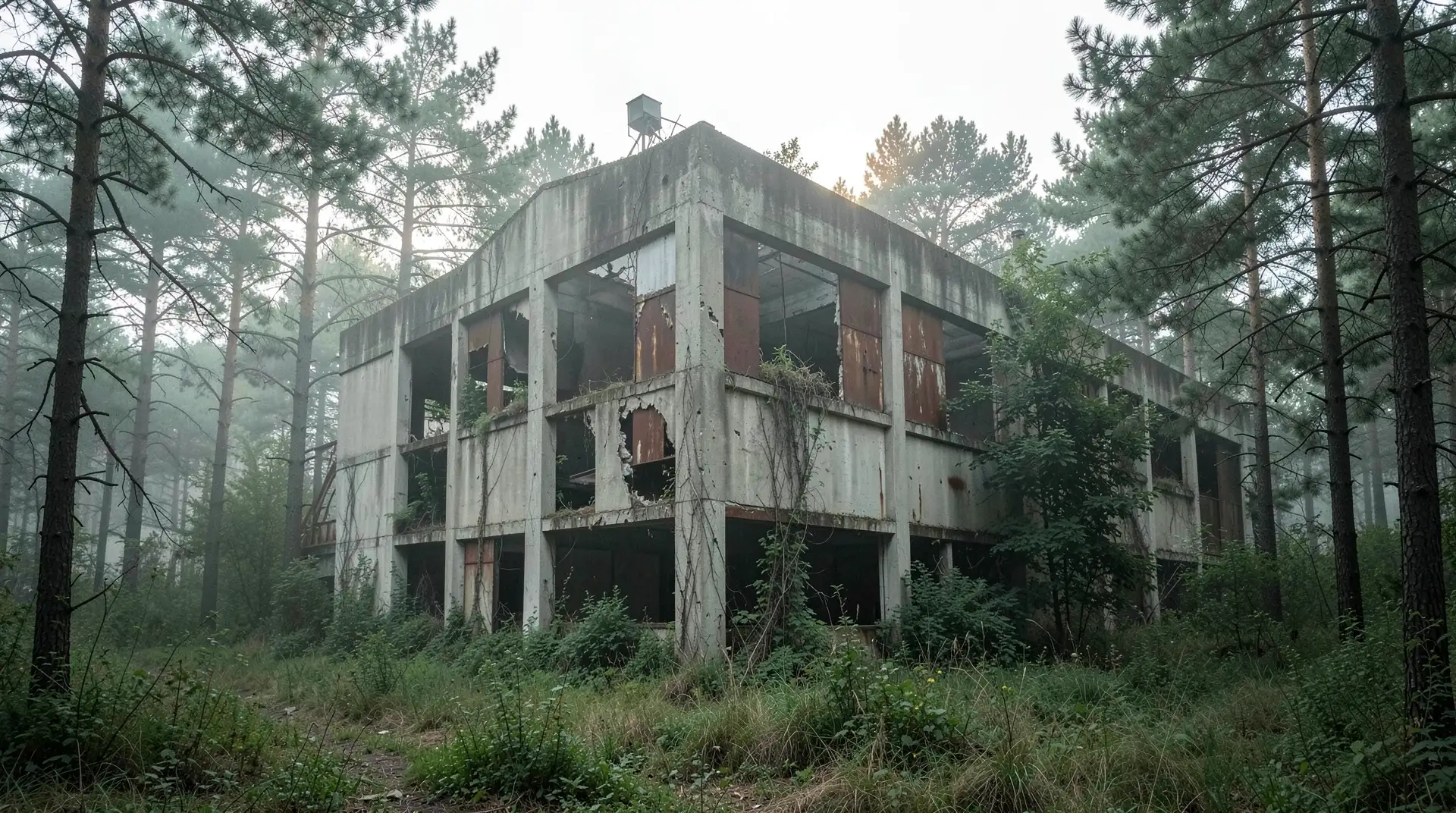
Between the early 1920s and the end of the Second World War, Okunoshima was the site of a Japanese Army poison gas factory. It produced mustard gas, phosgene, and other chemical agents used in conflict on the Asian mainland. The island was classified, removed from official maps, and the workers who lived and laboured there were sworn to secrecy. The Poison Gas Museum, still open on the island, documents this period through equipment, records, and the testimonies of former workers, many of whom developed serious respiratory illnesses in later life. The museum does not soften what was made here or what it was used for.Where the Rabbits Actually Came From
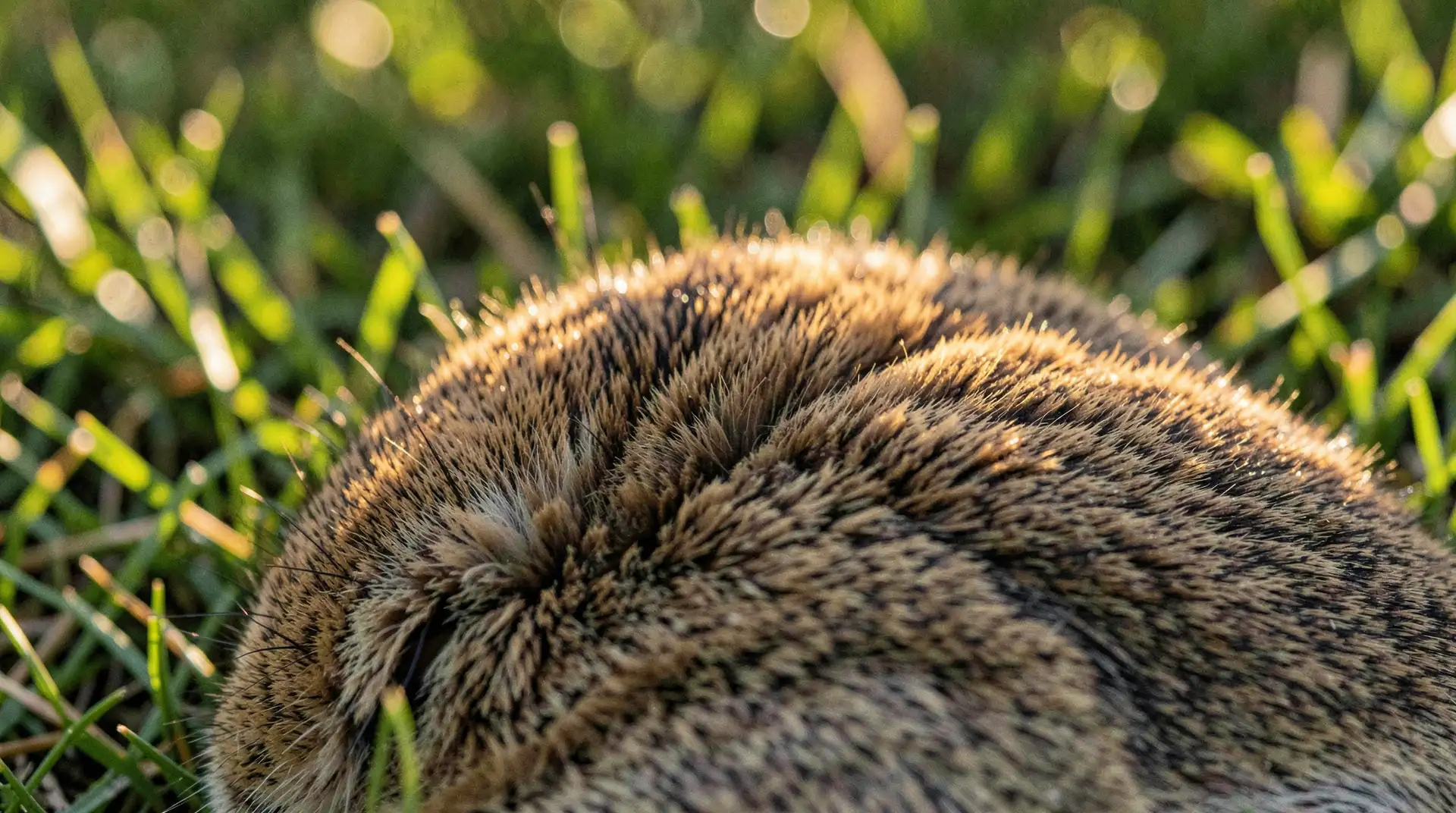
The most widely repeated story is that the rabbits are descended from a group of eight brought to the island by schoolchildren in 1971, after the factory had been decommissioned and the island opened as a resort. Those rabbits bred, and their descendants spread across the island over the following decades. A competing version holds that laboratory rabbits used during the wartime period were released when the factory closed, though historians and the island's own museum consider this unlikely, American forces overseeing the post-war cleanup almost certainly would not have left animals behind, and the timeline does not support a continuous population from the 1940s to the present. The 1971 school trip origin is better documented and more plausible. Whatever the precise starting point, the population grew because the island has no natural predators, dogs and cats are prohibited by local rules, and visitors feed the rabbits constantly.You may also like
- Arnold Schwarzenegger bought the M47 Patton tank he once drove during Austrian military service; the 46-tonne Cold War vehicle later became part of his Hollywood life and even featured in a Netflix stunt
- Putin's pet project hit: Why Ukraine's Crimean Bridge strike is a blow to Moscow
- A West Virginia woman lost data when a replacement laptop failed; after the company missed her lawsuit for 18 months, the state's top court left $15,507.92 in compensatory damages intact
- In 2005, Seattle began restoring neglected urban forests with volunteers; two decades later, 1.5 million native plants have been planted, and more than 2,000 acres are under restoration, earning a UN honour
- 'Transparency is key': Ex-White House press secretary Karoline Leavitt urges Trump team to address US tech outages
What the Island Feels Like Now
The rabbits are not tame in the way a pet is tame, but they have lost the instinct to flee. They approach people for food and will sit in laps if a visitor stays still long enough. The ferry from Tadanoumi takes about fifteen minutes, and rabbits are often visible on the dock before passengers disembark. The island's hotel serves guests who want to stay overnight, and the cycling path lets visitors cover the whole shoreline in a single morning. The contrast between the island's wartime past and its current atmosphere, unhurried, overrun with animals, quietly beautiful, is something the island does not try to resolve. The museum and the rabbits exist on the same small piece of land, and visitors move between them on the same afternoon.Why the Rabbits Stay Healthy
The population fluctuates with the seasons and with how much food visitors bring. Conservationists have periodically noted that a diet of tourist snacks, crackers, bread, dried pellets sold near the ferry terminal, is not nutritionally complete, and that the rabbits show signs of stress during busy periods when large crowds surround them. The island's management has introduced guidelines asking visitors to bring specific feed and to avoid chasing or cornering the animals. The rabbits' welfare depends directly on how visitors choose to behave, which makes Okunoshima an unusual case: a wildlife population that is genuinely wild but entirely dependent on human goodwill for its condition.What Draws People There
Okunoshima draws visitors from across Japan and from abroad for reasons that are hard to separate cleanly. Some come for the rabbits alone. Some come because the wartime history is part of Japan's story that is not widely known outside the country, and the museum offers a frank account of it. Some come because the island is simply beautiful, pine forest, calm sea, a hiking trail with views across the Inland Sea toward the mountains of Shikoku. The combination of a heavy past and a genuinely gentle present gives the island a quality that is difficult to describe and easy to remember. The rabbits did not erase what happened here. They just arrived, stayed, and multiplied, indifferent to history in the way animals always are.





Loving Newspoint? Download the app now
