What Is the Bundibugyo Ebola Virus? WHO Declares International Health Emergency Amid Rapid Spread

The World Health Organization (WHO) has declared a Public Health Emergency of International Concern after the rapid spread of the rare Bundibugyo Ebola virus across parts of the Democratic Republic of the Congo and Uganda. The situation has raised global concern as confirmed infections have now moved beyond remote border regions into densely populated urban centres, significantly increasing the risk of wider transmission. The WHO’s emergency designation, considered its highest level of international health alert, places the outbreak among the world’s most serious public health crises and has intensified efforts to contain the virus before it spreads further.
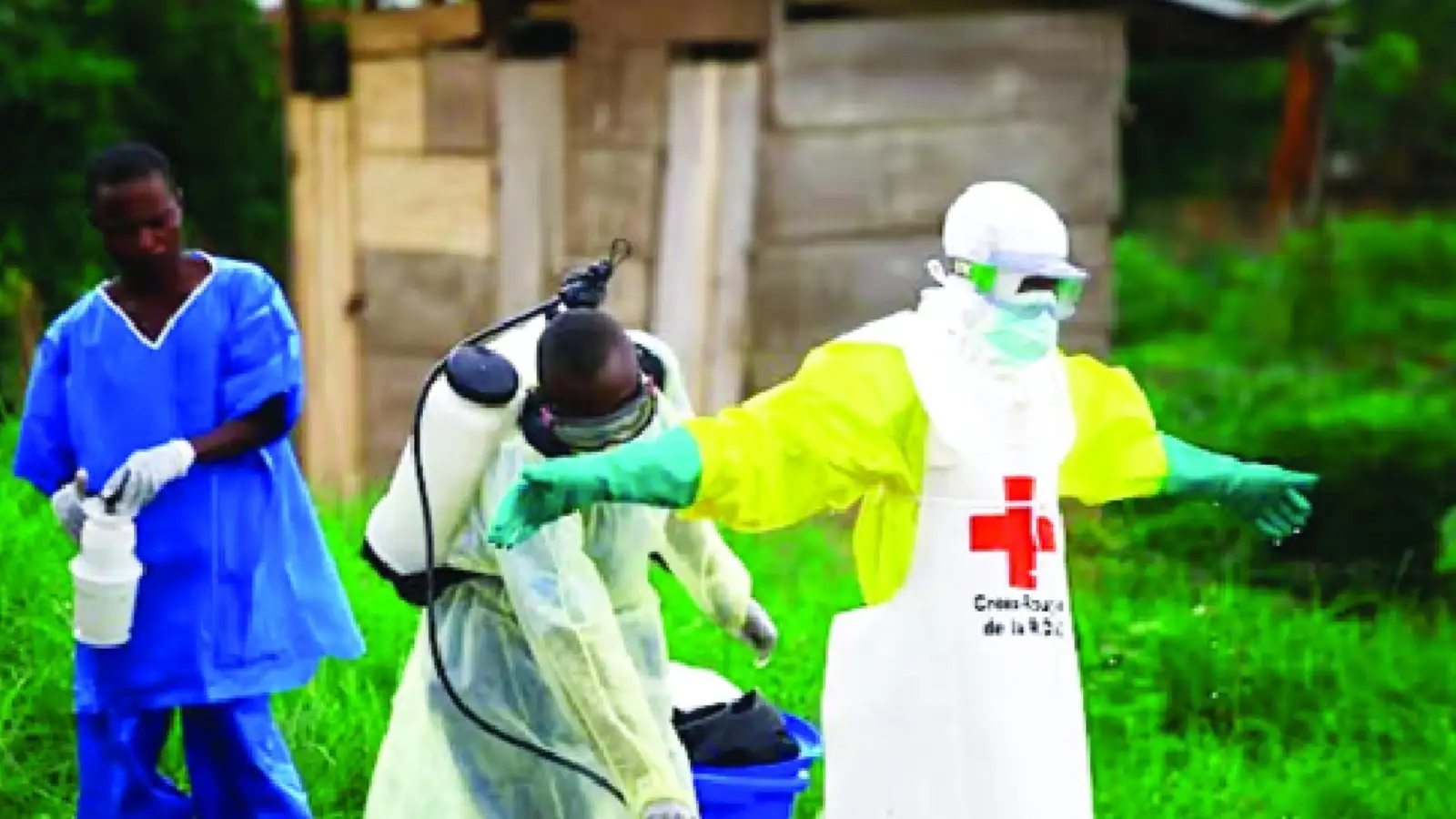
The global public health framework has been placed on high alert following an extraordinary administrative announcement from the World Health Organization (WHO). The international health body formally designated the accelerating viral surge across the Democratic Republic of the Congo and Uganda as a Public Health Emergency of International Concern. This designation represents the absolute highest level of institutional alarm, placing the current medical crisis in the same category as historic global health emergencies. The emergency committee convened swiftly after tracing data confirmed that the pathogen had successfully migrated from isolated provincial border communities into major, densely populated metropolitan capital cities.
What is causing deep concern among international epidemiologists is the specific genetic identity of the causative agent. Unlike previous highly publicised emergencies that involved the more common Zaire variant, the current crisis is driven entirely by the Bundibugyo strain. This distinction introduces severe operational complications for frontline medical teams.
While the international community holds a strategic stockpile of effective vaccines and targeted antibody therapies, these pharmaceutical tools were engineered exclusively to combat the Zaire strain, providing zero medical protection against the active Bundibugyo variant, meaning field responses must rely heavily on non-pharmaceutical interventions.
The Logistics of Urban Containment
The geographical footprint of the contagion has radically amplified the difficulty of traditional containment strategies. Initial clusters were heavily confined to the remote, gold-mining territories of Ituri Province in eastern Congo, where dense population movement is typically localized.
The global public health framework has been placed on high alert following an extraordinary administrative announcement from the World Health Organization (WHO). The international health body formally designated the accelerating viral surge across the Democratic Republic of the Congo and Uganda as a Public Health Emergency of International Concern. This designation represents the absolute highest level of institutional alarm, placing the current medical crisis in the same category as historic global health emergencies. The emergency committee convened swiftly after tracing data confirmed that the pathogen had successfully migrated from isolated provincial border communities into major, densely populated metropolitan capital cities.
The Threat of a Rare Pathogen
What is causing deep concern among international epidemiologists is the specific genetic identity of the causative agent. Unlike previous highly publicised emergencies that involved the more common Zaire variant, the current crisis is driven entirely by the Bundibugyo strain. This distinction introduces severe operational complications for frontline medical teams.
While the international community holds a strategic stockpile of effective vaccines and targeted antibody therapies, these pharmaceutical tools were engineered exclusively to combat the Zaire strain, providing zero medical protection against the active Bundibugyo variant, meaning field responses must rely heavily on non-pharmaceutical interventions.
The Logistics of Urban Containment
The geographical footprint of the contagion has radically amplified the difficulty of traditional containment strategies. Initial clusters were heavily confined to the remote, gold-mining territories of Ituri Province in eastern Congo, where dense population movement is typically localized.
Next Story