
India-US Trade Deal Explained: Tariffs, Key Demands, and Why the Agreement Is Delayed

Negotiations for a highly anticipated trade agreement between India and the United States have reached a temporary impasse. Despite optimistic statements from American officials that the deal is in its final stages, New Delhi is taking a cautious approach. Indian officials have made it clear that they will not rush into signing an agreement unless it delivers long-term benefits for the country's economy, local businesses, and agricultural sectors.
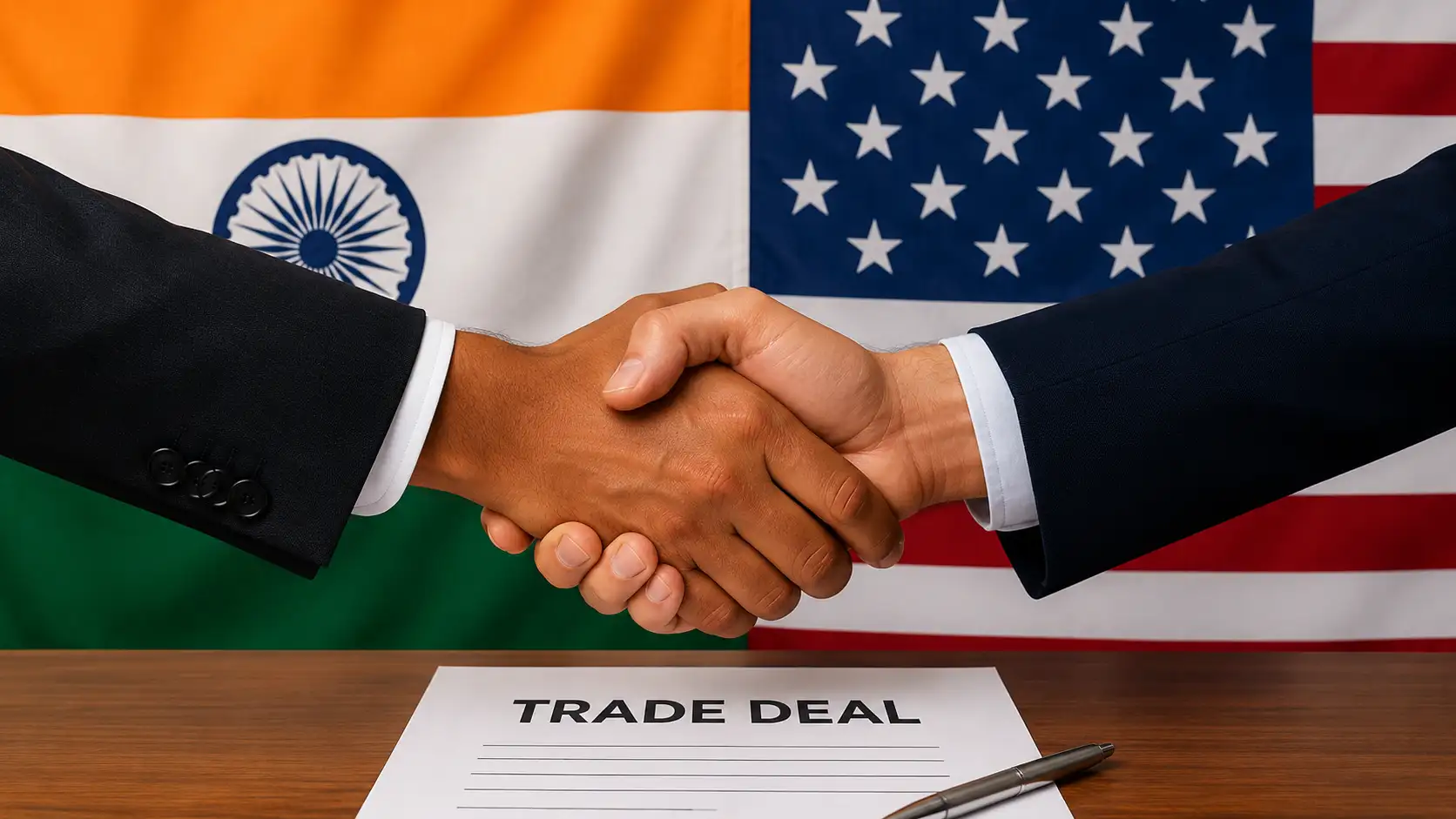
According to sources familiar with the negotiations, the primary sticking point is India's demand for clear guarantees. New Delhi wants a distinct tariff advantage over global competitors, particularly China. In addition, Indian negotiators want firm assurance from Washington that no new import tariffs or other trade levies will be imposed on Indian goods after the agreement comes into force.
Following the conclusion of the talks, Indian Trade Minister Piyush Goyal reiterated this firm stance. He stated that the trade deal would not be implemented unless India's economic interests were fully protected, signalling that New Delhi feels no immediate pressure to compromise on its core priorities.
Several global financial institutions have recently raised India’s economic growth forecast for 2026 to 6.8 per cent while lowering their projections for inflation and the current account deficit. In addition, a slightly weaker rupee has made Indian exports more competitive in global markets.
Furthermore, New Delhi is no longer heavily dependent on the US market. Over the past few years, India has successfully concluded comprehensive trade agreements with several major global partners, including Australia, the United Arab Emirates (UAE) and the European Free Trade Association (EFTA). This diversification has given India greater economic flexibility, allowing it to wait for Washington to offer more favourable terms.
Currently, the majority of Indian goods entering the US face a standard 10 per cent tariff. However, Washington has proposed raising these levies up to 12.5 per cent on several nations, including India. The US has raised concerns regarding excess capacity and alleged labour standards, claims which India has formally rejected as lacking sufficient evidence.
While US Ambassador to India Sergio Gor recently mentioned that the trade pact was "99 per cent complete" and driven by the positive personal dynamic between President Trump and Prime Minister Narendra Modi, the final one per cent is proving to be the hardest to bridge. The White House maintains that India must earn its preferential trade status by offering reciprocal concessions to American goods, especially in the agricultural sector.
For now, the message from New Delhi remains unequivocal: India values its strategic partnership with the United States, but it will not sacrifice the interests of its domestic industries and farmers just to cross the finish line quickly.
The Recent Roadblock
Expectations were high last month when US Trade Representative Jamieson Greer visited New Delhi. Both countries hoped to finalise a limited interim trade agreement that had been under discussion for nearly 18 months. However, the talks concluded without an agreement being signed.According to sources familiar with the negotiations, the primary sticking point is India's demand for clear guarantees. New Delhi wants a distinct tariff advantage over global competitors, particularly China. In addition, Indian negotiators want firm assurance from Washington that no new import tariffs or other trade levies will be imposed on Indian goods after the agreement comes into force.
Following the conclusion of the talks, Indian Trade Minister Piyush Goyal reiterated this firm stance. He stated that the trade deal would not be implemented unless India's economic interests were fully protected, signalling that New Delhi feels no immediate pressure to compromise on its core priorities.
Growing Economic Confidence
India’s refusal to back down stems from its robust domestic economy and recent diplomatic successes. The country's economic indicators have shown remarkable resilience, giving its negotiators significant leverage at the bargaining table.You may also like
- Trump boasts America's air power as US launches fresh strikes on Iran
- 'Self-immolation, squatter evictions': Why Nepal's Gen Z protesters are back on the streets
- In 1883, Hawaii introduced mongooses to control rats in sugarcane fields. They soon became a far bigger threat to native wildlife
- India, Japan discuss defence cooperation, regional situation
- Australian govt to roll out digital passenger cards for all arrivals
Several global financial institutions have recently raised India’s economic growth forecast for 2026 to 6.8 per cent while lowering their projections for inflation and the current account deficit. In addition, a slightly weaker rupee has made Indian exports more competitive in global markets.
Furthermore, New Delhi is no longer heavily dependent on the US market. Over the past few years, India has successfully concluded comprehensive trade agreements with several major global partners, including Australia, the United Arab Emirates (UAE) and the European Free Trade Association (EFTA). This diversification has given India greater economic flexibility, allowing it to wait for Washington to offer more favourable terms.
The Threat of Impending Tariffs
This patience comes at a time when the US administration, led by President Donald Trump, is aggressively pursuing an "America First" trade agenda. Washington is preparing to introduce a series of steeper global tariffs later this month, driven by investigations into excess industrial capacity worldwide.Currently, the majority of Indian goods entering the US face a standard 10 per cent tariff. However, Washington has proposed raising these levies up to 12.5 per cent on several nations, including India. The US has raised concerns regarding excess capacity and alleged labour standards, claims which India has formally rejected as lacking sufficient evidence.
While US Ambassador to India Sergio Gor recently mentioned that the trade pact was "99 per cent complete" and driven by the positive personal dynamic between President Trump and Prime Minister Narendra Modi, the final one per cent is proving to be the hardest to bridge. The White House maintains that India must earn its preferential trade status by offering reciprocal concessions to American goods, especially in the agricultural sector.
What Lies Ahead?
For businesses and global investors, the continued delay creates a sense of uncertainty. Exporters in key Indian sectors-such as textiles, auto parts, engineering products, and organic chemicals are watching the developments closely, as a formal breakthrough could dramatically lower their operational costs.For now, the message from New Delhi remains unequivocal: India values its strategic partnership with the United States, but it will not sacrifice the interests of its domestic industries and farmers just to cross the finish line quickly.






Loving Newspoint? Download the app now
