
Indian Sailor Killed as Iranian Cruise Missiles Strike UAE Tankers in Strait of Hormuz

A major military escalation in the Middle East has resulted in the tragic death of an Indian seafarer after Iranian forces launched cruise missiles at two United Arab Emirates oil tankers. The strike, which took place in the strategic Strait of Hormuz, has dramatically heightened regional tensions, raising fears of a wider maritime war that could cripple global energy markets.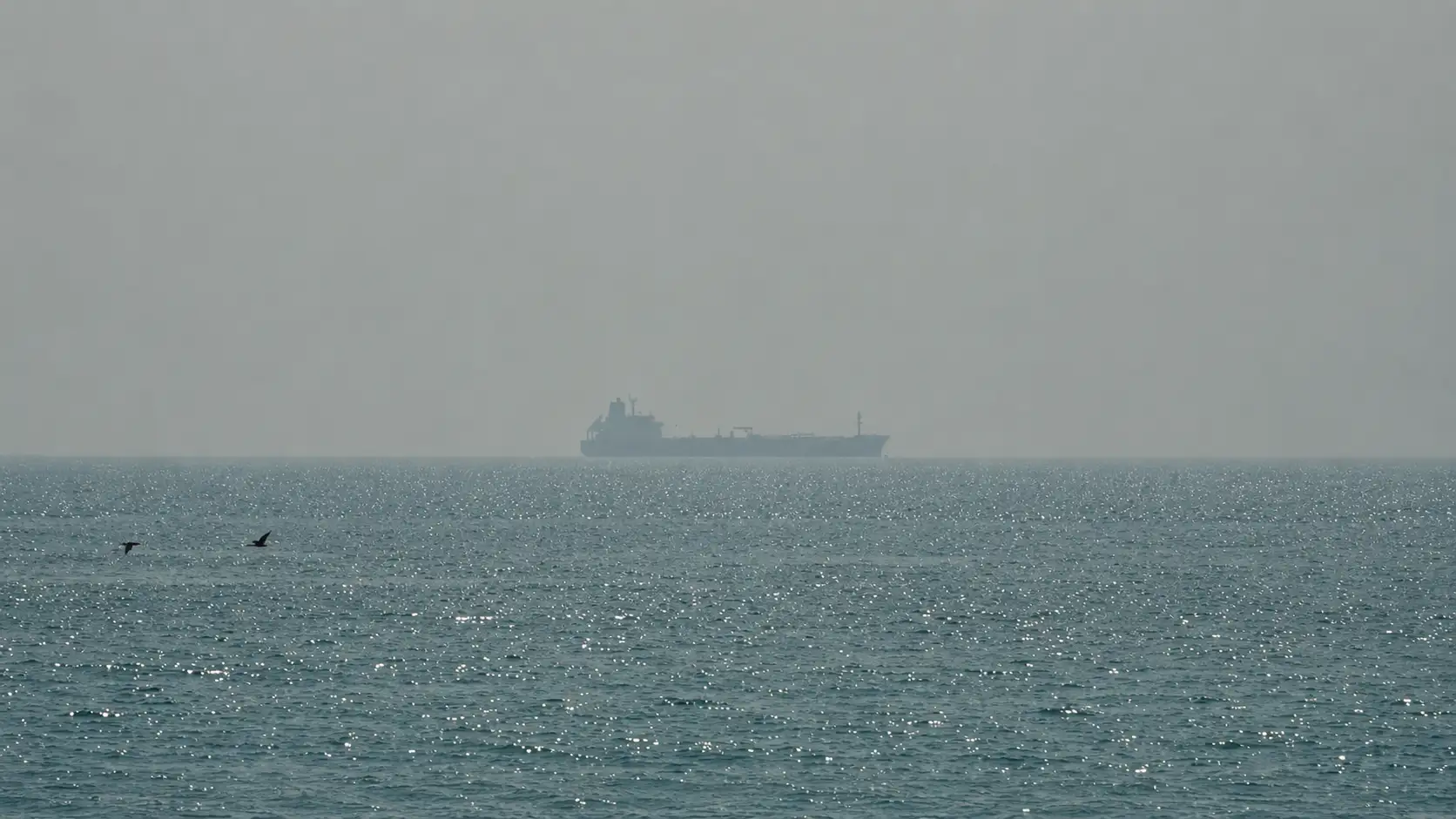
The United Arab Emirates Ministry of Defence confirmed on Tuesday, 14 July 2026, that its national commercial tankers, the Mombasa and the Al Bahiyah, were targeted whilst transiting the southern shipping lane of the strait. Crucially, the UAE authorities noted that the unprovoked attack took place within Omani territorial waters, representing a direct breach of international sovereignty.
Despite the initial chaos and heavy material damage sustained by the vessels, emergency containment teams and the ship crews managed to bring the raging onboard fires under control, preventing what could have been a catastrophic environmental disaster in the heavily travelled shipping corridor.
Condemning the incident in the strongest possible terms, the UAE Ministry of Foreign Affairs described the assault as an act of piracy and a grave violation of international maritime laws.
"The UAE reserves its full right to respond to this escalation and to take all necessary measures to protect its territory, its citizens, and its residents," the defence ministry said in a formal statement, adding that national military forces remain on the "highest level of readiness."
This latest flare-up comes directly on the heels of a massive geopolitical standoff between Washington and Tehran. Earlier this week, US President Donald Trump announced the reinstatement of a naval blockade targeting Iranian shipping in the Gulf, whilst declaring that other international vessels would have to pay a fee to guarantee safe passage. In response to the blockade, the US military carried out three consecutive nights of heavy airstrikes against some 140 military positions across Iran.
Tehran’s retaliation was swift. Alongside the missile strikes on the UAE tankers, Iranian forces targeted regional infrastructure, forcing sirens to blare across Gulf states, including near the US Navy’s Fifth Fleet headquarters at the Juffair base in Bahrain.
The Indian government has expressed deep concern over the safety of its citizens working in the merchant navy within the region. With millions of barrels of oil and thousands of international seafarers transiting the Gulf daily, the international community is now facing intense pressure to de-escalate the standoff before the vital trade route is completely shut down.
The United Arab Emirates Ministry of Defence confirmed on Tuesday, 14 July 2026, that its national commercial tankers, the Mombasa and the Al Bahiyah, were targeted whilst transiting the southern shipping lane of the strait. Crucially, the UAE authorities noted that the unprovoked attack took place within Omani territorial waters, representing a direct breach of international sovereignty.
Deadly Strike on Commercial Shipping
The strikes struck both vessels, causing immediate explosions and sparking severe fires. The fatal casualty, an unnamed Indian crew member, was stationed aboard the Mombasa when the missile struck. In addition to the fatality, eight other crew members sustained injuries, with four reported to be in a serious condition. UAE officials confirmed that the injured sailors comprise six Indian nationals and two Ukrainians.Despite the initial chaos and heavy material damage sustained by the vessels, emergency containment teams and the ship crews managed to bring the raging onboard fires under control, preventing what could have been a catastrophic environmental disaster in the heavily travelled shipping corridor.
Condemning the incident in the strongest possible terms, the UAE Ministry of Foreign Affairs described the assault as an act of piracy and a grave violation of international maritime laws.
You may also like
- Have been long-standing partner of Palestine: India reaffirms continued support to two state solution
- Prince William not keen on mending relationship with brother Harry
- Deeply disappointed: 'Melbourne Meets Modi' organisers on 'paid crowd' claims of Rahul, Kharge; seek apology
- 'Second in a week': Protests erupt after ICE agent fatally shoots Colombian man in US
- India summons Iranian diplomats after strike kills Indian sailor in Hormuz waters
"The UAE reserves its full right to respond to this escalation and to take all necessary measures to protect its territory, its citizens, and its residents," the defence ministry said in a formal statement, adding that national military forces remain on the "highest level of readiness."
A Chokepoint Under Siege
The Islamic Revolutionary Guard Corps (IRGC) of Iran later claimed responsibility for targeting the vessels. In a state-media broadcast, Iranian military officials asserted that they had disabled two "offending" supertankers that had supposedly ignored warning signals, switched off their transponders, and navigated through a restricted, mined route. The IRGC went on to issue a stern warning to international shipping firms, stating that cooperation with Western powers would only result in "regret and damage."This latest flare-up comes directly on the heels of a massive geopolitical standoff between Washington and Tehran. Earlier this week, US President Donald Trump announced the reinstatement of a naval blockade targeting Iranian shipping in the Gulf, whilst declaring that other international vessels would have to pay a fee to guarantee safe passage. In response to the blockade, the US military carried out three consecutive nights of heavy airstrikes against some 140 military positions across Iran.
Tehran’s retaliation was swift. Alongside the missile strikes on the UAE tankers, Iranian forces targeted regional infrastructure, forcing sirens to blare across Gulf states, including near the US Navy’s Fifth Fleet headquarters at the Juffair base in Bahrain.
Global Energy and Safety Concerns
The Strait of Hormuz is widely regarded as the world’s most critical maritime chokepoint, with approximately one-fifth of the globe’s daily oil and gas consumption passing through its narrow lanes. Industry experts warn that continued hostilities will inevitably drive up global oil prices and insurance premiums for commercial vessels.The Indian government has expressed deep concern over the safety of its citizens working in the merchant navy within the region. With millions of barrels of oil and thousands of international seafarers transiting the Gulf daily, the international community is now facing intense pressure to de-escalate the standoff before the vital trade route is completely shut down.






Loving Newspoint? Download the app now
