
Melody for Meloni: How a Simple Indian Toffee Earned Its Famous Tagline in 1983

For anyone who grew up in India during the 1990s and early 2000s, certain advertisements are permanently etched into memory. Among them, none sparked more genuine curiosity on school playgrounds than a trainer asking his soldiers a simple, perplexing question about a Re 1 sweet. Decades later, that very same nostalgic confectionery has unexpectedly taken centre stage in international diplomacy.
Following a light-hearted video exchange where Prime Minister Narendra Modi gifted a packet to Italian Prime Minister Giorgia Meloni, the internet has experienced a massive wave of nostalgia. This viral moment, dubbed Melody for Meloni : the story behind the iconic tagline of India's toffee, highlights how a clever advertising campaign transformed a humble sweet into a timeless national treasure.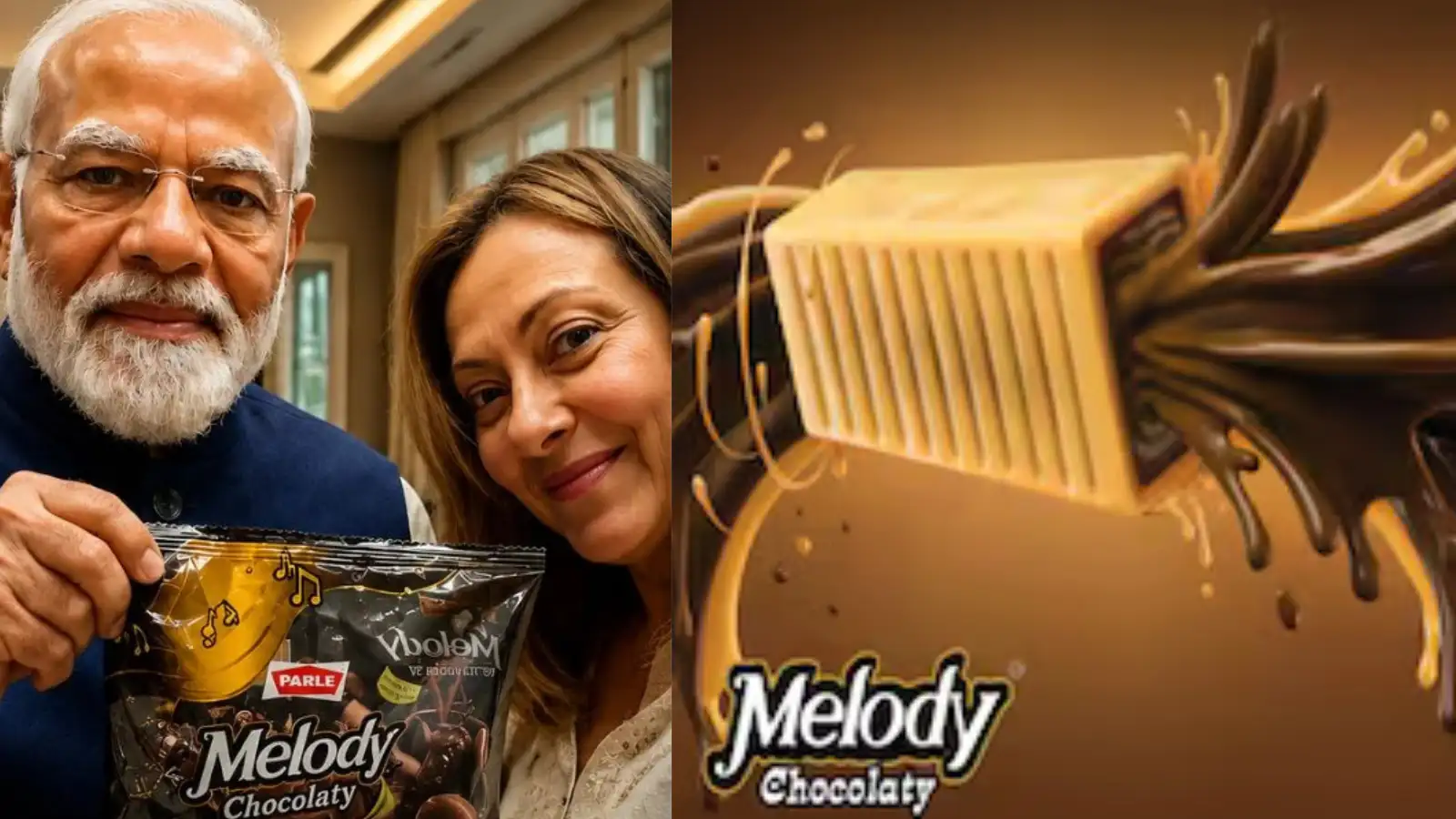
The viral phenomenon began on Instagram when Prime Ministers Modi and Meloni shared a joyful video clip during a bilateral meeting. Holding up a familiar colourful packet, Meloni smiled and remarked, "Prime Minister Modi brought us a gift a very, very good toffee." Modi promptly chimed in with the name "Melody," causing both leaders to burst into laughter.
The digital impact of this brief exchange was immediate and massive. On quick-commerce platforms like Blinkit, Instamart, and Zepto, stock vanished within hours as consumers rushed to experience a taste of their childhood. The hype even caused a temporary mix-up on the stock market; shares of Parle Industries jumped by 5% before eager investors realised the candy is actually manufactured by Parle Products , the unlisted FMCG giant behind household staples like Parle-G, Monaco, and Hide & Seek.
To understand the enduring magic of the brand, one must travel back to 1983 when the original campaign was first conceptualised by copywriter Sulekha Bajpai at Everest Advertising. The original catchphrase was slightly different from the version we know today: "Melody itni chocolatey kaise bani? Melody khao, khud jaan jao" (How did Melody become so chocolatey? Eat it and find out for yourself).
This approach is celebrated in marketing history as a classic example of curiosity-driven copywriting. One of the earliest television commercials featured a stern military trainer quizzing his platoon. When a young soldier confidently replied with the punchline, a marketing hallmark was born. By the 1990s, the phrasing was refined to the sleeker, more inquisitive question: "Melody itni chocolatey kyun hai?" (Why is Melody so chocolatey?). The line perfectly captured the imagination of children across the country, driving them to buy the sweet simply to discover the secret for themselves.
Beyond the sheer genius of the advertising copy, Parle executed a brilliant product design strategy. In the late 20th century, the Indian confectionery market was largely divided between cheap, hard-boiled sugar candies and relatively expensive, premium chocolate bars. Melody successfully carved out an entirely new sub-category that offered an affordable luxury experience.
The candy featured a unique two-part construction: a firm, cooked liquid caramel outer shell that encased a soft, velvety cocoa and milk-solid centre. When bitten into, the rich core immediately hit the palate, offering consumers a genuinely chocolatey experience for a fraction of the cost of a full chocolate bar. By successfully targeting roadside vendors and small-town shops, it became the definitive treat for school birthdays and casual rewards, cementing its place as a legendary pop-culture icon that now enjoys global recognition.
Following a light-hearted video exchange where Prime Minister Narendra Modi gifted a packet to Italian Prime Minister Giorgia Meloni, the internet has experienced a massive wave of nostalgia. This viral moment, dubbed Melody for Meloni : the story behind the iconic tagline of India's toffee, highlights how a clever advertising campaign transformed a humble sweet into a timeless national treasure.
A Diplomatic Sweetener and Market Frenzy
The viral phenomenon began on Instagram when Prime Ministers Modi and Meloni shared a joyful video clip during a bilateral meeting. Holding up a familiar colourful packet, Meloni smiled and remarked, "Prime Minister Modi brought us a gift a very, very good toffee." Modi promptly chimed in with the name "Melody," causing both leaders to burst into laughter.
The digital impact of this brief exchange was immediate and massive. On quick-commerce platforms like Blinkit, Instamart, and Zepto, stock vanished within hours as consumers rushed to experience a taste of their childhood. The hype even caused a temporary mix-up on the stock market; shares of Parle Industries jumped by 5% before eager investors realised the candy is actually manufactured by Parle Products , the unlisted FMCG giant behind household staples like Parle-G, Monaco, and Hide & Seek.
The Birth of a Curiosity Hook
To understand the enduring magic of the brand, one must travel back to 1983 when the original campaign was first conceptualised by copywriter Sulekha Bajpai at Everest Advertising. The original catchphrase was slightly different from the version we know today: "Melody itni chocolatey kaise bani? Melody khao, khud jaan jao" (How did Melody become so chocolatey? Eat it and find out for yourself).
This approach is celebrated in marketing history as a classic example of curiosity-driven copywriting. One of the earliest television commercials featured a stern military trainer quizzing his platoon. When a young soldier confidently replied with the punchline, a marketing hallmark was born. By the 1990s, the phrasing was refined to the sleeker, more inquisitive question: "Melody itni chocolatey kyun hai?" (Why is Melody so chocolatey?). The line perfectly captured the imagination of children across the country, driving them to buy the sweet simply to discover the secret for themselves.
Bridging the Gap in the Sweet Market
Beyond the sheer genius of the advertising copy, Parle executed a brilliant product design strategy. In the late 20th century, the Indian confectionery market was largely divided between cheap, hard-boiled sugar candies and relatively expensive, premium chocolate bars. Melody successfully carved out an entirely new sub-category that offered an affordable luxury experience.
The candy featured a unique two-part construction: a firm, cooked liquid caramel outer shell that encased a soft, velvety cocoa and milk-solid centre. When bitten into, the rich core immediately hit the palate, offering consumers a genuinely chocolatey experience for a fraction of the cost of a full chocolate bar. By successfully targeting roadside vendors and small-town shops, it became the definitive treat for school birthdays and casual rewards, cementing its place as a legendary pop-culture icon that now enjoys global recognition.
Next Story