
PoK Elections 2026: Violence, Boycott Calls and Rigging Allegations Raise Questions Over Poll Credibility

The commencement of the multi-phase legislative assembly elections in Pakistan-occupied Kashmir (PoK) has been marred by widespread reports of electoral violence , administrative irregularities, and grave accusations of poll rigging. As polling stations opened across the Mirpur division for the initial voting stage, chaotic scenes, physical altercations, and allegations of ballot box tampering cast a heavy shadow over the credibility of the political exercise.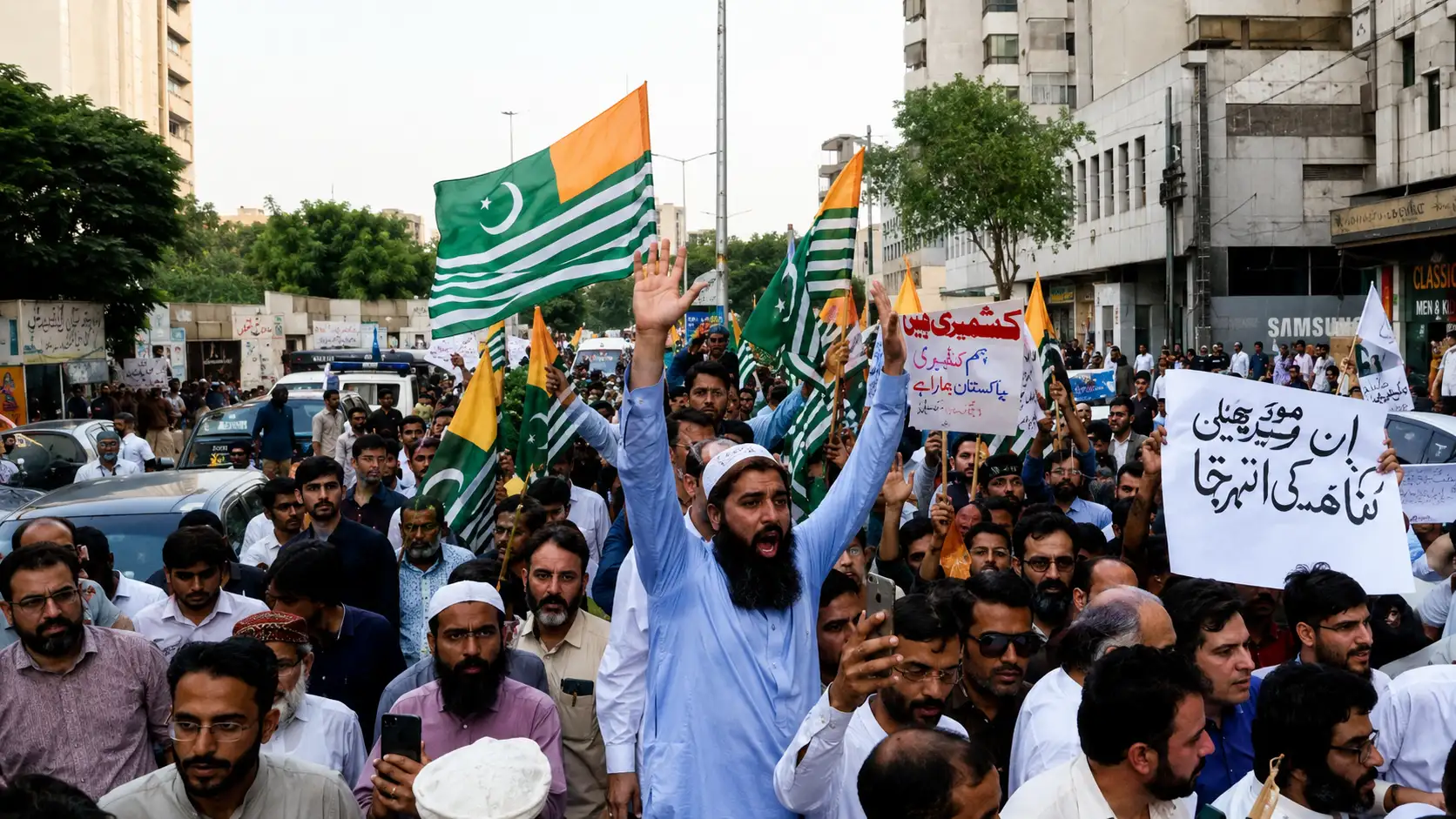
The election, which is being conducted in three distinct phases to elect representatives for the regional legislative body, was initially presented by regional authorities as a democratic step forward. However, ground reality during phase one revealed severe security lapses and growing dissatisfaction among local voters and political organisations.
Political groups claimed that unidentified individuals forcibly entered several voting stations, seized ballot boxes, and stuffed stamped papers into urns. In several locations, physical confrontations broke out between political supporters and security personnel, resulting in injuries, damaged polling equipment, and temporary suspensions of voting activity. Local residents expressed intense frustration, alleging that law enforcement agencies stationed at the centers failed to maintain order or act neutrally.
A major point of contention surrounding the electoral structure is the reservation of 12 legislative seats for refugees residing in various cities across Pakistan. Protesters and local political groups argue that these seats are routinely manipulated by the federal government in Islamabad to artificially sway assembly majorities and determine local governance outcomes, effectively undermining the democratic rights of residents living in PoK. Due to these structural grievances, several activist groups called for an explicit boycott of the polls, contributing to a muted turnout in certain districts alongside heightened public anger.
With subsequent voting phases scheduled for the Muzaffarabad and Poonch divisions in the coming weeks, opposition leaders and human rights advocates continue to demand impartial inquiries into the irregularities reported in phase one. As accusations of military oversight and state-sponsored rigging grow louder, the legitimacy of the entire legislative process remains under intense global and domestic scrutiny.
The election, which is being conducted in three distinct phases to elect representatives for the regional legislative body, was initially presented by regional authorities as a democratic step forward. However, ground reality during phase one revealed severe security lapses and growing dissatisfaction among local voters and political organisations.
Reports of Clashes and Ballot Snatching
Multiple electoral districts, most notably in the Kotli district within the Mirpur division witnessed violent disruptions between rival political workers and law enforcement. Opposing political factions, including candidates from prominent regional and national parties like the Pakistan Peoples Party (PPP), raised alarms after polling booths were allegedly targeted.You may also like
- PoK elections turn violent, leaving 19 dead amid rigging allegations
- 'Not getting into back-and-forth': Mamdani shrugs off Netanyahu's 'hate' charge as Israeli PM heads to White House
- Paris: Man stabs 3 women, 2 critically injured
- Two Ohio YouTubers behind Creek Kings Outdoors sentenced to jail after pleading guilty to 40 deer poaching charges, fined more than $37,000 and banned from hunting for five years
- A400M vs C-130J vs C-390: India's hunt for a new military transport aircraft enters next stage
Political groups claimed that unidentified individuals forcibly entered several voting stations, seized ballot boxes, and stuffed stamped papers into urns. In several locations, physical confrontations broke out between political supporters and security personnel, resulting in injuries, damaged polling equipment, and temporary suspensions of voting activity. Local residents expressed intense frustration, alleging that law enforcement agencies stationed at the centers failed to maintain order or act neutrally.
Rising Political Tensions and Boycott Calls
The ongoing elections are taking place against a backdrop of prolonged civil unrest and anti-establishment protests that have gripped the region for months. Civil society organisations, led prominently by the Joint Awami Action Committee (JAAC), have continuously protested against regional administrative neglect, rising living costs, and heavy-handed governance.A major point of contention surrounding the electoral structure is the reservation of 12 legislative seats for refugees residing in various cities across Pakistan. Protesters and local political groups argue that these seats are routinely manipulated by the federal government in Islamabad to artificially sway assembly majorities and determine local governance outcomes, effectively undermining the democratic rights of residents living in PoK. Due to these structural grievances, several activist groups called for an explicit boycott of the polls, contributing to a muted turnout in certain districts alongside heightened public anger.
Heavy Security Presence and Postponements
To keep a firm grip on the electoral process, thousands of additional armed police personnel were deployed from Pakistan’s Punjab province to secure polling venues. Despite the heavy deployment of riot control forces, security agencies struggled to contain volatile crowds in contested pockets. The unrest proved so intense in regions like Rawalakot and Sudhnoti that election officials were forced to postpone voting in those areas, deferring polls to a later phase.With subsequent voting phases scheduled for the Muzaffarabad and Poonch divisions in the coming weeks, opposition leaders and human rights advocates continue to demand impartial inquiries into the irregularities reported in phase one. As accusations of military oversight and state-sponsored rigging grow louder, the legitimacy of the entire legislative process remains under intense global and domestic scrutiny.






Loving Newspoint? Download the app now
