
How English Borrowed Shampoo, Pyjama and Bungalow from India

English is often described as a borrowing language, and no single source gave it more words than the Indian subcontinent. Soldiers, traders, administrators, and travellers carried sounds home in their notebooks and their mouths, and those sounds stuck. Some arrived polished and close to their origins. Others were bent almost past recognition. All of them say something about who met whom, and what they needed a word for.
Shampoo: From a Massage to a Bottle
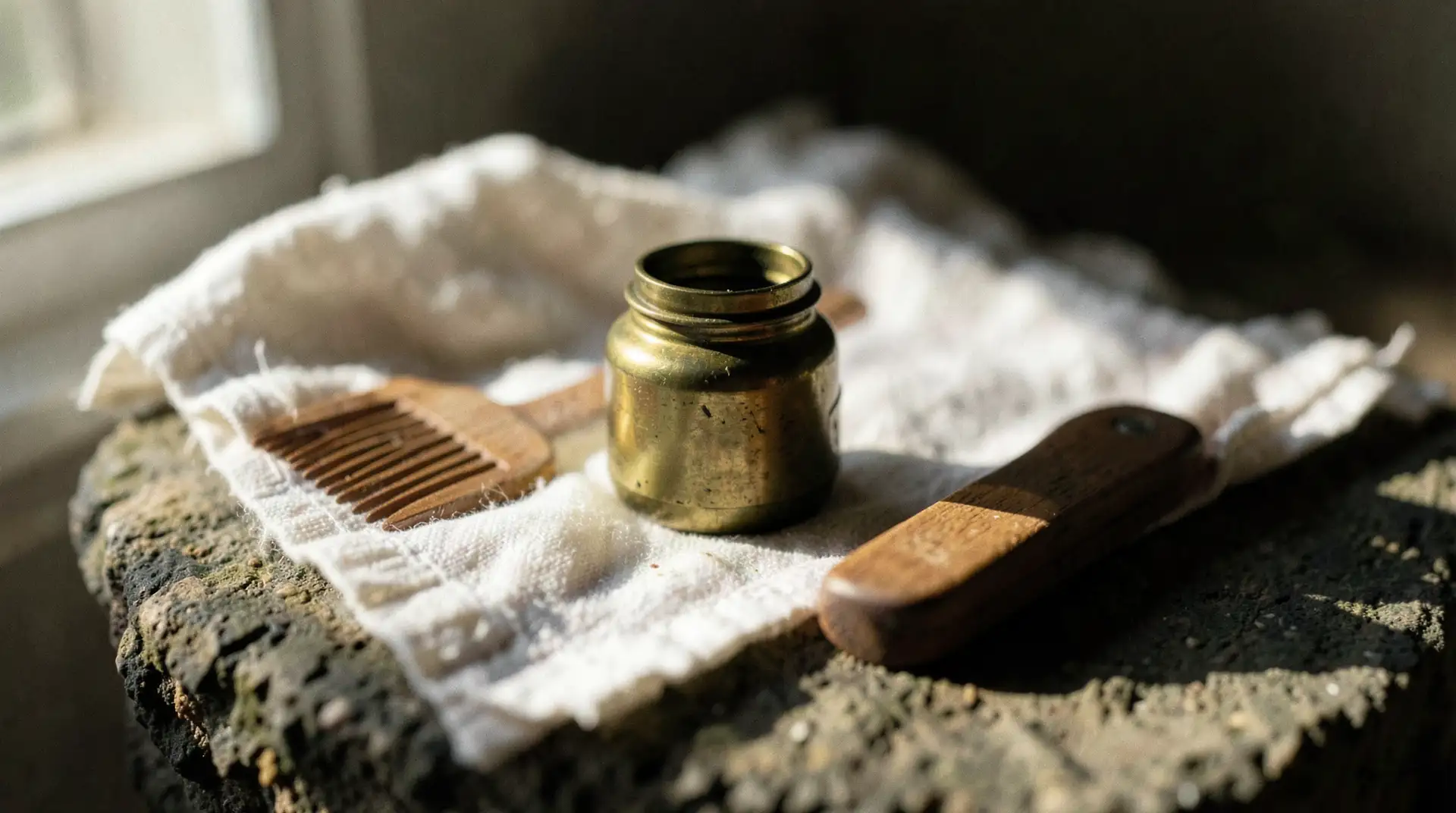
The Hindi word champi means a head massage, pressing and kneading the scalp with oil. It comes from the Sanskrit root chapayati, to press. British soldiers and merchants in eighteenth-century India encountered the practice and brought the word home as shampoo, first meaning the act of massaging, then the hot bath that followed, and only later the liquid soap that washes hair. The first recorded English use, in the 1760s, describes a steam bath and a rubdown, nothing like the bottle on a bathroom shelf today. The word travelled further than the practice it named.Pyjama: Clothing That Crossed Continents
The Persian word payjama means leg garment, pay for leg, jama for clothing. The garment itself, loose trousers tied at the waist, was worn across the Mughal court and through much of the subcontinent. When the British in India adopted it for sleeping and lounging, they carried the word back to Britain, where it eventually became pyjamas and came to mean the full two-piece sleeping suit that bears almost no resemblance to the original flowing trousers. The word is one of the cleaner borrowings: the sound changed only slightly, and the garment changed gradually.You may also like
- Arnold Schwarzenegger bought the M47 Patton tank he once drove during Austrian military service; the 46-tonne Cold War vehicle later became part of his Hollywood life and even featured in a Netflix stunt
- Putin's pet project hit: Why Ukraine's Crimean Bridge strike is a blow to Moscow
- A West Virginia woman lost data when a replacement laptop failed; after the company missed her lawsuit for 18 months, the state's top court left $15,507.92 in compensatory damages intact
- In 2005, Seattle began restoring neglected urban forests with volunteers; two decades later, 1.5 million native plants have been planted, and more than 2,000 acres are under restoration, earning a UN honour
- 'Transparency is key': Ex-White House press secretary Karoline Leavitt urges Trump team to address US tech outages
Bungalow: A House That Named a Style
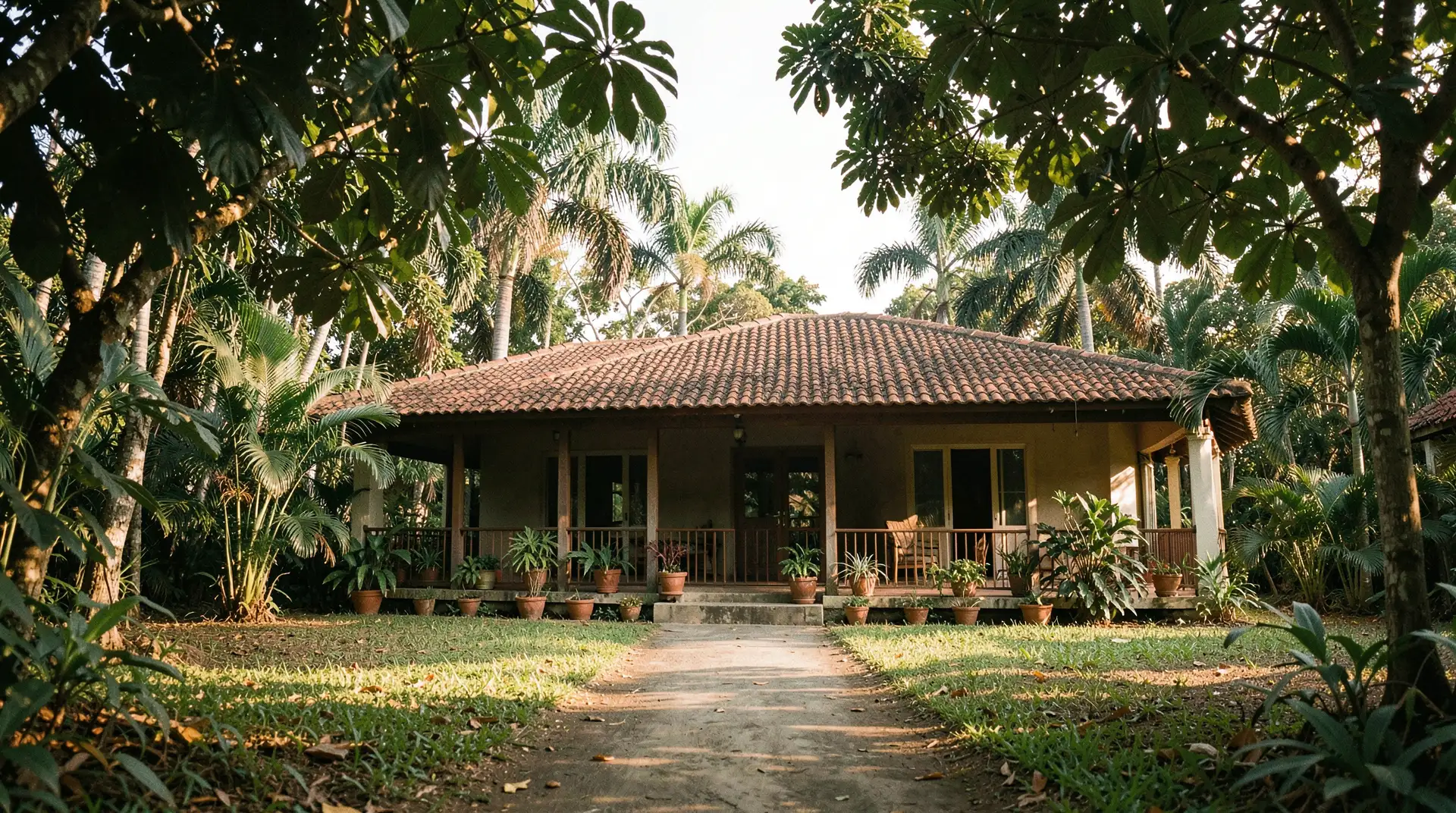
Bangla in Hindi means of Bengal, and the low, single-storey houses with wide verandas that colonial administrators built across India were modelled on the thatched rural homes of Bengal. The British called them bungalows, from the Hindustani bangla. The word left India and travelled to Britain and then to America, where it became the name for a particular style of small, low house, still single-storey, still with a porch, that has nothing to do with Bengal and everything to do with a word that was easier to say than to explain.Jungle, Loot, and the Words of Encounter
Jungle comes from the Sanskrit jangala, meaning rough or arid land, which in Hindi became jangal, meaning wild or uncultivated ground. The British used it for any dense forest, and that meaning spread globally. Loot comes directly from the Hindi lut, meaning plunder, which itself traces to the Sanskrit lunt. It entered English through soldiers who had seen, and participated in, the sacking of cities and the emptying of treasuries. The word arrived already carrying its moral weight. Thug comes from the Hindi thag, meaning cheat or swindler, which gave English a word for a violent criminal. Avatar, now used for a digital profile picture, comes from the Sanskrit avatara, the descent of a deity into earthly form, a journey of meaning so long it is almost its own story.Why These Words Stayed
Languages borrow when they need to name something they have no word for. English had no word for the loose sleeping trousers worn in the tropics, no word for the single-storey veranda house, no word for the specific act of massaging a scalp with oil. Indian languages had all of these, and the words came with the things. What is striking is how many stayed long after the things changed or disappeared. The bungalow on an English street looks nothing like a Bengali hut. The shampoo in a plastic bottle shares only its name with a hot-bath massage. The word outlived the original object and made itself at home in a new meaning. That is what a borrowed word does when it is borrowed well.





Loving Newspoint? Download the app now
