
How the Sandwich Got Its Name from an English Earl

The sandwich is one of the world's most popular foods, but have you ever wondered how it got its name? Surprisingly, the story goes back to an English nobleman, John Montagu, the 4th Earl of Sandwich, who lived in the 18th century. The name is believed to have originated from his habit of eating meat tucked between slices of bread while playing cards. What began as a convenient meal eventually became known across the world as the sandwich.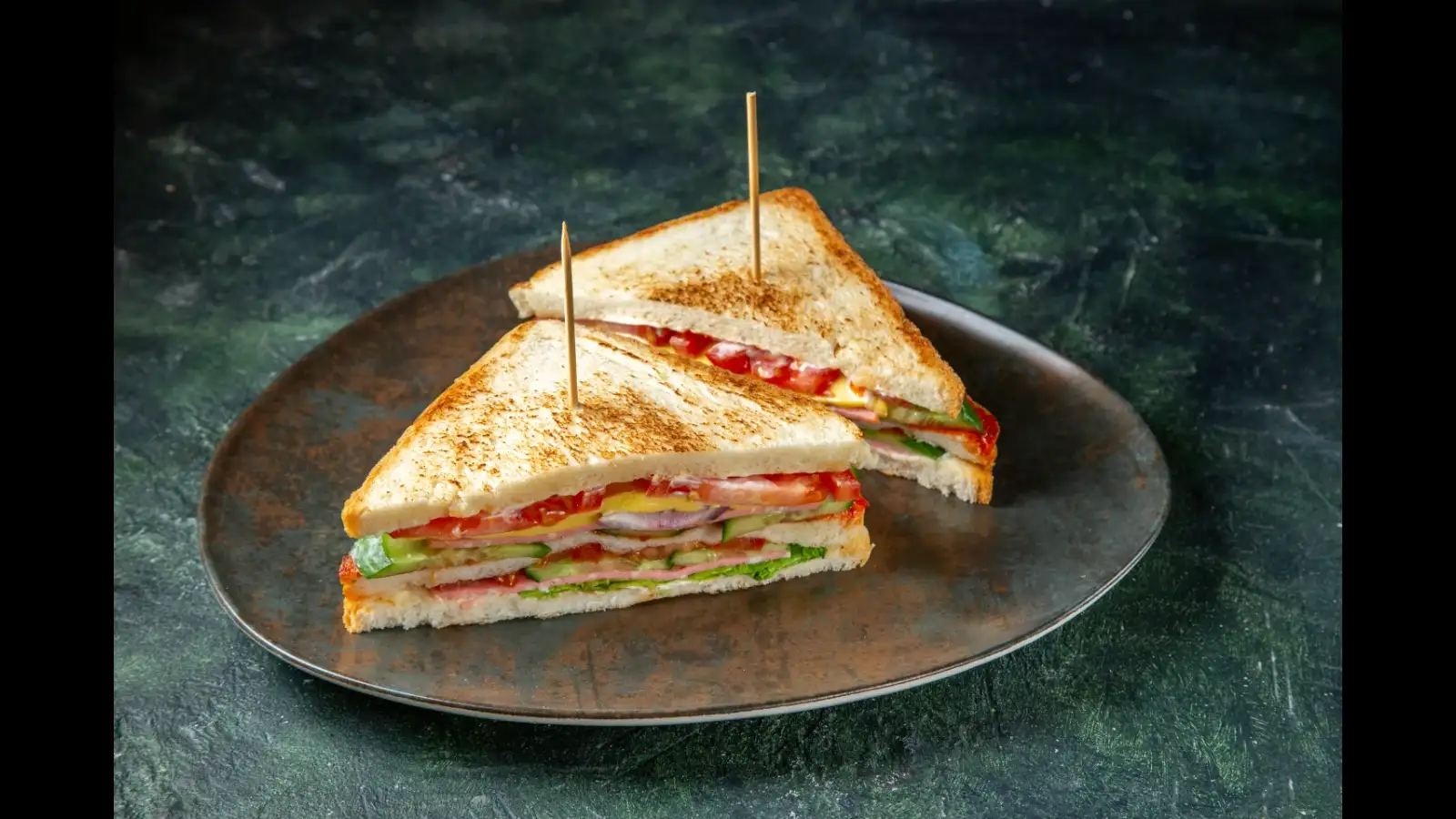
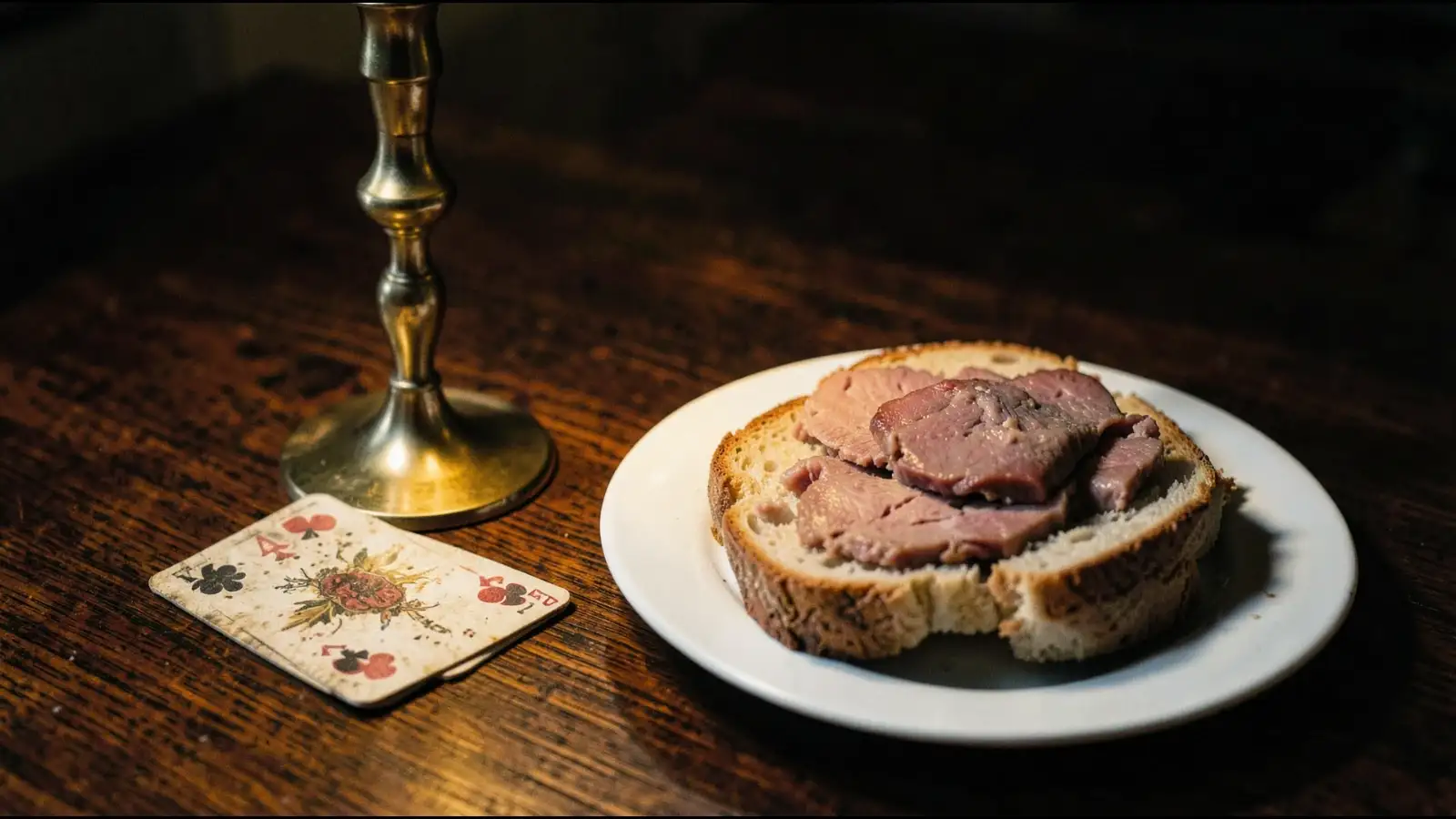
John Montagu was the fourth Earl of Sandwich, a British statesman who lived through much of the eighteenth century. He held serious offices, First Lord of the Admiralty among them, but the story that attached his name to posterity is domestic and slightly absurd. According to the account that circulated in his own lifetime, he once spent twenty-four hours at a gaming table without standing up to eat a proper meal. To keep going, he asked a servant to bring him sliced meat placed between two pieces of bread, so he could eat with one hand and play with the other.
The story was recorded by the French travel writer Pierre-Jean Grosley, who visited London in the 1760s and described what he saw Londoners calling this convenient arrangement. Whether Montagu actually invented it, or simply made it fashionable enough among his circle that his name stuck, is a question historians enjoy but cannot settle. Bread and meat eaten together is as old as bread itself. What Montagu gave the world was not the object but the word.
This is how much of English culinary vocabulary formed. Beef Wellington, Eggs Benedict, and the Caesar salad all carry names of people who may or may not have created them, but who were prominent enough at the right moment for the association to hold. The sandwich is simply the most successful of these, because the thing it named turned out to be the most portable, adaptable, and universally useful food format ever devised.
Sandwich the town predates Sandwich the food by many centuries. It appears in records from the early medieval period and was once one of the Cinque Ports, a group of English coastal towns that provided ships and men to the Crown in exchange for trading privileges. The name itself is Old English, from words meaning sand and settlement or trading place, a reference to the sandy ground on which it sits.
When English nobles received a title tied to a place, the place and the person became linked in public speech. The fourth Earl's gambling habit simply gave the town's name one more life than anyone in Sandwich had anticipated.
What spread was not a single recipe but a format: two outer layers enclosing a filling, portable enough to eat standing up or moving. That format turned out to be infinitely adaptable, to every climate, every ingredient, every economic level. The banh mi, the torta, the roti roll, and the club sandwich are all the same structural idea expressed in different culinary traditions.
John Montagu did not invent bread, or meat, or the idea of eating them together. He sat at a card table long enough that his title became the word for a thing the whole world already knew how to want. The name outlasted his politics, his naval career, and the card game he could not leave. That is the part of the story worth keeping.
The Earl and the Card Table
John Montagu was the fourth Earl of Sandwich, a British statesman who lived through much of the eighteenth century. He held serious offices, First Lord of the Admiralty among them, but the story that attached his name to posterity is domestic and slightly absurd. According to the account that circulated in his own lifetime, he once spent twenty-four hours at a gaming table without standing up to eat a proper meal. To keep going, he asked a servant to bring him sliced meat placed between two pieces of bread, so he could eat with one hand and play with the other.
The story was recorded by the French travel writer Pierre-Jean Grosley, who visited London in the 1760s and described what he saw Londoners calling this convenient arrangement. Whether Montagu actually invented it, or simply made it fashionable enough among his circle that his name stuck, is a question historians enjoy but cannot settle. Bread and meat eaten together is as old as bread itself. What Montagu gave the world was not the object but the word.
Why His Name and Not Someone Else's
Names attach to things for reasons that have more to do with social weight than with genuine invention. The Earl of Sandwich moved in circles where his habits were noticed and imitated. When a lord at a fashionable London club asks for his meat between bread, other members ask for the same thing by saying they want what Sandwich is having. The name travels outward from that room.This is how much of English culinary vocabulary formed. Beef Wellington, Eggs Benedict, and the Caesar salad all carry names of people who may or may not have created them, but who were prominent enough at the right moment for the association to hold. The sandwich is simply the most successful of these, because the thing it named turned out to be the most portable, adaptable, and universally useful food format ever devised.
You may also like
- 'Hafiz-e-Quran': LeT, JeM figures back Asim Munir as Pak army pushes to mainstream terror outfits
- In 1969, a Missouri town buried a time capsule four feet underground; when it was opened 50 years later, floodwater had damaged most of its contents, but one mother's letter to her daughters survived intact
- Pakistan set to host talks with Saudi Arabia, Turkiye under trilateral defence pact
- In 1964, Oklahoma City endured 1,253 sonic booms in six months; seven years later, Congress ended funding for the U.S. supersonic transport program amid cost, technical and environmental concerns
- In 1975, an Ohio couple collected 1,400 cans for a homemade solar furnace; sunlight warmed their home into the 70s, with oil heat used after the sun went down
The Town Behind the Title
Sandwich the town predates Sandwich the food by many centuries. It appears in records from the early medieval period and was once one of the Cinque Ports, a group of English coastal towns that provided ships and men to the Crown in exchange for trading privileges. The name itself is Old English, from words meaning sand and settlement or trading place, a reference to the sandy ground on which it sits.
When English nobles received a title tied to a place, the place and the person became linked in public speech. The fourth Earl's gambling habit simply gave the town's name one more life than anyone in Sandwich had anticipated.
How the Word Spread
By the early nineteenth century, the word sandwich was appearing in English cookbooks as a standard term. It crossed into French, German, Spanish, and eventually nearly every language with a literate food culture. Some languages kept the English word whole; others adapted the spelling to their own phonetics. In Hindi, sैंडविच sits comfortably in urban menus. In Japanese, sandoicchi. The thing was so useful that the word went with it wherever the thing went.What spread was not a single recipe but a format: two outer layers enclosing a filling, portable enough to eat standing up or moving. That format turned out to be infinitely adaptable, to every climate, every ingredient, every economic level. The banh mi, the torta, the roti roll, and the club sandwich are all the same structural idea expressed in different culinary traditions.
What the Story Actually Shows
The sandwich's origin story is a small lesson in how language works. A useful object gets a name from whoever made it famous rather than whoever made it first. That name then travels with the object, detaches from the person who gave it, and eventually becomes so ordinary that no one wonders where it came from.John Montagu did not invent bread, or meat, or the idea of eating them together. He sat at a card table long enough that his title became the word for a thing the whole world already knew how to want. The name outlasted his politics, his naval career, and the card game he could not leave. That is the part of the story worth keeping.






Loving Newspoint? Download the app now
