
Trump Calls Off US Strikes on Iran, Announces Fresh Nuclear Talks

In a dramatic shift in Middle Eastern diplomacy, United States President Donald Trump has announced that planned military strikes against Iran have been called off to make way for a fresh round of diplomatic talks. Speaking to reporters on board Air Force One, President Trump confirmed that negotiations between Washington and Tehran are expected to begin on Monday, following intervention from key regional partners.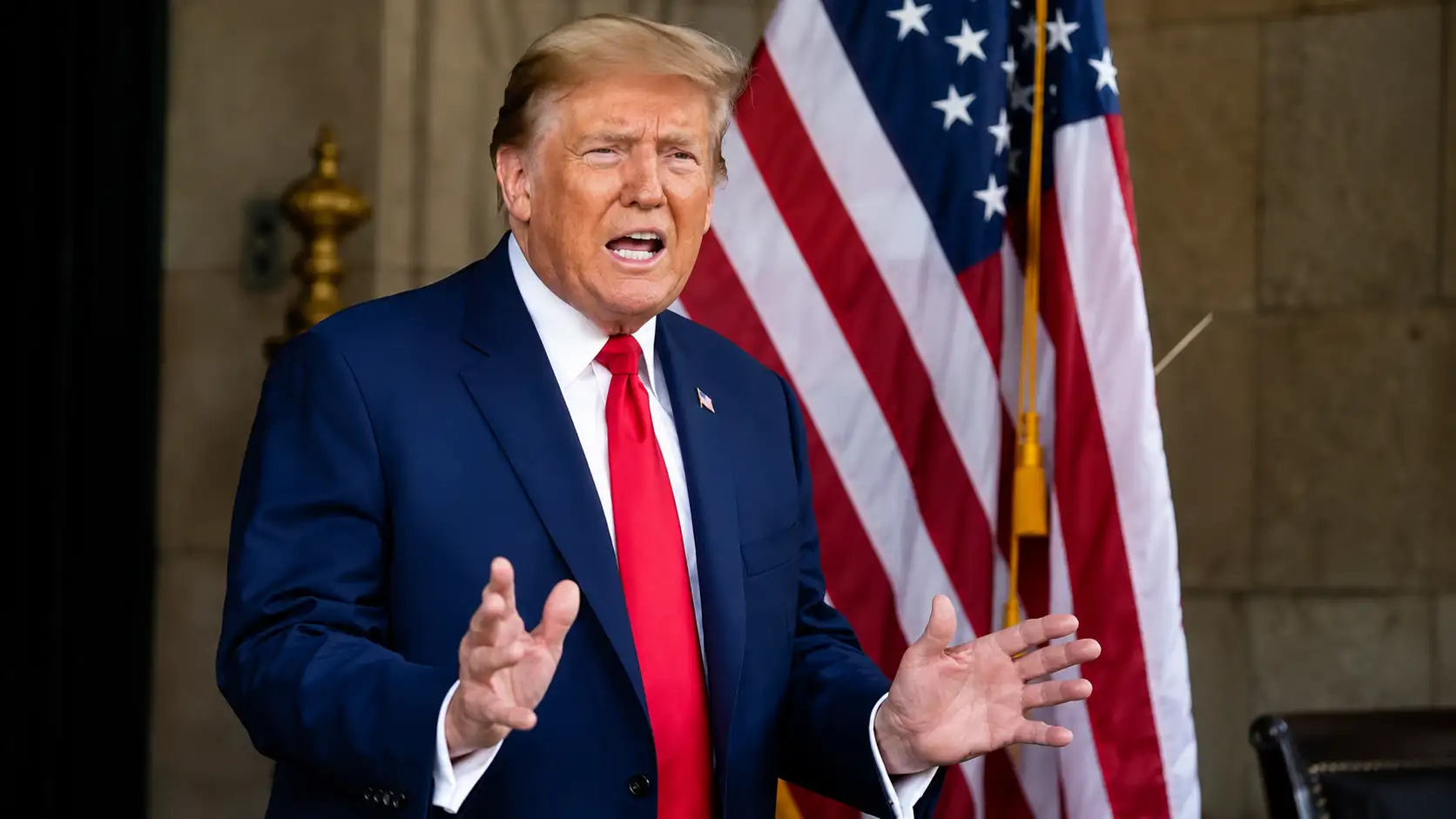
The decision to pause military action came after urgent requests from Middle Eastern allies, including Saudi Arabia’s Crown Prince Mohammed Bin Salman, alongside senior leaders from the United Arab Emirates and Qatar. According to American officials, these regional allies urged the White House to grant diplomacy another chance, citing promising framework agreements regarding maritime security in the Strait of Hormuz and nuclear regulation.
Explaining his rationale for cancelling the operation, President Trump stated that he sought to avoid widespread casualties and preserve the possibility of securing a lasting peace agreement. He highlighted that regional partners believed a diplomatic breakthrough was achievable, particularly regarding shipping access through the Strait of Hormuz—a vital global energy checkpoint where nearly a fifth of the world's petroleum supply passes daily.
Iranian officials offered a cautious response to the announcement. Iranian Foreign Minister Abbas Araghchi indicated through state media that separate diplomatic discussions mediated by Oman were progressing constructively. However, Iranian news agencies rejected claims that Tehran had directly requested the cancellation of US strikes, insisting that their defense posture remains fully prepared for any eventuality.
Energy analysts noted that the temporary easing of tensions provided immediate relief to shipping lines and global markets concerned about potential disruptions to oil and gas transport through the Persian Gulf. However, market observers remain cautious, emphasizing that oil prices could fluctuate depending on the outcome of the upcoming talks.
With high-stakes diplomatic conversations set to proceed, international observers hope that renewed dialogue will successfully reduce regional tensions and establish long-term stability in the Middle East.
The decision to pause military action came after urgent requests from Middle Eastern allies, including Saudi Arabia’s Crown Prince Mohammed Bin Salman, alongside senior leaders from the United Arab Emirates and Qatar. According to American officials, these regional allies urged the White House to grant diplomacy another chance, citing promising framework agreements regarding maritime security in the Strait of Hormuz and nuclear regulation.
Aborted Strikes and Regional Mediation
President Trump revealed that American forces were fully prepared to launch what he described as massive military strikes against Iranian targets before the operation was halted. The US President noted that Iranian officials were aware of the impending action as military assets gathered in the region.You may also like
- Who is Jacob Tsimerman: Fields Medal-winning mathematics professor who was once one of AI's biggest critics, now joining OpenAI to tackle AI safety
- CNG shortage, high fares disrupts life in Bangladesh
- Why the F-35B is the most complex fighter in the F-35 family
- Nepal seeks India's nod for its National Identity Card in cross-border travel
- Meet the General Grant Tree: The world's second-largest tree that became America's only living National Shrine
Explaining his rationale for cancelling the operation, President Trump stated that he sought to avoid widespread casualties and preserve the possibility of securing a lasting peace agreement. He highlighted that regional partners believed a diplomatic breakthrough was achievable, particularly regarding shipping access through the Strait of Hormuz—a vital global energy checkpoint where nearly a fifth of the world's petroleum supply passes daily.
Iranian officials offered a cautious response to the announcement. Iranian Foreign Minister Abbas Araghchi indicated through state media that separate diplomatic discussions mediated by Oman were progressing constructively. However, Iranian news agencies rejected claims that Tehran had directly requested the cancellation of US strikes, insisting that their defense posture remains fully prepared for any eventuality.
Global Economic Impact and Oil Markets
The announcement of potential peace talks triggered an immediate reaction across international energy markets. Global crude oil benchmarks fell sharply in early Asian trading following news that military conflict had been temporarily averted. Brent Crude dropped by more than 4 percent, while US West Texas Intermediate crude experienced a similar decline.Energy analysts noted that the temporary easing of tensions provided immediate relief to shipping lines and global markets concerned about potential disruptions to oil and gas transport through the Persian Gulf. However, market observers remain cautious, emphasizing that oil prices could fluctuate depending on the outcome of the upcoming talks.
Uncertain Road Ahead for Diplomacy
While President Trump expressed optimism about reaching a negotiated settlement, he refrained from setting a strict deadline for the conclusion of talks or revealing the specific venue for the negotiations. American lawmakers and international diplomats are watching the developments closely to see if formal negotiations can produce a tangible agreement.With high-stakes diplomatic conversations set to proceed, international observers hope that renewed dialogue will successfully reduce regional tensions and establish long-term stability in the Middle East.






Loving Newspoint? Download the app now
