
Trump Responds to US Senate Russia Sanctions Bill That Could Hit India with 100% Tariffs

US President Donald Trump has responded to landmark legislation moving through the United States Senate that seeks to penalise nations purchasing Russian crude oil and natural gas. The proposed Russia sanctions bill , championed by a bipartisan group of American lawmakers, introduces sweeping economic measures aimed at cutting off revenues flowing to Moscow. Among its most contentious provisions is a clause authorising secondary tariffs of up to 100 percent on major buyer nations, including India, China, Slovakia, Hungary, and Azerbaijan.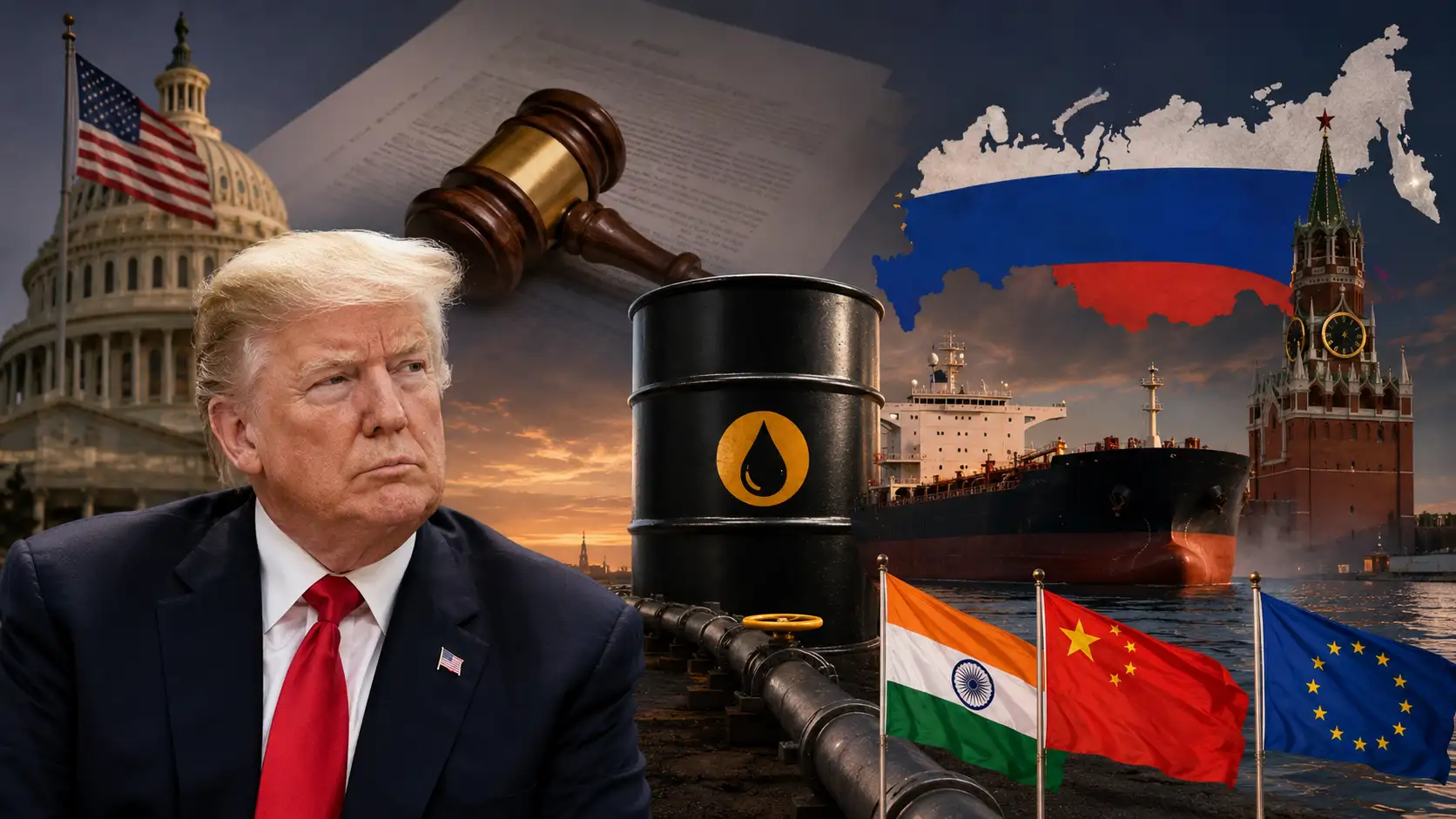
Supporters of the legislation argue that targeting the primary purchasers of Russian fossil fuels is necessary to curb Moscow's military funding. By imposing severe economic consequences on third-party trading partners, the US Congress hopes to compel major importing nations to scale back their reliance on Russian energy supplies.
While earlier drafts of the legislation entertained even steeper duties, the revised version caps secondary tariffs at 100 percent. The bill also incorporates targeted exemptions for certain European allies that have made verifiable strides toward eliminating their dependence on Russian gas imports.
The Trump administration has consistently emphasised the importance of protecting American consumers from secondary inflationary pressures. Critics of indiscriminate trade penalties note that imposing 100 percent duties on a major partner like India could trigger retaliation, disrupt global supply chains, and increase the cost of imported goods within the domestic United States market.
If enacted without modification, the proposed bill could compel New Delhi to re-evaluate its foreign oil procurement strategy or seek diplomatic waivers directly from Washington. However, industry observers suggest that the inclusion of executive waiver provisions leaves ample room for strategic bilateral negotiations between India and the United States.
As the bill continues its journey through the US Congress, international observers remain focused on whether lawmakers will preserve the flexible waiver clauses or push for immediate, strict enforcement against key strategic partners.
Understanding the Proposed Legislation
The new bill represents a significant shift in how American legislators use economic tools to address global security issues. If passed into law, it would empower the US administration to levy punitive duties on goods imported from countries that maintain substantial energy trade partnerships with Russia.Supporters of the legislation argue that targeting the primary purchasers of Russian fossil fuels is necessary to curb Moscow's military funding. By imposing severe economic consequences on third-party trading partners, the US Congress hopes to compel major importing nations to scale back their reliance on Russian energy supplies.
You may also like
- Plaqueboymax vs Zoe Spencer controversy explained as streamer responds to alleged homophobic F-slurs
- An Italian man built a fake Roman amphitheatre, fooled tourists for nearly 10 years and charged €40 for guided tours
- President Donald Trump has invited 16-year old rookie life guard with his family to the White House for a special honour: All about Ryder Williams who made California proud
- 'Frustration of their failure': Ex-envoy Vidya Bhushan Soni slams Pakistan over PoK unrest
- Violence, rigging charges cast shadow over PoK polls; army role alleged
While earlier drafts of the legislation entertained even steeper duties, the revised version caps secondary tariffs at 100 percent. The bill also incorporates targeted exemptions for certain European allies that have made verifiable strides toward eliminating their dependence on Russian gas imports.
President Trump's Stance and National Interest Waivers
Addressing the development, President Trump indicated general alignment with the broader objective of pressuring Moscow, while maintaining that high secondary tariffs should remain a flexible tool rather than an automatic penalty. A key feature of the draft bill is the presidential waiver authority, which allows the White House to pause or forgo tariffs if imposing them threatens US national security or broader economic interests.The Trump administration has consistently emphasised the importance of protecting American consumers from secondary inflationary pressures. Critics of indiscriminate trade penalties note that imposing 100 percent duties on a major partner like India could trigger retaliation, disrupt global supply chains, and increase the cost of imported goods within the domestic United States market.
Potential Impact on India's Energy Strategy
Since 2022, India has significantly increased its imports of discounted Russian crude oil to satisfy its rising domestic energy demand and safeguard domestic fuel prices. Indian government officials and trade analysts have repeatedly maintained that energy purchases are driven strictly by national interest and market dynamics.If enacted without modification, the proposed bill could compel New Delhi to re-evaluate its foreign oil procurement strategy or seek diplomatic waivers directly from Washington. However, industry observers suggest that the inclusion of executive waiver provisions leaves ample room for strategic bilateral negotiations between India and the United States.
As the bill continues its journey through the US Congress, international observers remain focused on whether lawmakers will preserve the flexible waiver clauses or push for immediate, strict enforcement against key strategic partners.






Loving Newspoint? Download the app now
