
Hormuz Standoff Deepens: US Bombs Iranian Targets After Gulf Shipping Attacks

The fragile peace in the Middle East appears to be under renewed strain. Early Monday morning, the United States military launched multiple waves of coordinated airstrikes targeting several cities and military installations across Iran. The strikes mark a major escalation in the ongoing standoff over the Strait of Hormuz , one of the world's most strategically important energy shipping routes.
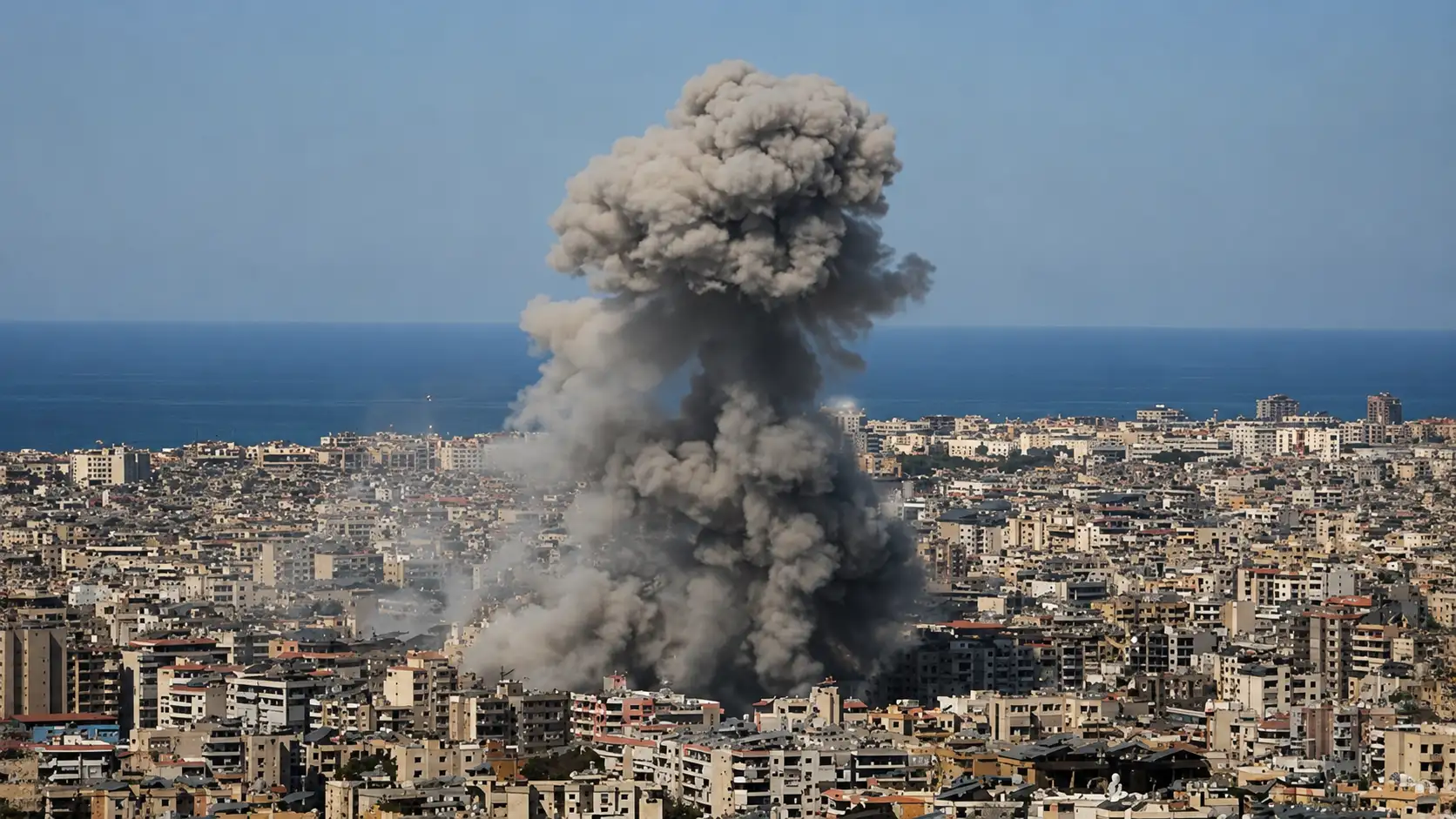
Explosions were widely reported in the strategic southern port city of Bandar Abbas, as well as on nearby Qeshm Island. Iranian state media confirmed the attacks, acknowledging significant damage to several sites and reporting at least one casualty.
The military action followed an incident over the weekend in which an international container ship was struck and set ablaze in the Strait of Hormuz, leaving a crew member missing. Washington blamed Tehran for the attack, triggering a swift and forceful military response.
The immediate impact of the renewed hostilities was felt across global financial markets. Energy prices surged, with Brent crude rising 3.3 per cent to $78.50 a barrel in early trading, while US West Texas Intermediate (WTI) crude climbed 3.4 per cent to $73.83. The sharp increase reversed a recent decline in oil prices, reigniting concerns about a prolonged global energy crisis if disruption to shipping through the waterway continues.
Instead, tensions have intensified over control of the Strait of Hormuz. Tehran has declared the strategic waterway closed to what it describes as its "enemies" and maintains that it has the right to regulate shipping and impose fees on commercial vessels. The United States and its regional allies, however, argue that the strait is an international waterway that must remain open to global maritime traffic.
Speaking on NBC’s Meet the Press, US President Donald Trump struck a defiant tone, saying that American forces had "bombed the hell out of them". Meanwhile, Mohammad Bagher Qalibaf, the speaker of Iran's parliament, wrote on social media that the "era of one-sided deals is over," warning Washington to honour its commitment or face the consequences.
Massive Strikes Target Coastal Infrastructure
According to official military statements, the overnight operation struck around 140 locations across Iran. The campaign was aimed at weakening the ability of Iran's Islamic Revolutionary Guard Corps (IRGC) to disrupt international shipping. The strikes primarily targeted missile batteries, air defence systems, ammunition depots and fast-attack naval vessels.Explosions were widely reported in the strategic southern port city of Bandar Abbas, as well as on nearby Qeshm Island. Iranian state media confirmed the attacks, acknowledging significant damage to several sites and reporting at least one casualty.
The military action followed an incident over the weekend in which an international container ship was struck and set ablaze in the Strait of Hormuz, leaving a crew member missing. Washington blamed Tehran for the attack, triggering a swift and forceful military response.
Regional Retaliation and Oil Market Shocks
The conflict quickly escalated as Iran launched retaliatory strikes against neighbouring Gulf Arab nations that host American military infrastructure. At dawn on Monday, missile alert sirens sounded across Bahrain home to the US Navy’s 5th Fleet forcing military personnel and civilians to seek shelter. Drone and missile strikes were also reported stretching across Kuwait, Qatar, Jordan, and Oman.You may also like
- Iran claims destroying US Patriot systems in Gulf counterattack
- Trump, Netanyahu, Meloni & more: Who is on Iran's 'hitlist' to avenge Khamenei's death?
- Why did 12-year-old Prince George wear a suit to Wimbledon despite the scorching heat?
- Russia sends 'doomsday' aircraft to Iran as US strikes escalate
- Sufi shrines targeted in Bangladesh amid rise of radicalism: Report
The immediate impact of the renewed hostilities was felt across global financial markets. Energy prices surged, with Brent crude rising 3.3 per cent to $78.50 a barrel in early trading, while US West Texas Intermediate (WTI) crude climbed 3.4 per cent to $73.83. The sharp increase reversed a recent decline in oil prices, reigniting concerns about a prolonged global energy crisis if disruption to shipping through the waterway continues.
Ceasefire Near Collapse
The latest escalation comes midway through a fragile 60-day interim ceasefire negotiated between Washington and Tehran. The temporary agreement was intended to create a diplomatic window for both sides to negotiate a a lasting resolution to the broader conflict, which began earlier this year.Instead, tensions have intensified over control of the Strait of Hormuz. Tehran has declared the strategic waterway closed to what it describes as its "enemies" and maintains that it has the right to regulate shipping and impose fees on commercial vessels. The United States and its regional allies, however, argue that the strait is an international waterway that must remain open to global maritime traffic.
Speaking on NBC’s Meet the Press, US President Donald Trump struck a defiant tone, saying that American forces had "bombed the hell out of them". Meanwhile, Mohammad Bagher Qalibaf, the speaker of Iran's parliament, wrote on social media that the "era of one-sided deals is over," warning Washington to honour its commitment or face the consequences.
Global Appeals for Restraint
As the situation threatens to escalate into a full-scale regional conflict, the international community has issued urgent calls for restraint. United Nations Secretary-General António Guterres released a strongly worded statement warning that a return to unrestricted hostilities would have "catastrophic consequences" for regional stability and the global economy. Meanwhile, regional mediators, including diplomats from Pakistan and Qatar, are engaged in intensive diplomatic efforts to preserve the ceasefire, although the prospects for an immediate de-escalation remain uncertain.





Loving Newspoint? Download the app now
