
Venice: The City Built on 118 Islands and Connected by Hundreds of Bridges

At first glance, Venice looks almost impossible. Grand palaces appear to rise directly from the water, boats replace cars and narrow lanes suddenly open onto canals. Yet this is not a carefully designed theme park or a modern engineering experiment. Venice is a real city built across 118 small islands in a lagoon on Italy's Adriatic coast. What makes it even more remarkable is that these islands were gradually transformed into one of Europe's most influential cities. Its unusual geography shaped everything from transport and architecture to trade, defence and daily life. Today, Venice remains one of the world's most extraordinary examples of a city adapting to water rather than trying to conquer it.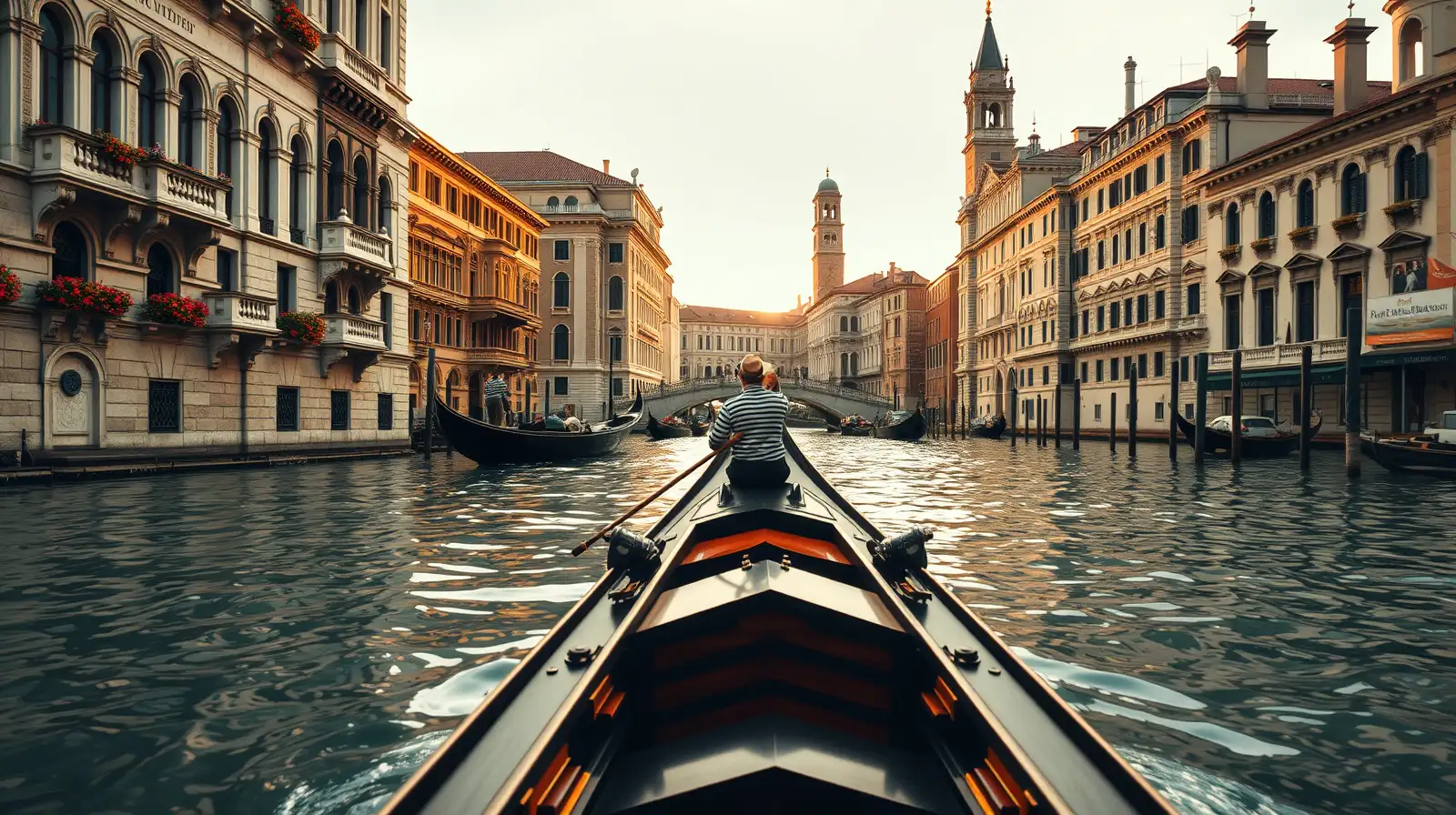
The location that initially offered protection eventually became the foundation of a powerful maritime civilisation. By the 10th century, Venice had developed into a major trading and naval power, connecting markets across the Mediterranean and beyond.
The lagoon was not simply the setting for Venice. It became part of the city's identity and its greatest natural advantage.
This means a journey that would involve a road elsewhere can involve a bridge, alleyway or boat in Venice. Public water buses, known as vaporetti, are an important part of modern transport, while smaller boats continue to serve residents and businesses.
For visitors, this creates the strange sensation of being in a city where water is not an obstacle but part of the road network.
The islands consisted largely of soft, marshy ground, so simply placing heavy stone buildings on the surface was not practical. Builders developed techniques using wooden piles driven deep into the sediment to create stable foundations.
Over generations, this allowed increasingly ambitious structures to rise above the lagoon. The result is a city whose spectacular architecture conceals an equally remarkable engineering story beneath its streets and canals.
That wealth transformed the landscape. Churches, palaces and public buildings were constructed on a remarkable scale, creating the artistic heritage for which Venice is known today. UNESCO recognises the city and its lagoon as a World Heritage site, describing Venice as an exceptional artistic achievement.
The problem is particularly striking because Venice's greatest attraction is also part of its vulnerability. Its lagoon, canals and low-lying islands created the city's identity, but they also leave it exposed to changing environmental conditions.
Tourism adds another layer. Venice has introduced measures to manage large numbers of day visitors, including an entry fee on selected high-traffic days.
The city shows what can happen when people adapt themselves to an environment instead of completely reshaping it. Its canals became roads, its lagoon became a natural defence and its scattered islands became the foundation of a global trading power.
Perhaps the most fascinating thing about Venice is that its most impressive feature is almost invisible. Beneath the famous palaces, bridges and waterways lies centuries of human ingenuity that made it possible for an entire city to exist where ordinary cities could never have been built.
How Venice Began on the Water
The story of Venice begins centuries ago, when people living on the mainland sought refuge in the lagoon during periods of invasion and instability. Early settlements developed on islands such as Torcello, Jesolo and Malamocco before gradually becoming permanent communities.The location that initially offered protection eventually became the foundation of a powerful maritime civilisation. By the 10th century, Venice had developed into a major trading and naval power, connecting markets across the Mediterranean and beyond.
The lagoon was not simply the setting for Venice. It became part of the city's identity and its greatest natural advantage.
A City Connected by Water and Bridges
Venice's unusual layout can be difficult to appreciate until you see it on a map. The city consists of 118 islands connected by more than 400 bridges, with canals acting as waterways between neighbourhoods. Italy's official tourism portal describes the islands as being joined by more than 400 bridges, while ENIT lists 435 bridges and 176 canals.This means a journey that would involve a road elsewhere can involve a bridge, alleyway or boat in Venice. Public water buses, known as vaporetti, are an important part of modern transport, while smaller boats continue to serve residents and businesses.
For visitors, this creates the strange sensation of being in a city where water is not an obstacle but part of the road network.
How Buildings Stand on Soft Ground
One of Venice's greatest engineering achievements is hidden beneath the water.The islands consisted largely of soft, marshy ground, so simply placing heavy stone buildings on the surface was not practical. Builders developed techniques using wooden piles driven deep into the sediment to create stable foundations.
You may also like
- Congo's Ebola death toll crosses 2,000 as country battles fastest-growing outbreak
- Indians can get UAE visa free for 3 months: Check eligibility, rules and booking process
- In 2012, Yonkers tore up a downtown parking lot to uncover a river buried for decades; within six months it had created 14,000 sq ft of aquatic habitat
- New Haven turned a capped landfill into a 1,920-panel solar farm; the site now powers about 200 homes and pays the city $72,000 a year
- QTCinderella's homophobic friends controversy explained: Streamer addresses backlash over her past comments
Over generations, this allowed increasingly ambitious structures to rise above the lagoon. The result is a city whose spectacular architecture conceals an equally remarkable engineering story beneath its streets and canals.
Why Venice Became So Powerful
Venice's position gave it access to important maritime trading routes. Its merchants built commercial connections across Europe and the eastern Mediterranean, helping the city become exceptionally wealthy and influential.That wealth transformed the landscape. Churches, palaces and public buildings were constructed on a remarkable scale, creating the artistic heritage for which Venice is known today. UNESCO recognises the city and its lagoon as a World Heritage site, describing Venice as an exceptional artistic achievement.
The Challenge of Keeping the City Alive
Venice's relationship with water has become more complicated in the modern era. Rising sea levels, flooding, environmental pressures and the enormous number of visitors all present challenges to the historic city.The problem is particularly striking because Venice's greatest attraction is also part of its vulnerability. Its lagoon, canals and low-lying islands created the city's identity, but they also leave it exposed to changing environmental conditions.
Tourism adds another layer. Venice has introduced measures to manage large numbers of day visitors, including an entry fee on selected high-traffic days.
Why Venice Still Matters
Venice is more than a beautiful destination. It is an extraordinary lesson in how geography can shape civilisation.The city shows what can happen when people adapt themselves to an environment instead of completely reshaping it. Its canals became roads, its lagoon became a natural defence and its scattered islands became the foundation of a global trading power.
Perhaps the most fascinating thing about Venice is that its most impressive feature is almost invisible. Beneath the famous palaces, bridges and waterways lies centuries of human ingenuity that made it possible for an entire city to exist where ordinary cities could never have been built.






Loving Newspoint? Download the app now
