
Vietnam Boat Tragedy Explained: What We Know So Far About What Happened

Nobody packs for a holiday expecting it to end in tragedy. The bags were packed, the itinerary was planned, and the photographs had already started filling up phone galleries. For a group of Indian travellers visiting Vietnam, it was supposed to be a few days away from work, a chance to unwind by the sea. Instead, one boat ride changed everything. By the time rescue teams arrived at the scene, what had begun as an ordinary afternoon had become one of the deadliest accidents involving Indian tourists abroad in recent years.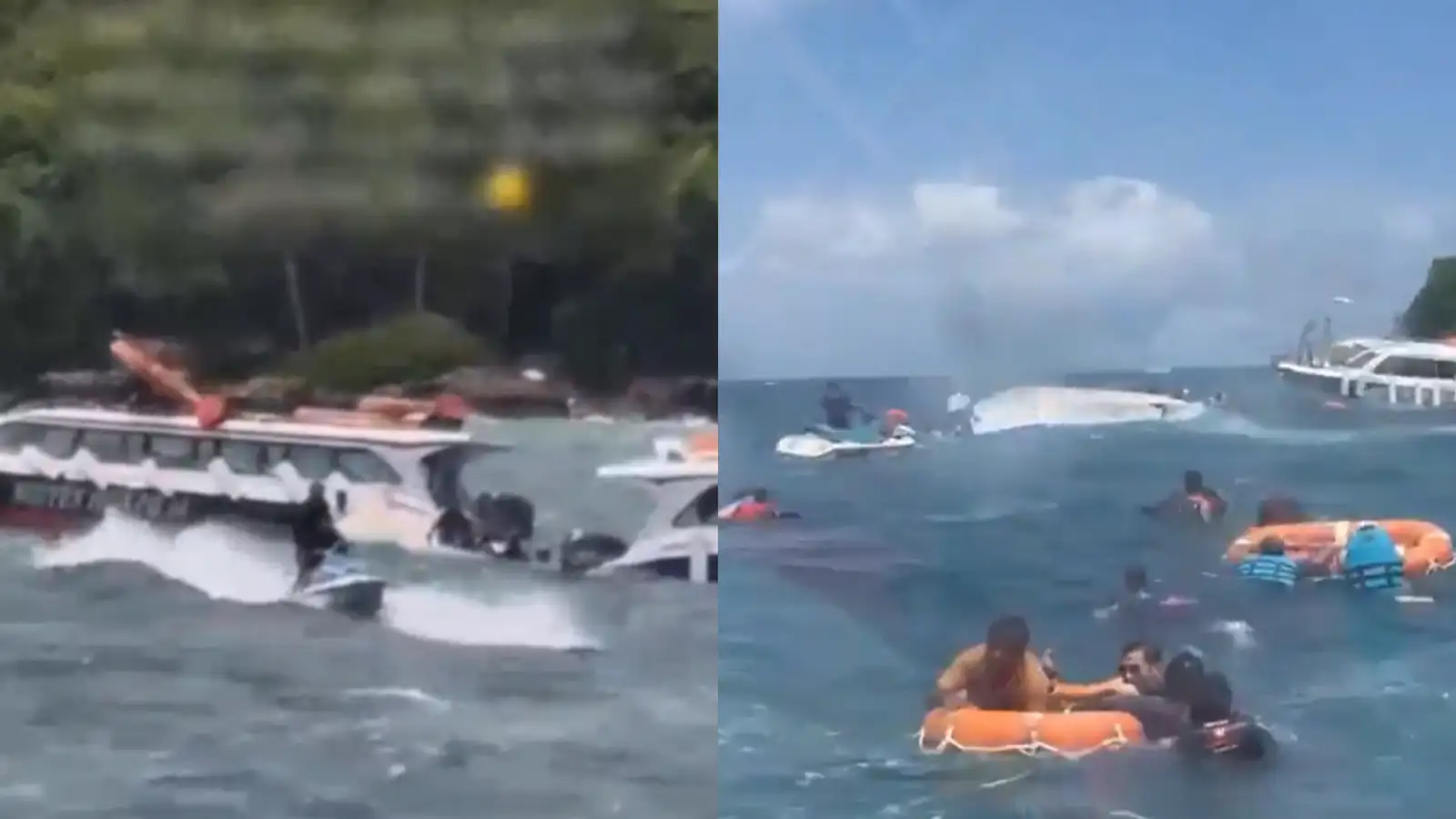
The group had spent part of the day exploring Hon May Rut Ngoai Island, one of the popular islands near Phu Quoc in southern Vietnam. Like thousands of tourists who visit the area every year, they were returning after sightseeing when disaster struck. The speedboat was carrying 32 Indian tourists along with four Vietnamese crew members.
Somewhere during the return journey on July 11, the boat overturned. What happened next unfolded in minutes. Nearby boats changed course to help. Rescue teams rushed to the area while local authorities began pulling passengers from the water. Hospitals in the region started receiving the injured even as families back in India were still unaware that anything had gone wrong. By the end of the rescue operation, 15 Indian tourists had died, while 21 others were rescued, according to Vietnamese authorities.
The travellers were reportedly part of a reward trip organised for associates of Lava International. For their families, the first few hours were filled with confusion rather than confirmation. Phone calls went unanswered. News alerts started appearing. Messages began circulating on WhatsApp before official information reached many relatives. As authorities worked to identify the victims, it became clear that the group included people from Tamil Nadu, Andhra Pradesh and Kerala.
The Indian Embassy in Vietnam, along with the Consulate General in Ho Chi Minh City, began coordinating with local officials, helping survivors and arranging the repatriation of those who had lost their lives.
Those who survived have described the accident as something that happened almost without warning. According to media reports, several passengers were chatting, enjoying the sea and taking photographs only moments before the boat overturned. Some survivors later said there was barely enough time to understand what was happening before everyone was struggling in the water.
These accounts offer a glimpse into the chaos that followed, but investigators have not treated them as the final explanation for the accident. For now, they remain personal recollections of an experience few people ever imagine living through.
Vietnamese authorities have begun examining what led to the accident. Investigators are looking at weather conditions, the operation of the vessel and whether all required safety procedures were followed before the boat left the island. Reports also say the speedboat's captain has been detained as part of the investigation.
At the time of writing, officials have not announced the exact cause of the accident, and the inquiry remains ongoing. That distinction matters. In tragedies like these, early claims often travel faster than confirmed facts. Until investigators complete their work, many of the answers people are looking for are still unknown.
Phu Quoc is known for its clear blue waters, island tours and postcard-worthy sunsets. Every year, thousands of visitors travel there looking for a peaceful escape. For one group of Indian travellers, that same destination will now be remembered for a very different reason.
The investigation will eventually explain how the accident happened. It may even lead to changes in safety practices for tourist boats. But for the families waiting at airports instead of welcoming loved ones home, those answers will never replace the people they lost. Sometimes the hardest stories to report aren't about what happened. They're about the lives that were supposed to continue after the journey ended.
It Was Just Another Stop on the itinerary
The group had spent part of the day exploring Hon May Rut Ngoai Island, one of the popular islands near Phu Quoc in southern Vietnam. Like thousands of tourists who visit the area every year, they were returning after sightseeing when disaster struck. The speedboat was carrying 32 Indian tourists along with four Vietnamese crew members.
Somewhere during the return journey on July 11, the boat overturned. What happened next unfolded in minutes. Nearby boats changed course to help. Rescue teams rushed to the area while local authorities began pulling passengers from the water. Hospitals in the region started receiving the injured even as families back in India were still unaware that anything had gone wrong. By the end of the rescue operation, 15 Indian tourists had died, while 21 others were rescued, according to Vietnamese authorities.
Back Home, Phones Kept Ringing
The travellers were reportedly part of a reward trip organised for associates of Lava International. For their families, the first few hours were filled with confusion rather than confirmation. Phone calls went unanswered. News alerts started appearing. Messages began circulating on WhatsApp before official information reached many relatives. As authorities worked to identify the victims, it became clear that the group included people from Tamil Nadu, Andhra Pradesh and Kerala.
The Indian Embassy in Vietnam, along with the Consulate General in Ho Chi Minh City, began coordinating with local officials, helping survivors and arranging the repatriation of those who had lost their lives.
You may also like
- Japan introduced black bass in 1925 to improve sport fishing, but scientists now say the invasive predators transformed Lake Biwa and drove native fish into decline
- Australia's 5,600-kilometre dingo fence was built to protect sheep, but after more than a century, researchers found the predator barrier had transformed entire ecosystems on opposite sides of the fence
- Egypt built the Aswan High Dam to tame the Nile's floods, but scientists now say the project starved the delta of fertile sediments and accelerated coastal erosion
- United States spent nearly a century extinguishing almost every forest fire, but scientists now say the policy left forests primed for today's larger and more destructive megafires
- Drone vs drone: How interceptors are changing the cost equation of air defence
Survivors Remember How Quickly Everything Changed
Those who survived have described the accident as something that happened almost without warning. According to media reports, several passengers were chatting, enjoying the sea and taking photographs only moments before the boat overturned. Some survivors later said there was barely enough time to understand what was happening before everyone was struggling in the water.
These accounts offer a glimpse into the chaos that followed, but investigators have not treated them as the final explanation for the accident. For now, they remain personal recollections of an experience few people ever imagine living through.
The Investigation Is Far From Over
Vietnamese authorities have begun examining what led to the accident. Investigators are looking at weather conditions, the operation of the vessel and whether all required safety procedures were followed before the boat left the island. Reports also say the speedboat's captain has been detained as part of the investigation.
At the time of writing, officials have not announced the exact cause of the accident, and the inquiry remains ongoing. That distinction matters. In tragedies like these, early claims often travel faster than confirmed facts. Until investigators complete their work, many of the answers people are looking for are still unknown.
A Moment That Changed Everything
Phu Quoc is known for its clear blue waters, island tours and postcard-worthy sunsets. Every year, thousands of visitors travel there looking for a peaceful escape. For one group of Indian travellers, that same destination will now be remembered for a very different reason.
The investigation will eventually explain how the accident happened. It may even lead to changes in safety practices for tourist boats. But for the families waiting at airports instead of welcoming loved ones home, those answers will never replace the people they lost. Sometimes the hardest stories to report aren't about what happened. They're about the lives that were supposed to continue after the journey ended.






Loving Newspoint? Download the app now
