
Yemen Airport Strike Sparks Fresh Middle East Crisis, Houthi Retaliation Begins

A dangerous new chapter of instability has unfolded in the Middle East after a dramatic military strike on Yemen’s Sana’a International Airport shattered years of relative calm. The incident, which triggered immediate retaliatory strikes, threatens to pull regional powers back into an active and open conflict.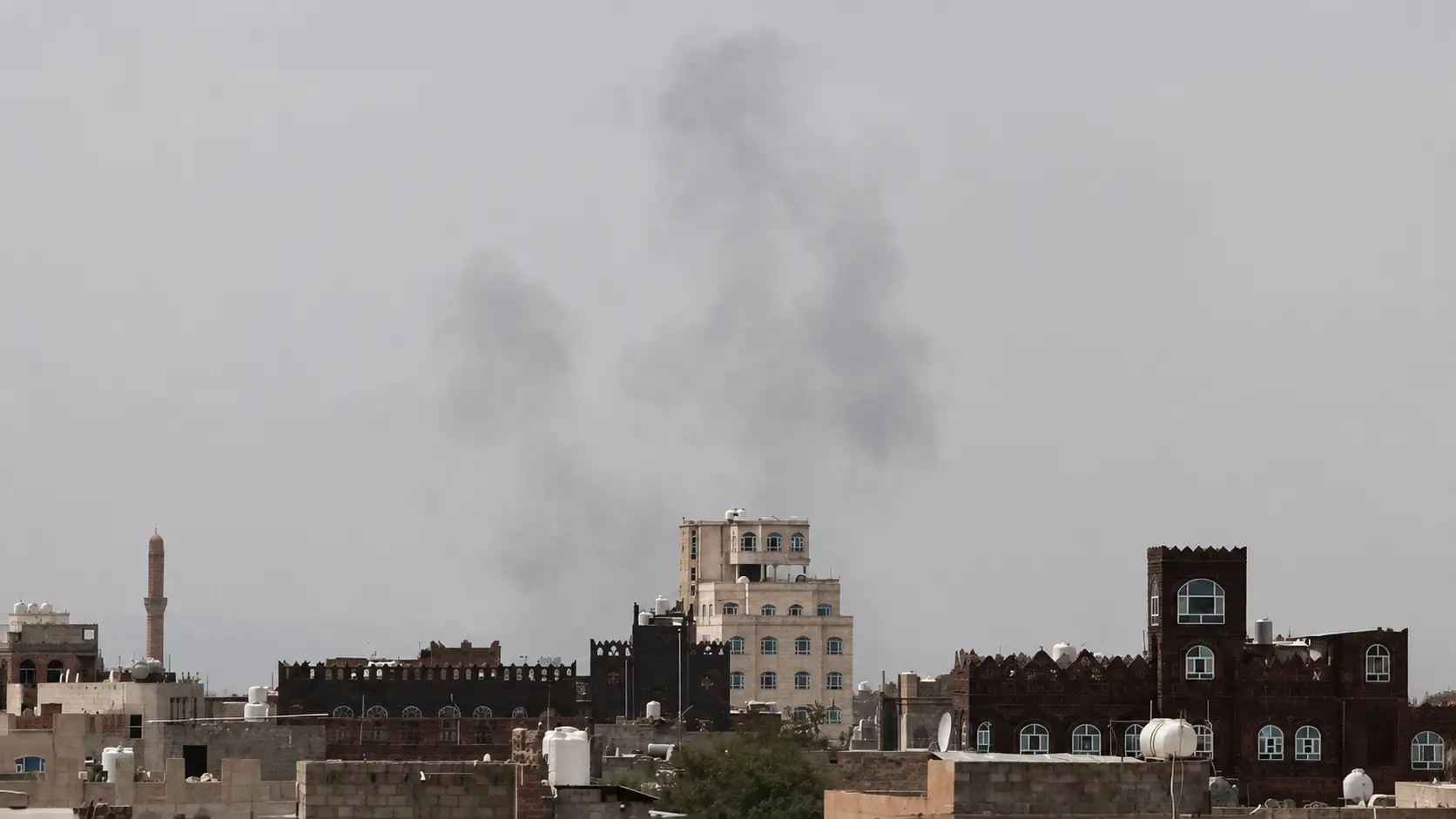
The escalation began on Monday when airstrikes heavily targeted the runway and take-off areas of the Houthi-controlled airport in the Yemeni capital, Sana’a. According to Yemen’s internationally recognised government, which operates from its southern base in Aden, its military forces struck the runway to prevent an unauthorised Iranian passenger aircraft from landing. The aircraft, operated by Iran 's Mahan Air, was reportedly carrying a Houthi delegation returning from Tehran, where its members had attended memorial services for Iran’s late Supreme Leader, Ayatollah Ali Khamenei.
"The terrorist Houthi militias insisted on allowing an Iranian plane to violate Yemeni territory," the Yemeni defence ministry said in a statement. Following the strike, the government ordered the temporary evacuation of the airport and surrounding residential areas.
In response, the Houthi movement blamed Saudi Arabia - the primary military backer of the southern Yemeni government - for launching the airstrikes. Local residents reported hearing massive explosions and seeing warplanes circling the capital. Houthi military spokesperson Brigadier General Yahya Saree declared that the strikes marked a definitive "end to the de-escalation phase" that had largely held since a UN-brokered truce in 2022.
Meanwhile, the controversial Iranian flight at the heart of the dispute was forced to divert. Houthi officials confirmed that the Mahan Air plane, which was also carrying several medical patients and stranded Yemeni citizens, safely touched down at the Red Sea port city of Hodeidah.
Adding to the tension, Yemeni Information Minister Moammar bin Mutahar Al-Eryan accused the Houthis of detaining an International Committee of the Red Cross (ICRC) aircraft at Sana’a airport, holding its pilot and co-pilot hostage.
Yemen’s civil war, which began in 2014 when the Iran-backed Houthis seized Sana’a, has long been viewed as a proxy conflict between Saudi Arabia and Iran. While a formal peace treaty was never finalized, a UN-brokered truce in 2022 had successfully halted major hostilities, offering a desperate lifeline to a country suffering from one of the world's worst humanitarian crises. This latest aerial standoff threatens to unravel those delicate diplomatic efforts, raising the prospect of a renewed and devastating war.
The escalation began on Monday when airstrikes heavily targeted the runway and take-off areas of the Houthi-controlled airport in the Yemeni capital, Sana’a. According to Yemen’s internationally recognised government, which operates from its southern base in Aden, its military forces struck the runway to prevent an unauthorised Iranian passenger aircraft from landing. The aircraft, operated by Iran 's Mahan Air, was reportedly carrying a Houthi delegation returning from Tehran, where its members had attended memorial services for Iran’s late Supreme Leader, Ayatollah Ali Khamenei.
The Battle for Air Sovereignty
Yemeni government officials defended the strike, framing it as a necessary action to protect national sovereignty. Defence Minister General Taher al-Aqili had warned shortly before the attack that "patience has run out," stating that government forces would use all available means to confront hostile aircraft violating Yemeni airspace. The government asserted that the Houthis had repeatedly rejected diplomatic proposals to fly the delegation back via Yemen’s national carrier, Yemenia, insisting instead on direct Iranian flights."The terrorist Houthi militias insisted on allowing an Iranian plane to violate Yemeni territory," the Yemeni defence ministry said in a statement. Following the strike, the government ordered the temporary evacuation of the airport and surrounding residential areas.
In response, the Houthi movement blamed Saudi Arabia - the primary military backer of the southern Yemeni government - for launching the airstrikes. Local residents reported hearing massive explosions and seeing warplanes circling the capital. Houthi military spokesperson Brigadier General Yahya Saree declared that the strikes marked a definitive "end to the de-escalation phase" that had largely held since a UN-brokered truce in 2022.
You may also like
- Prince William not keen on mending relationship with brother Harry
- Deeply disappointed: 'Melbourne Meets Modi' organisers on 'paid crowd' claims of Rahul, Kharge; seek apology
- 'Second in a week': Protests erupt after ICE agent fatally shoots Colombian man in US
- India summons Iranian diplomats after strike kills Indian sailor in Hormuz waters
- India's EAM Jaishankar meets UN chief Guterres in New York
Retaliation and Diverted Flights
The regional fallout was instantaneous. Hours after the Sana’a airport strike, Houthi forces launched a barrage of ballistic missiles and explosive drones targeting Abha International Airport in southern Saudi Arabia. While Saudi air defences reportedly intercepted the incoming projectiles and prevented casualties, Brigadier General Saree warned international airlines to avoid Saudi airspace, promising that the "aggression will not go unanswered or unpunished."Meanwhile, the controversial Iranian flight at the heart of the dispute was forced to divert. Houthi officials confirmed that the Mahan Air plane, which was also carrying several medical patients and stranded Yemeni citizens, safely touched down at the Red Sea port city of Hodeidah.
Adding to the tension, Yemeni Information Minister Moammar bin Mutahar Al-Eryan accused the Houthis of detaining an International Committee of the Red Cross (ICRC) aircraft at Sana’a airport, holding its pilot and co-pilot hostage.
A Fragile Peace Unravels
The sudden outbreak of hostilities has raised deep concerns within the international community. United Nations Special Envoy for Yemen, Hans Grundberg, expressed grave concern over the situation, urging all parties to exercise maximum restraint and engage in dialogue to protect the fragile progress made over the last four years.Yemen’s civil war, which began in 2014 when the Iran-backed Houthis seized Sana’a, has long been viewed as a proxy conflict between Saudi Arabia and Iran. While a formal peace treaty was never finalized, a UN-brokered truce in 2022 had successfully halted major hostilities, offering a desperate lifeline to a country suffering from one of the world's worst humanitarian crises. This latest aerial standoff threatens to unravel those delicate diplomatic efforts, raising the prospect of a renewed and devastating war.






Loving Newspoint? Download the app now
