
Best Time to Fill Your Car’s Fuel Tank: Day or Night? Myth vs Fact Explained

Best time to fill your car’s fuel tank is a topic that has sparked endless debate among drivers for years. Many people believe that refuelling early in the morning or late at night helps them get more fuel for the same amount of money because of cooler temperatures. While the theory sounds convincing, the real answer is quite different. Modern fuel storage systems, scientific studies, and industry findings reveal that the timing of your refuel may not matter as much as most drivers think.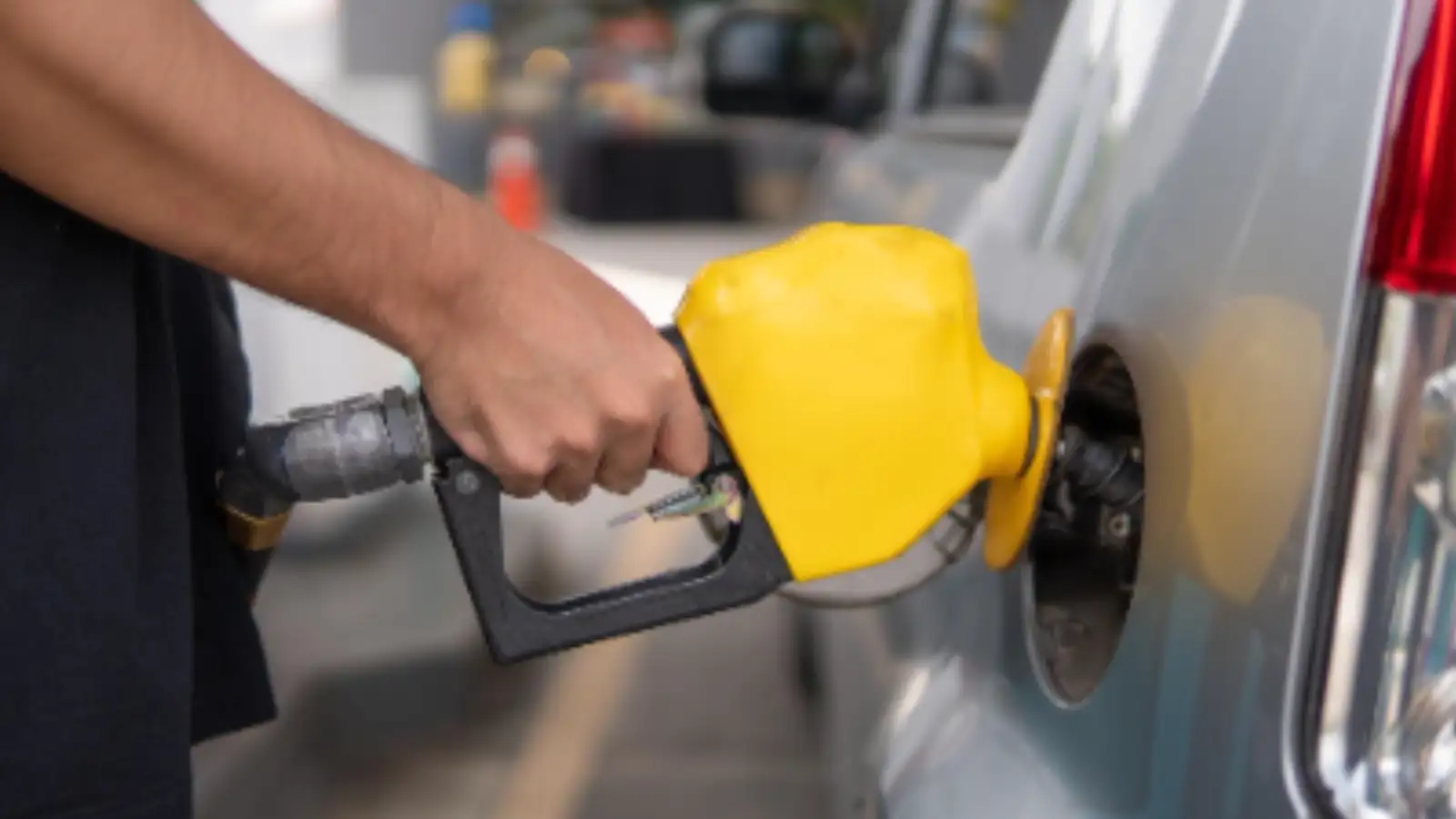
Here is the truth behind the popular fuel-filling myth and the smart habits that can actually help you save money on petrol and diesel.
Does Filling Fuel at Night or Early Morning Really Save Money?
The belief behind this idea is simple. Fuel becomes denser in cooler temperatures, which means drivers may get slightly more petrol or diesel per litre during colder hours of the day. That is why many people prefer visiting petrol pumps at sunrise or late at night.
However, this theory does not fully apply in real-world conditions.
Petrol pumps store fuel in large underground tanks where temperatures remain relatively stable throughout the day. Even when outdoor temperatures rise sharply during the afternoon, the fuel underground experiences very little fluctuation.
Studies and consumer investigations have shown that while the air temperature may change significantly between morning and evening, the temperature inside underground fuel tanks stays nearly constant. As a result, the fuel entering your vehicle remains almost the same whether you refuel at 7 am or 10 pm.
In short, filling your tank at night does not provide any major financial advantage.
The Truth Behind the Morning Fuel Myth
Many Indian drivers still believe that morning refuelling offers better value because cooler fuel is denser. Scientifically, colder fuel can indeed be marginally denser than warmer fuel. But for an average car owner, the difference is extremely small.
The tiny variation is so negligible that it rarely impacts the actual amount of fuel you receive. Any potential savings are often too minor to make a meaningful difference over time.
So, waking up early just to refuel your car may not be worth the effort after all.
What Actually Helps Drivers Save Money on Fuel?
Instead of focusing on the time of day, drivers can save more money by adopting smarter fuel management habits.
Keep an Eye on Fuel Price Changes
Fuel prices in India are revised frequently in many cities. Even a difference of Rs 1 or Rs 2 per litre can lead to noticeable savings over several months, especially for people who drive regularly or own larger vehicles.
Tracking local fuel price trends and refuelling before expected hikes can be far more beneficial than choosing between morning or night.
Avoid Expensive Highway Petrol Pumps
Drivers planning long road trips or weekend getaways can save money by filling their tanks before entering highways, where fuel prices are often higher compared to city stations.
This simple habit can help reduce overall travel costs significantly.
Fuel-Saving Habits That Matter More Than Timing
The biggest savings usually come from the way you drive and maintain your vehicle rather than the hour you choose to refuel.
Do Not Drive on an Almost Empty Tank
Running your vehicle continuously on very low fuel levels can put additional pressure on the fuel system. It may also increase the chances of dirt or sediment affecting filters over time.
Experts generally recommend refuelling once the tank drops to around one-quarter capacity.
Maintain Proper Tyre Pressure
Underinflated tyres increase rolling resistance, forcing the engine to consume more fuel. Regular tyre pressure checks can improve mileage and enhance driving safety.
Drive Smoothly
Sudden acceleration, harsh braking, and aggressive driving consume more fuel in daily traffic conditions. Maintaining steady speeds and driving smoothly can improve fuel efficiency considerably.
Service Your Vehicle Regularly
Timely servicing, clean air filters, and proper engine maintenance help vehicles deliver better mileage and smoother performance.
Use Fuel Price Tracking Apps
Several apps and navigation platforms now help drivers compare nearby fuel prices and locate cheaper petrol stations. Using these tools can help you make smarter refuelling decisions.
Final Verdict: Day or Night - Which is Better?
The idea that filling your car’s fuel tank early in the morning or late at night saves a significant amount of money is mostly a myth. Since fuel is stored underground at stable temperatures, the actual difference in fuel density is minimal.
For most drivers, real savings come from smart driving habits, proper vehicle maintenance, monitoring fuel prices, and planning refuels wisely. Instead of losing sleep over the “perfect” time to visit the petrol pump, focusing on these practical habits will make a much bigger difference to your fuel expenses in the long run.
Here is the truth behind the popular fuel-filling myth and the smart habits that can actually help you save money on petrol and diesel.
Does Filling Fuel at Night or Early Morning Really Save Money?
The belief behind this idea is simple. Fuel becomes denser in cooler temperatures, which means drivers may get slightly more petrol or diesel per litre during colder hours of the day. That is why many people prefer visiting petrol pumps at sunrise or late at night.
However, this theory does not fully apply in real-world conditions.
Petrol pumps store fuel in large underground tanks where temperatures remain relatively stable throughout the day. Even when outdoor temperatures rise sharply during the afternoon, the fuel underground experiences very little fluctuation.
Studies and consumer investigations have shown that while the air temperature may change significantly between morning and evening, the temperature inside underground fuel tanks stays nearly constant. As a result, the fuel entering your vehicle remains almost the same whether you refuel at 7 am or 10 pm.
In short, filling your tank at night does not provide any major financial advantage.
The Truth Behind the Morning Fuel Myth
Many Indian drivers still believe that morning refuelling offers better value because cooler fuel is denser. Scientifically, colder fuel can indeed be marginally denser than warmer fuel. But for an average car owner, the difference is extremely small.
The tiny variation is so negligible that it rarely impacts the actual amount of fuel you receive. Any potential savings are often too minor to make a meaningful difference over time.
So, waking up early just to refuel your car may not be worth the effort after all.
What Actually Helps Drivers Save Money on Fuel?
Instead of focusing on the time of day, drivers can save more money by adopting smarter fuel management habits.
Keep an Eye on Fuel Price Changes
Fuel prices in India are revised frequently in many cities. Even a difference of Rs 1 or Rs 2 per litre can lead to noticeable savings over several months, especially for people who drive regularly or own larger vehicles.
Tracking local fuel price trends and refuelling before expected hikes can be far more beneficial than choosing between morning or night.
Avoid Expensive Highway Petrol Pumps
Drivers planning long road trips or weekend getaways can save money by filling their tanks before entering highways, where fuel prices are often higher compared to city stations.
This simple habit can help reduce overall travel costs significantly.
Fuel-Saving Habits That Matter More Than Timing
The biggest savings usually come from the way you drive and maintain your vehicle rather than the hour you choose to refuel.
Do Not Drive on an Almost Empty Tank
Running your vehicle continuously on very low fuel levels can put additional pressure on the fuel system. It may also increase the chances of dirt or sediment affecting filters over time.
Experts generally recommend refuelling once the tank drops to around one-quarter capacity.
Maintain Proper Tyre Pressure
Underinflated tyres increase rolling resistance, forcing the engine to consume more fuel. Regular tyre pressure checks can improve mileage and enhance driving safety.
Drive Smoothly
Sudden acceleration, harsh braking, and aggressive driving consume more fuel in daily traffic conditions. Maintaining steady speeds and driving smoothly can improve fuel efficiency considerably.
Service Your Vehicle Regularly
Timely servicing, clean air filters, and proper engine maintenance help vehicles deliver better mileage and smoother performance.
Use Fuel Price Tracking Apps
Several apps and navigation platforms now help drivers compare nearby fuel prices and locate cheaper petrol stations. Using these tools can help you make smarter refuelling decisions.
Final Verdict: Day or Night - Which is Better?
The idea that filling your car’s fuel tank early in the morning or late at night saves a significant amount of money is mostly a myth. Since fuel is stored underground at stable temperatures, the actual difference in fuel density is minimal.
For most drivers, real savings come from smart driving habits, proper vehicle maintenance, monitoring fuel prices, and planning refuels wisely. Instead of losing sleep over the “perfect” time to visit the petrol pump, focusing on these practical habits will make a much bigger difference to your fuel expenses in the long run.
Next Story