
Beyond "Be Careful": How to Teach Children to Feel Safe, Not Scared

For generations, the default approach to child safety has relied heavily on broad, fear-based warnings. Phrases like "be careful" or the classic "stranger danger" rules are passed down with the best intentions. Parents hope these rules will act as a protective shield when children step out into the world.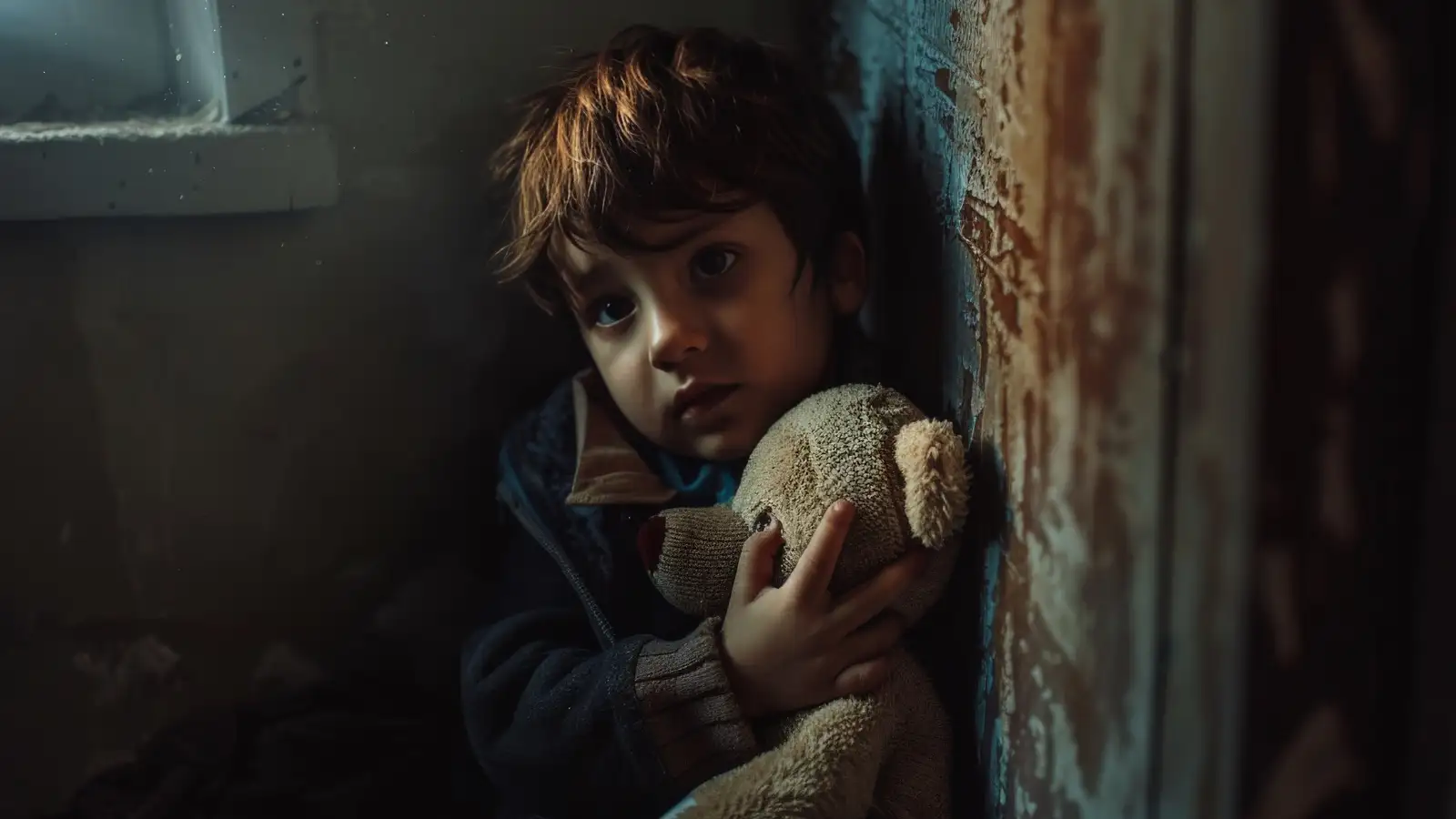
However, developmental psychologists and child protection experts warn that these vague directives are highly ineffective. They fail to stop bad actors and frequently leave children feeling anxious, confused, or entirely unequipped to handle real-world boundaries. Protecting young minds requires shifting away from fear-inducing language toward proactive, empowering strategies.
The primary issue with telling a child to "be careful" is that it lacks actionable clarity. A child does not naturally know what dangers they are supposed to be looking out for, leading to generalized anxiety rather than focused awareness.
Furthermore, statistics show that the vast majority of child safety violations are committed by someone the child already knows such as a relative, neighbor, or family acquaintance rather than a sinister stranger. Teaching children to only fear strangers leaves them highly vulnerable to familiar figures. When safety strategies focus exclusively on the threat of the unknown, children struggle to process uncomfortable behavior from someone they recognize.
To build authentic situational awareness, parents should incorporate distinct, clear safety frameworks into regular family conversations:
You may also like
- Aishwarya Lekshmi's net worth EXPLAINED: How the 'Gatta Kusthi 2' star built a Rs 25-40 crore fortune
- 'India, this is unbelievable': American woman stunned by Mumbai's free home blood test service that costs 10 times more in the US
- Tom Cruise sheds light on long-drawn process of prosthetics and make-up for 'Digger'
- Paresh Rawal on how things went smoothly with Swaroop Sampat: 'Mere jitna naseeb ka balwan aadmi maine nahin dekha hai'
- Heartbreaking! Elephant Seen Confronting JCB In Assam Forest; Viral Video Sparks Outrage
However, developmental psychologists and child protection experts warn that these vague directives are highly ineffective. They fail to stop bad actors and frequently leave children feeling anxious, confused, or entirely unequipped to handle real-world boundaries. Protecting young minds requires shifting away from fear-inducing language toward proactive, empowering strategies.
The Flaw of Vague Warnings and Stranger Danger
The primary issue with telling a child to "be careful" is that it lacks actionable clarity. A child does not naturally know what dangers they are supposed to be looking out for, leading to generalized anxiety rather than focused awareness.
Furthermore, statistics show that the vast majority of child safety violations are committed by someone the child already knows such as a relative, neighbor, or family acquaintance rather than a sinister stranger. Teaching children to only fear strangers leaves them highly vulnerable to familiar figures. When safety strategies focus exclusively on the threat of the unknown, children struggle to process uncomfortable behavior from someone they recognize.
Actionable Tools for True Child Security
To build authentic situational awareness, parents should incorporate distinct, clear safety frameworks into regular family conversations: - Establish Body Autonomy Early: Teach children that their bodies belong entirely to them. They should never be forced to hug or kiss relatives if it makes them uncomfortable. Normalizing the right to say "no" to unwanted physical affection empowers them to set firm boundaries with anyone.
- Normalize Anatomical Terms: Using correct biological names for body parts removes the sense of shame or mystery. If an inappropriate boundary is crossed, a child who knows the correct language can report the incident clearly without confusion.
- The No-Secrets Policy: Bad actors heavily rely on secrecy to isolate children. Parents must create a firm rule that no adult should ever ask them to keep a secret from their mothers or fathers, distinguishing clearly between a fun surprise (like a birthday gift) and an uncomfortable secret.
- Identify a "Safe Adults" Circle: Help your child identify three to five trusted adults outside the immediate household such as a school counselor, a close relative, or a family friend whom they can comfortably approach if something feels wrong.
Fostering an Open Channel of Communication
True safety relies heavily on a child’s absolute certainty that they can report confusing or uncomfortable interactions without facing anger or blame. Parents must actively practice judgment-free listening. If a child comes forward with a weird encounter, leading with a calm, validating response ensures they will continue to communicate openly as they grow older, building a lifelong foundation of trust and inner security.





Loving Newspoint? Download the app now
