
What Is Nautapa? Why India Braces For The Hottest 9 Days Of The Year Every Summer

Every year during peak summer, India experiences a phase that people commonly call “Nautapa.” The word comes from two Hindi words “Nau” meaning nine and “Tapa” meaning heat. Together Nautapa refers to nine extremely hot days of the year. According to traditional beliefs Nautapa begins when the Sun enters the Rohini Nakshatra. In 2026 Nautapa is expected to begin on May 25 and continue till June 2.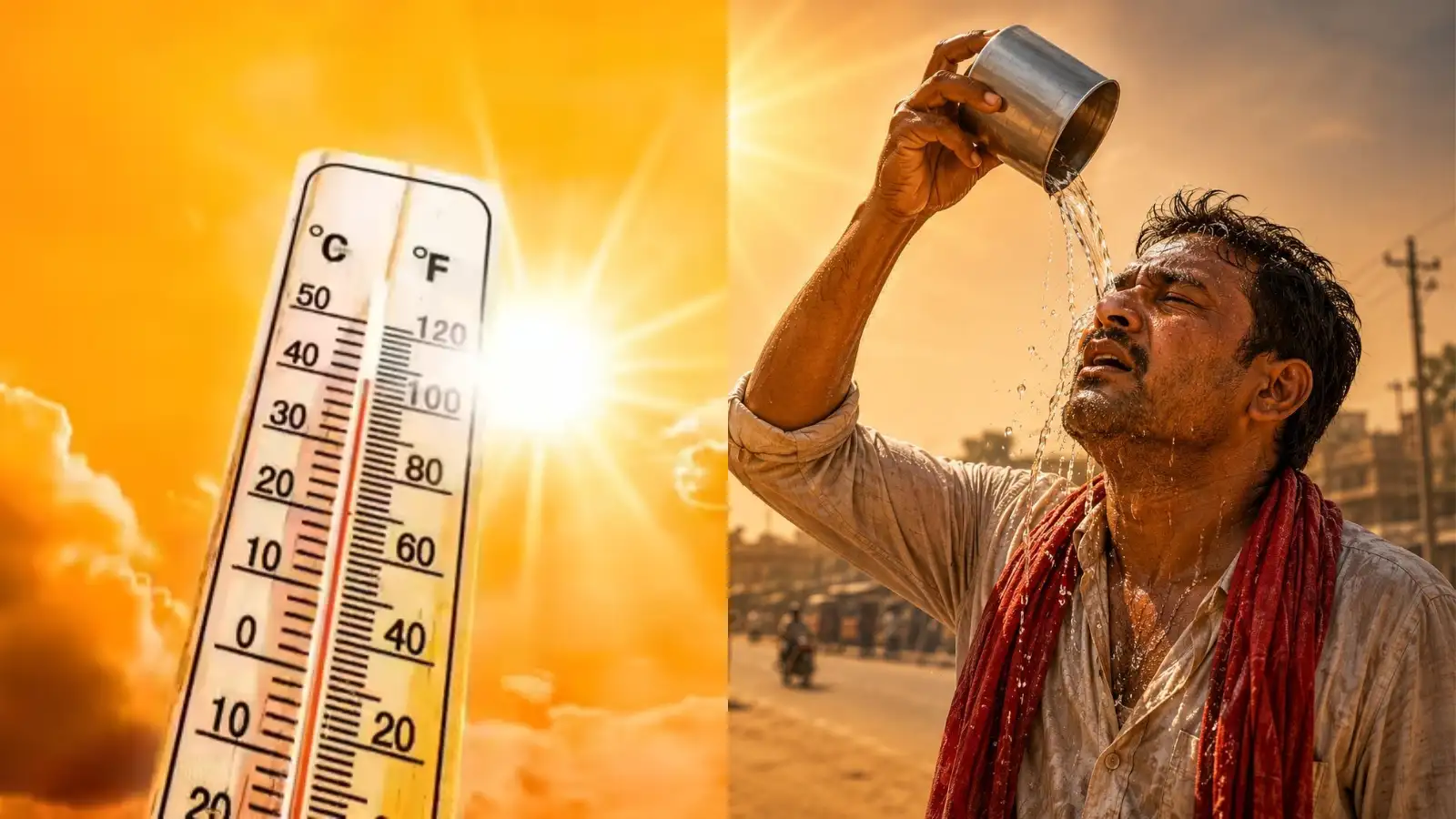
During this period the Sun’s rays fall more directly on the Earth, causing land surfaces to heat rapidly, creating uncomfortable heatwave conditions. Several states including Uttar Pradesh, Rajasthan, Delhi, Haryana, Madhya Pradesh, and Bihar often witness temperatures crossing 45°C during this phase. According to the India Meteorological Department (IMD), heatwaves are declared when temperatures rise significantly above normal for consecutive days. Experts also say climate change and increasing urbanisation are making summers feel more harsh every year with increased construction of buildings and cutting of trees, further adding to the problem.
Also Read: Delhi Under ‘Yellow’ Heatwave Alert: Yellow, Orange, Red - What Different Weather Warning Colours Mean?
Nautapa is not just about feeling sweaty or uncomfortable. Extreme heat can seriously affect health, daily life, and even the environment on a much bigger level.
Health Risks- Doctors warn that prolonged exposure to heat can lead to:
Children, elderly people, outdoor workers, and people with existing illnesses are considered most vulnerable to these.
Its Impact on Daily Life-
Extreme heat also affects:
Experts advise people to take simple but important precautions during this period.
Safety Tips During Extreme Heat-
Many people in India believe that if Nautapa is very intense, the monsoon that follows could be good and beneficial too. The logic behind this comes from the simple idea that stronger heat warms the land and nearby oceans faster which can help in forming clouds and pulling in moisture needed for rainfall. But weather experts say the monsoon is much more complicated than that. Things like wind patterns, sea temperatures, and climate systems such as El Niño also play a big role. So even if summers are extremely hot, it does not always mean heavy rains will follow. Experts have also noticed that because of climate change, heatwaves in India are becoming harsher and weather patterns are getting less predictable year after year.
Nautapa may be an old traditional term, but its effects are very real in modern India. With temperatures climbing every year, understanding heatwaves and staying prepared has become more important than ever. Whether one sees Nautapa through astrology, culture, or science, one thing remains certain that these nine days demand extra care, hydration, and caution.
Why Does Nautapa Feel So Intense?
During this period the Sun’s rays fall more directly on the Earth, causing land surfaces to heat rapidly, creating uncomfortable heatwave conditions. Several states including Uttar Pradesh, Rajasthan, Delhi, Haryana, Madhya Pradesh, and Bihar often witness temperatures crossing 45°C during this phase. According to the India Meteorological Department (IMD), heatwaves are declared when temperatures rise significantly above normal for consecutive days. Experts also say climate change and increasing urbanisation are making summers feel more harsh every year with increased construction of buildings and cutting of trees, further adding to the problem.
Also Read: Delhi Under ‘Yellow’ Heatwave Alert: Yellow, Orange, Red - What Different Weather Warning Colours Mean?
What Harm Can Nautapa Cause?
Nautapa is not just about feeling sweaty or uncomfortable. Extreme heat can seriously affect health, daily life, and even the environment on a much bigger level.
Health Risks- Doctors warn that prolonged exposure to heat can lead to:
- Dehydration
- Heat exhaustion
- Heatstroke
- Dizziness and fainting
- Low blood pressure
- Headaches and fatigue
Children, elderly people, outdoor workers, and people with existing illnesses are considered most vulnerable to these.
You may also like
- "Ready to hand over 27 km of land to BSF for fencing": West Bengal CM Suvendu Adhikari
- Assam CM visits semiconductor plant site at Jagiroad and proposed Mega Industrial Park at Ahatguri
- AxisCades Aerospace keen to invest Rs 6,000 Crore: Karnataka Minister MB Patil
- Amid intense heat conditions, Telangana CM Revanth Reddy appeals to people to remain vigilant, take precautionary measures
- Court sends Colonel Himanshu Bali to 5 days CBI custody in bribe case
Its Impact on Daily Life-
Extreme heat also affects:
- Electricity demand and high bills due to heavy AC and cooler usage
- Water shortages in several cities
- Crop damage and stress on farmers
- Increased risk of forest fires and dry conditions
How Can People Stay Safe During Nautapa?
Experts advise people to take simple but important precautions during this period.
Safety Tips During Extreme Heat-
- Drink plenty of water even if you are not thirsty
- Avoid stepping out between 12 PM and 4 PM
- Wear loose cotton clothes
- Carry ORS or electrolyte drinks
- Avoid too much caffeine or junk food
- Keep homes well ventilated and cool
- Never leave children or pets inside parked vehicles
Will Nautapa Affect the Monsoon?
Many people in India believe that if Nautapa is very intense, the monsoon that follows could be good and beneficial too. The logic behind this comes from the simple idea that stronger heat warms the land and nearby oceans faster which can help in forming clouds and pulling in moisture needed for rainfall. But weather experts say the monsoon is much more complicated than that. Things like wind patterns, sea temperatures, and climate systems such as El Niño also play a big role. So even if summers are extremely hot, it does not always mean heavy rains will follow. Experts have also noticed that because of climate change, heatwaves in India are becoming harsher and weather patterns are getting less predictable year after year.
Nautapa may be an old traditional term, but its effects are very real in modern India. With temperatures climbing every year, understanding heatwaves and staying prepared has become more important than ever. Whether one sees Nautapa through astrology, culture, or science, one thing remains certain that these nine days demand extra care, hydration, and caution.






More from our partners


Loving Newspoint? Download the app now
