
Are You Spending Too Much? 5 Warning Signs To Watch For

In today's digital-first world, spending money has never been easier. With UPI payments, credit cards, buy now pay later services, and one-click shopping, purchasing something takes only a few seconds. The problem is that many people spend without fully realising how much money is leaving their accounts.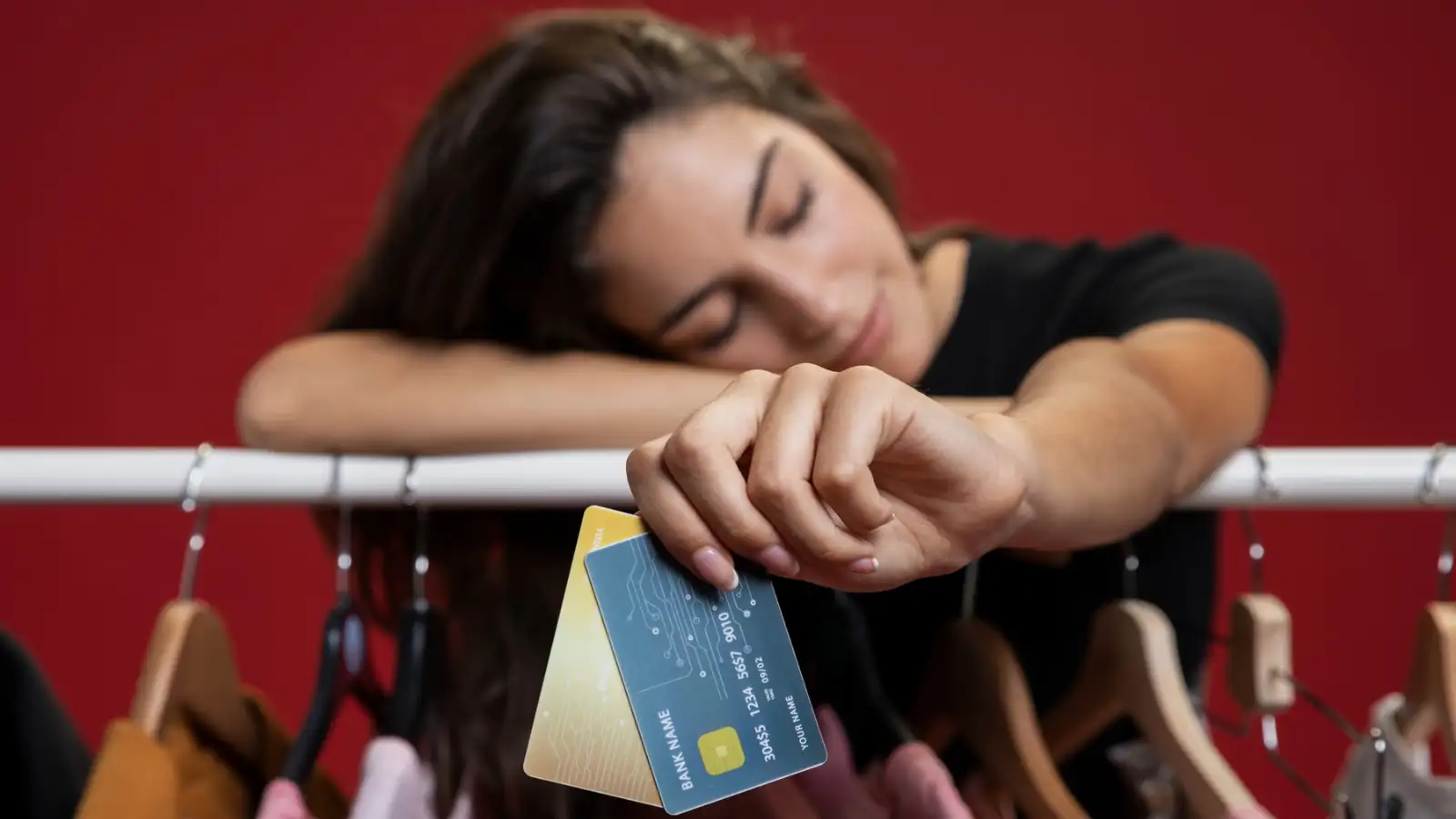
Overspending does not always involve luxury purchases or extravagant lifestyles. Often, it is the result of small, repeated expenses that quietly add up over time. Recognising these signs of overspending early can help you build stronger financial habits and improve your long-term financial health .
This behaviour is often known as microspending. Because each purchase feels minor, people rarely stop to calculate the monthly total.
Also Read: Feeling Mentally Exhausted? These Signs Mean You Need A Study Break
As income rises, many people automatically upgrade their lifestyle rather than increasing savings or investments. This phenomenon is often called lifestyle inflation.
Impulse purchases are among the most common overspending habits today. Social media advertisements, flash sales, and influencer recommendations make it easy to buy things without thinking carefully.
The earlier you identify these signs of overspending, the easier it becomes to make positive changes. Small adjustments today can lead to greater financial freedom tomorrow.
Overspending does not always involve luxury purchases or extravagant lifestyles. Often, it is the result of small, repeated expenses that quietly add up over time. Recognising these signs of overspending early can help you build stronger financial habits and improve your long-term financial health .
1. Your Bank Statement Is Full Of Small Purchases
A quick coffee, a food delivery, an online subscription, or a cab ride may seem insignificant individually. However, these small expenses can accumulate surprisingly fast.This behaviour is often known as microspending. Because each purchase feels minor, people rarely stop to calculate the monthly total.
Why It Happens
Convenience and instant gratification make spending feel effortless. Small purchases trigger a dopamine response that encourages repeat behaviour.When To Be Concerned
If 20 to 30 per cent of your income is regularly spent on non-essential items, it may be a sign of unhealthy spending habits .How To Fix It
Use expense-tracking apps and set a monthly budget for discretionary spending.Also Read: Feeling Mentally Exhausted? These Signs Mean You Need A Study Break
2. Your Credit Card Bill Is Always Higher Than Expected
Many people are shocked when their monthly credit card statement arrives. Purchases made throughout the month often feel smaller because payment is delayed.Why It Happens
Credit cards and buy now pay later schemes reduce the immediate pain of spending.When To Be Concerned
If you regularly pay only the minimum amount due or use more than 30 per cent of your credit limit, it's time to reassess your finances.How To Fix It
Review your spending halfway through the month and avoid using credit cards for everyday purchases whenever possible.3. Your Income Has Increased, But Your Savings Haven't
One of the biggest signs of overspending is earning more money without seeing any growth in savings.As income rises, many people automatically upgrade their lifestyle rather than increasing savings or investments. This phenomenon is often called lifestyle inflation.
Why It Happens
Higher earnings create a temptation to spend more on dining, shopping, gadgets, and entertainment.When To Be Concerned
If you consistently save less than 10 to 20 per cent of your income, your spending may be outpacing your financial growth.How To Fix It
Automate transfers to your savings account as soon as your salary arrives.4. You Frequently Buy Things You Don't Need
Have you ever purchased something simply because it was on sale?Impulse purchases are among the most common overspending habits today. Social media advertisements, flash sales, and influencer recommendations make it easy to buy things without thinking carefully.
You may also like
- 'Dear Guests From India'; why a Swiss hotel's notice shared by Harsh Goenka is sparking a bigger conversation about travel etiquette
- Train News: No Seat Despite Confirmed Ticket? Railways to Pay ₹20,000 Compensation—Know Your Rights
- Dak Seva Gifts: Is India Post Giving Away Gifts in the Name of Rewards? Find Out What the Government Says Before Applying
- Fact of the day: This tiny sea creature can never die of aging
- Solar Panels: Rules for Solar Panels Change from June 1st—Find Out How It Will Impact Your Wallet
Why It Happens
Fear of missing out and limited-time offers create a sense of urgency.When To Be Concerned
If your wardrobe, cupboards, or shelves are filled with unused items, you may be shopping emotionally rather than intentionally.How To Fix It
Follow the 24-hour rule. Wait at least one day before making a non-essential purchase.5. You Spend Everything You Earn
If your account balance reaches near zero before the end of every month, it may indicate that you're living beyond your means.Why It Happens
Easy access to loans, EMIs, and financing options can make expensive purchases seem affordable.When To Be Concerned
If debt repayments exceed 40 per cent of your monthly income or you frequently borrow money before payday, action is needed.How To Fix It
Create a debt repayment plan and prioritise high-interest loans first.Why Monitoring Spending Matters
Good money management is not about avoiding enjoyment. It is about ensuring that your spending aligns with your financial goals. Tracking expenses, building savings, and limiting unnecessary purchases can strengthen your financial future and reduce money-related stress.The earlier you identify these signs of overspending, the easier it becomes to make positive changes. Small adjustments today can lead to greater financial freedom tomorrow.






More from our partners


Loving Newspoint? Download the app now
