
5 Foods To Avoid During Monsoon To Stay Healthy And Prevent Infections

Even thorough washing may not always remove all contaminants, increasing the chances of stomach infections and digestive discomfort.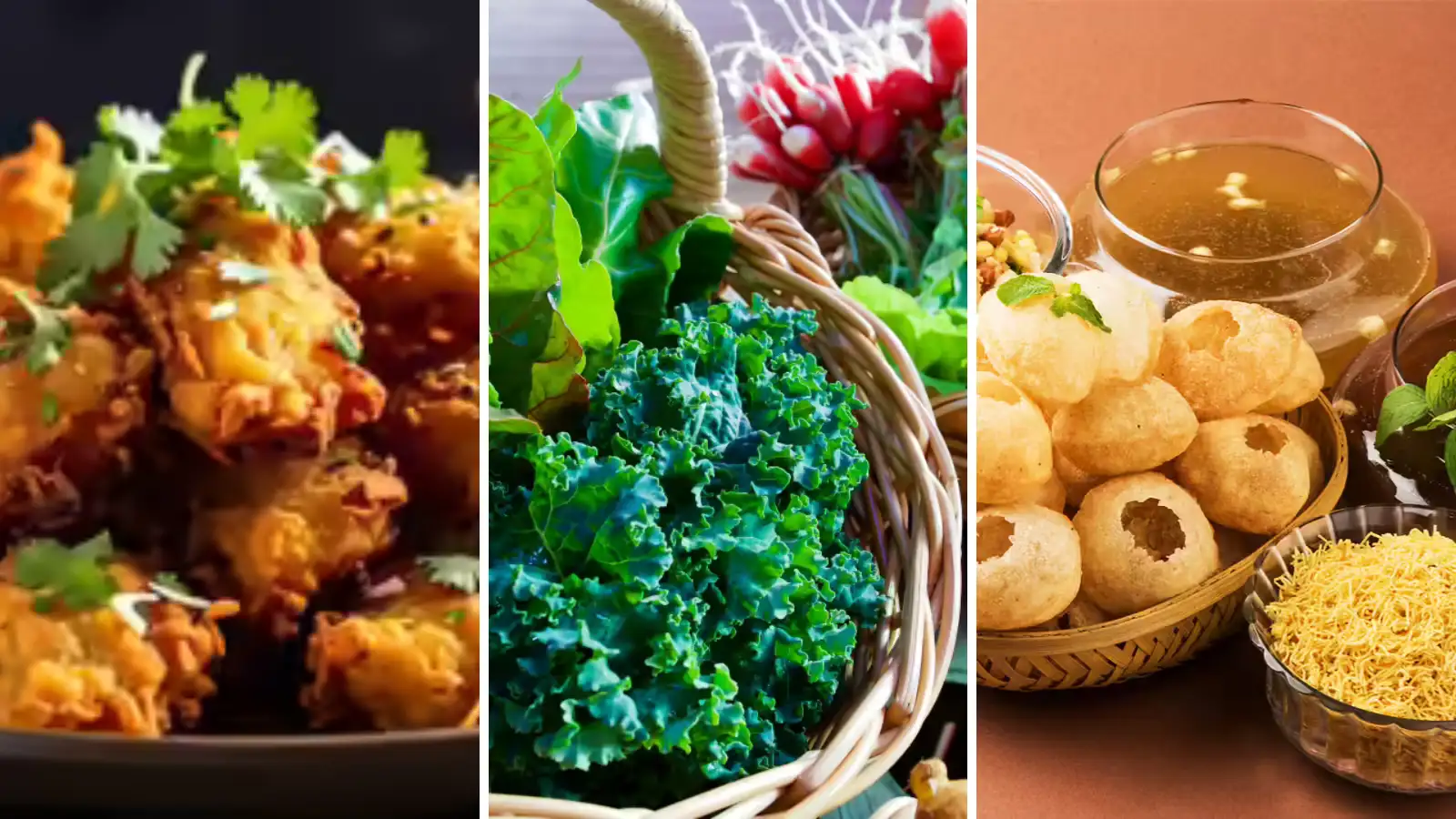
Why The rainy season brings relief from scorching summer temperatures, but it also increases the risk of infections and digestive problems. Foods to avoid during monsoon become an important part of maintaining good health, as high humidity and contaminated water create favourable conditions for bacteria and fungi to grow. While you do not need to make major changes to your diet, being careful about certain foods can help prevent stomach issues, food poisoning and seasonal illnesses. Here are some common foods that are best avoided or consumed with extra caution during the monsoon.
1. Leafy Green Vegetables
Vegetables like spinach, lettuce, cabbage and other leafy greens may appear healthy, but they require extra caution during the rainy season. Due to increased moisture and humidity, these vegetables can easily collect dirt, insects and harmful microorganisms.
Should you avoid them during monsoon?
If you still want to include them in your diet, wash them carefully and cook them properly before consumption.
2. Street Food Like Chaat And Golgappas
Rainy weather often increases cravings for spicy street snacks like chaat, golgappas, samosas and other roadside delicacies. However, these foods carry a higher risk of contamination during the monsoon.
The use of unsafe water, improper storage and unhygienic preparation methods can make street food a source of harmful bacteria.
Why should you avoid them during monsoon?
It is better to enjoy freshly prepared snacks at home during this season.
3. Fish And Seafood
Monsoon is often considered a challenging period for seafood consumption as many fish species enter their breeding season. During this time, ensuring the freshness and quality of seafood can become difficult.
Eating improperly stored or undercooked fish and seafood may increase the risk of bacterial infections and digestive problems.
Why should you avoid them during monsoon?
If consuming seafood, always choose fresh options and ensure they are cooked thoroughly.
4. Pre-Cut Fruits
Pre-cut fruits may look convenient, but they can become unsafe during the rainy season. Exposure to humidity, dust and flies can cause cut fruits to spoil quickly and become a breeding ground for bacteria.
Why should you avoid them during monsoon?
The safer choice is to buy fresh fruits and cut them at home just before eating.
5. Deep-Fried And Oily Foods
Rainy days often make people crave hot and crispy snacks like pakoras, samosas and other fried foods. While eating them occasionally is fine, frequent consumption can affect digestion during humid weather.
Heavy and oily foods take longer to digest and may trigger acidity, bloating and discomfort.
Why should you avoid them during monsoon?
Instead, choose lighter snacks prepared with fresh ingredients to stay energetic during the rainy season.
Following a healthy diet during monsoon does not mean giving up all your favourite foods. The key is to make smarter choices and avoid items that have a higher risk of contamination. By limiting leafy greens, street food, seafood, pre-cut fruits and oily snacks, you can protect your digestive health and enjoy the rainy season without unnecessary health concerns.
Why The rainy season brings relief from scorching summer temperatures, but it also increases the risk of infections and digestive problems. Foods to avoid during monsoon become an important part of maintaining good health, as high humidity and contaminated water create favourable conditions for bacteria and fungi to grow. While you do not need to make major changes to your diet, being careful about certain foods can help prevent stomach issues, food poisoning and seasonal illnesses. Here are some common foods that are best avoided or consumed with extra caution during the monsoon.
1. Leafy Green Vegetables
Vegetables like spinach, lettuce, cabbage and other leafy greens may appear healthy, but they require extra caution during the rainy season. Due to increased moisture and humidity, these vegetables can easily collect dirt, insects and harmful microorganisms.
Should you avoid them during monsoon?
- Leafy vegetables are more prone to bacterial contamination.
- Mud, insects and germs can stick between their leaves.
- Improper cleaning may lead to stomach-related illnesses.
If you still want to include them in your diet, wash them carefully and cook them properly before consumption.
2. Street Food Like Chaat And Golgappas
Rainy weather often increases cravings for spicy street snacks like chaat, golgappas, samosas and other roadside delicacies. However, these foods carry a higher risk of contamination during the monsoon.
The use of unsafe water, improper storage and unhygienic preparation methods can make street food a source of harmful bacteria.
Why should you avoid them during monsoon?
- Contaminated water used in chutneys and preparations can cause infections.
- Food exposed to humid weather spoils faster.
- Poor hygiene practices increase the risk of food poisoning.
It is better to enjoy freshly prepared snacks at home during this season.
3. Fish And Seafood
Monsoon is often considered a challenging period for seafood consumption as many fish species enter their breeding season. During this time, ensuring the freshness and quality of seafood can become difficult.
Eating improperly stored or undercooked fish and seafood may increase the risk of bacterial infections and digestive problems.
You may also like
- What 'chemical-free' really means in hair colour
- Boil lemon peels with bay leaves at home: What it's for and its benefits
- Parents tie young son to door frame to 'Make Him Taller'; Viral video sparks outrage and debate over harmful parenting myths
- Harnessing Natural Ingredients for Radiant Skin
- DU Admission 2026: DU launches admissions for one-year PG programs for the first time; register by July 11..
Why should you avoid them during monsoon?
- Seafood can spoil quickly in humid conditions.
- Poor storage increases bacterial growth.
- Undercooked seafood may lead to food poisoning.
If consuming seafood, always choose fresh options and ensure they are cooked thoroughly.
4. Pre-Cut Fruits
Pre-cut fruits may look convenient, but they can become unsafe during the rainy season. Exposure to humidity, dust and flies can cause cut fruits to spoil quickly and become a breeding ground for bacteria.
Why should you avoid them during monsoon?
- Cut fruits lose freshness faster.
- They may be exposed to contaminated surfaces.
- Flies and insects can transfer harmful germs.
The safer choice is to buy fresh fruits and cut them at home just before eating.
5. Deep-Fried And Oily Foods
Rainy days often make people crave hot and crispy snacks like pakoras, samosas and other fried foods. While eating them occasionally is fine, frequent consumption can affect digestion during humid weather.
Heavy and oily foods take longer to digest and may trigger acidity, bloating and discomfort.
Why should you avoid them during monsoon?
- They can slow down digestion.
- Excess oil may cause acidity and stomach issues.
- Regular consumption can make you feel tired and sluggish.
Instead, choose lighter snacks prepared with fresh ingredients to stay energetic during the rainy season.
Following a healthy diet during monsoon does not mean giving up all your favourite foods. The key is to make smarter choices and avoid items that have a higher risk of contamination. By limiting leafy greens, street food, seafood, pre-cut fruits and oily snacks, you can protect your digestive health and enjoy the rainy season without unnecessary health concerns.






Loving Newspoint? Download the app now
