
5 Low-Calorie Fruits To Keep Your Monsoon Diet Healthy

The arrival of the monsoon brings cooler weather and much-needed relief from the summer heat. However, it also marks the season when digestive problems, waterborne illnesses and infections become more common. This makes it important to follow a balanced monsoon diet filled with fresh, nutritious foods.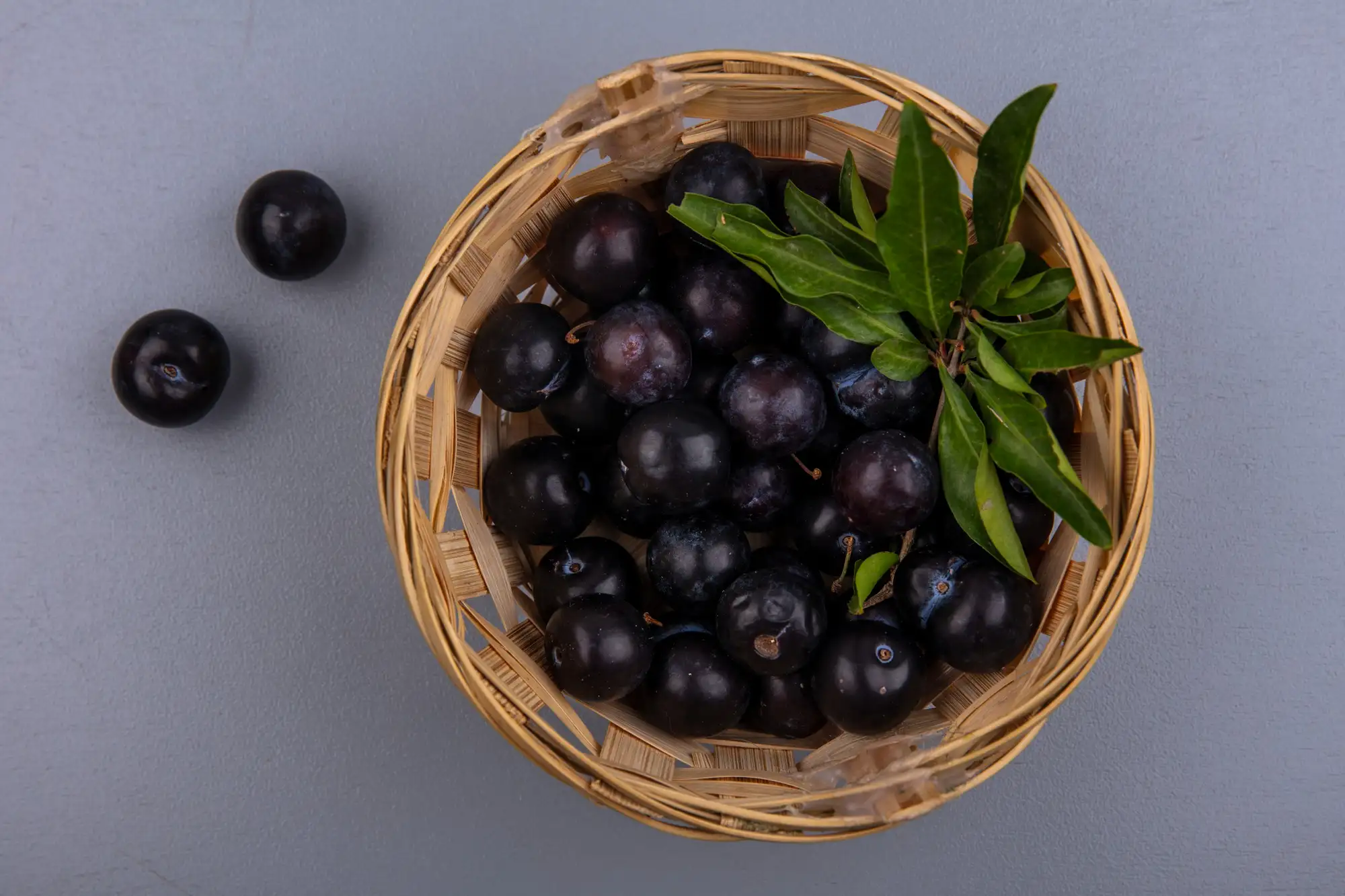
Nutrition experts often recommend including low-calorie fruits in your daily meals. These fruits are packed with vitamins, minerals, fibre and antioxidants that help support digestion, strengthen immunity and keep the body hydrated. If you are looking for healthy and refreshing options this rainy season, here are five fruits worth adding to your plate.
It contains papain, a natural enzyme that supports healthy digestion and may help reduce bloating. Rich in vitamins A and C, papaya also provides antioxidants that contribute to immune health and healthy-looking skin. Its low calorie content makes it an excellent choice for those following a weight management plan.
Also Read: 5 Traditional Indian Foods And Drinks Made Better With Honey
It is packed with vitamin C, dietary fibre and antioxidants, making it one of the best immunity boosting fruits for the rainy season. The high fibre content helps promote fullness, reducing unnecessary snacking while supporting healthy digestion. Its relatively low glycaemic index also makes it a better alternative to sugary processed snacks.
They contain pectin, a type of soluble fibre that supports digestion and helps maintain healthy cholesterol levels. Naturally low in calories, apples also provide lasting satiety, making them an ideal fruit for anyone aiming to maintain a healthy weight during the monsoon.
Their high water content helps maintain hydration, while dietary fibre supports healthy digestion and may help prevent constipation. Pears are also a good source of vitamin C and potassium, nutrients that contribute to overall wellbeing during changing weather conditions.
It contains antioxidants, vitamin C, iron and beneficial plant compounds that help protect cells from oxidative stress. Jamun is also commonly included in balanced diets because it may support healthy blood sugar levels when consumed in moderation.
Also Read: What Happens to Your Body If You Eat Protein Bars Every Day?
Combined with good hygiene practices and a balanced diet, these nutritious fruits can help you enjoy the monsoon season while supporting your overall wellbeing.
Nutrition experts often recommend including low-calorie fruits in your daily meals. These fruits are packed with vitamins, minerals, fibre and antioxidants that help support digestion, strengthen immunity and keep the body hydrated. If you are looking for healthy and refreshing options this rainy season, here are five fruits worth adding to your plate.
1. Papaya: A Natural Digestive Booster
Papaya is one of the best healthy monsoon fruits because it is light on the stomach and easy to digest.It contains papain, a natural enzyme that supports healthy digestion and may help reduce bloating. Rich in vitamins A and C, papaya also provides antioxidants that contribute to immune health and healthy-looking skin. Its low calorie content makes it an excellent choice for those following a weight management plan.
Also Read: 5 Traditional Indian Foods And Drinks Made Better With Honey
2. Guava: Rich In Vitamin C
Guava is a nutritional powerhouse that offers impressive health benefits despite being low in calories.It is packed with vitamin C, dietary fibre and antioxidants, making it one of the best immunity boosting fruits for the rainy season. The high fibre content helps promote fullness, reducing unnecessary snacking while supporting healthy digestion. Its relatively low glycaemic index also makes it a better alternative to sugary processed snacks.
3. Apple: A Daily Healthy Habit
Apples remain one of the most popular choices for a balanced healthy eating routine.They contain pectin, a type of soluble fibre that supports digestion and helps maintain healthy cholesterol levels. Naturally low in calories, apples also provide lasting satiety, making them an ideal fruit for anyone aiming to maintain a healthy weight during the monsoon.
You may also like
4. Pear: High In Fibre And Hydration
Pears are another excellent addition to a monsoon diet.Their high water content helps maintain hydration, while dietary fibre supports healthy digestion and may help prevent constipation. Pears are also a good source of vitamin C and potassium, nutrients that contribute to overall wellbeing during changing weather conditions.
5. Jamun: A Seasonal Favourite
Available mainly during the rainy season, jamun is among the most nutritious seasonal fruits .It contains antioxidants, vitamin C, iron and beneficial plant compounds that help protect cells from oxidative stress. Jamun is also commonly included in balanced diets because it may support healthy blood sugar levels when consumed in moderation.
Also Read: What Happens to Your Body If You Eat Protein Bars Every Day?
Simple Monsoon Fruit Safety Tips
To enjoy the benefits of monsoon nutrition , it is equally important to follow proper food hygiene.- Wash fruits thoroughly under clean running water before eating.
- Avoid buying pre-cut fruits from roadside vendors or open markets.
- Replace packaged sugary snacks with fresh seasonal fruits.
- Store fruits properly to prevent fungal contamination.
- Consume fruits in moderation as part of a balanced diet.
Stay Healthy With Seasonal Fruits
Adding low-calorie fruits to your daily meals is one of the easiest ways to support your health during the rainy season. Fruits such as papaya, guava, apple, pear and jamun provide essential nutrients while helping with digestion, hydration and immunity.Combined with good hygiene practices and a balanced diet, these nutritious fruits can help you enjoy the monsoon season while supporting your overall wellbeing.






Loving Newspoint? Download the app now
