
5 Royal Palace Hotels in India Where You Can Live Like a Maharaja

Following the political transitions of the mid-20th century, many of India's royal families faced a major challenge: how to maintain their massive ancestral estates, sprawling courtyards, and intricate stone facades. The solution gave rise to India's premium heritage tourism industry.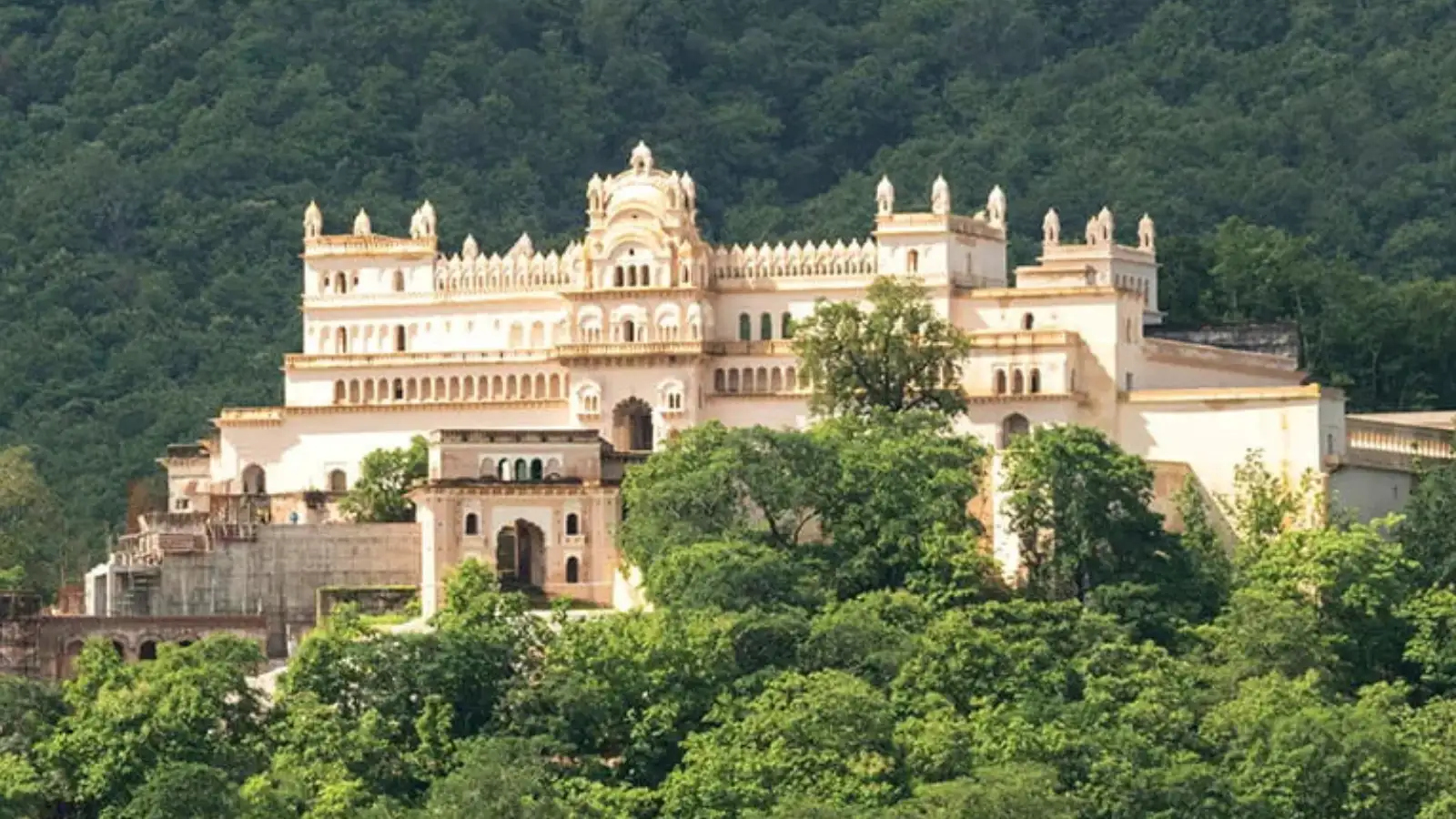
By partnering with luxury hospitality chains, several maharajas converted their private residences into living museums. Today, these locations allow travelers to walk under original crystal chandeliers, stroll through symmetrical Mughal gardens, and experience the exact hospitality once reserved for kings and queens.
Guests arrive at the property via a private boat ride across the water, greeted by a shower of rose petals. The palace gained global pop-culture fame when it was featured as a primary filming location in the 1983 James Bond classic, Octopussy.
The property is uniquely split into three distinct zones: a luxury wing managed by Taj Hotels, a private museum tracing the royal family's history , and the ultra-private residential quarters of the current Maharaja of Jodhpur, Gaj Singh, and his family.
The estate is famous for its vast, manicured lawns where peacocks stroll freely alongside guests. Its internal suites are opulence personified, decorated with heavy silk drapes, authentic period furniture, and hand-carved marble pillars that reflect the peak of Rajput architecture.
The palace features a unique scorpion-shaped layout designed by an Italian architect, blending Western neoclassical style with traditional Islamic lines. Its crown jewel is the legendary Grand Dining Hall, which houses a single solid oak dining table capable of seating 101 guests simultaneously under massive, gold-gilded ceilings.
While it lacks the sprawling desert fortifications found in Rajasthan, it makes up for it with sheer stately elegance. The hotel features a vast central quadrant pool, towering columns, and grand ballroom spaces that have hosted global dignitaries, secret wartime meetings, and high-society galas for over a century.
By partnering with luxury hospitality chains, several maharajas converted their private residences into living museums. Today, these locations allow travelers to walk under original crystal chandeliers, stroll through symmetrical Mughal gardens, and experience the exact hospitality once reserved for kings and queens.
1. Taj Lake Palace, Udaipur (Rajasthan)
Floating like a white marble mirage in the middle of Lake Pichola , the Taj Lake Palace is arguably one of the most romantic hotels in the world. Built in 1746 by Maharana Jagat Singh II as a summer pleasure palace, the structure features intricate glasswork, majestic archways, and stunning internal courtyards.Guests arrive at the property via a private boat ride across the water, greeted by a shower of rose petals. The palace gained global pop-culture fame when it was featured as a primary filming location in the 1983 James Bond classic, Octopussy.
2. Umaid Bhawan Palace, Jodhpur (Rajasthan)
Perched high above the desert city of Jodhpur, Umaid Bhawan Palace is one of the world's largest private residences. Built between 1928 and 1943 using golden Chittar sandstone, the palace features a massive 105-foot-high central dome inspired by the Art Deco style popular in Europe at the time.You may also like
- Healthy Heart Diet Tips: What should heart patients eat for breakfast? Here's a list for the entire week.
- How Paris got its name long before it became France's capital
- Best Time To Eat Watermelon: Are you eating watermelon at the wrong time? It could increase your risk of stomach ailments!
- Burnt Body Postmortem: How is a postmortem performed on a burnt body? Learn what and how doctors can see in a disfigured body.
- Vitamin B12 Deficiency: These symptoms in the feet indicate a vitamin B12 deficiency; consult a doctor immediately.
The property is uniquely split into three distinct zones: a luxury wing managed by Taj Hotels, a private museum tracing the royal family's history , and the ultra-private residential quarters of the current Maharaja of Jodhpur, Gaj Singh, and his family.
3. Rambagh Palace, Jaipur (Rajasthan)
Often referred to as the "Jewel of Jaipur," Rambagh Palace originally served as a royal hunting lodge in 1835 before expanding into the primary residence of Maharaja Sawai Man Singh II and his legendary queen, Maharani Gayatri Devi.The estate is famous for its vast, manicured lawns where peacocks stroll freely alongside guests. Its internal suites are opulence personified, decorated with heavy silk drapes, authentic period furniture, and hand-carved marble pillars that reflect the peak of Rajput architecture.
4. Taj Falaknuma Palace, Hyderabad (Telangana)
Sitting 2,000 feet above the historic city of Hyderabad, the Falaknuma Palace whose name translates literally to "Mirror of the Sky" was built in 1893 and later served as the grand residence of the Nizam of Hyderabad, once considered the richest man in the world.The palace features a unique scorpion-shaped layout designed by an Italian architect, blending Western neoclassical style with traditional Islamic lines. Its crown jewel is the legendary Grand Dining Hall, which houses a single solid oak dining table capable of seating 101 guests simultaneously under massive, gold-gilded ceilings.
5. The Oberoi Grand, Kolkata (West Bengal)
Affectionately known as the "Grand Dame of Chowringhee," this iconic neoclassical property has stood as a symbol of luxury in Eastern India since the British colonial era.While it lacks the sprawling desert fortifications found in Rajasthan, it makes up for it with sheer stately elegance. The hotel features a vast central quadrant pool, towering columns, and grand ballroom spaces that have hosted global dignitaries, secret wartime meetings, and high-society galas for over a century.






More from our partners


Loving Newspoint? Download the app now
