
Why Gen Z Uses Emojis at Work to Make Office Communication Friendlier

Communication in the modern office has moved away from formal emails and toward real-time messaging platforms like Slack, Microsoft Teams, and WhatsApp. However, this transition brings a major challenge: without facial expressions, vocal tone, or body language, short text messages can easily sound curt, tense, or critical.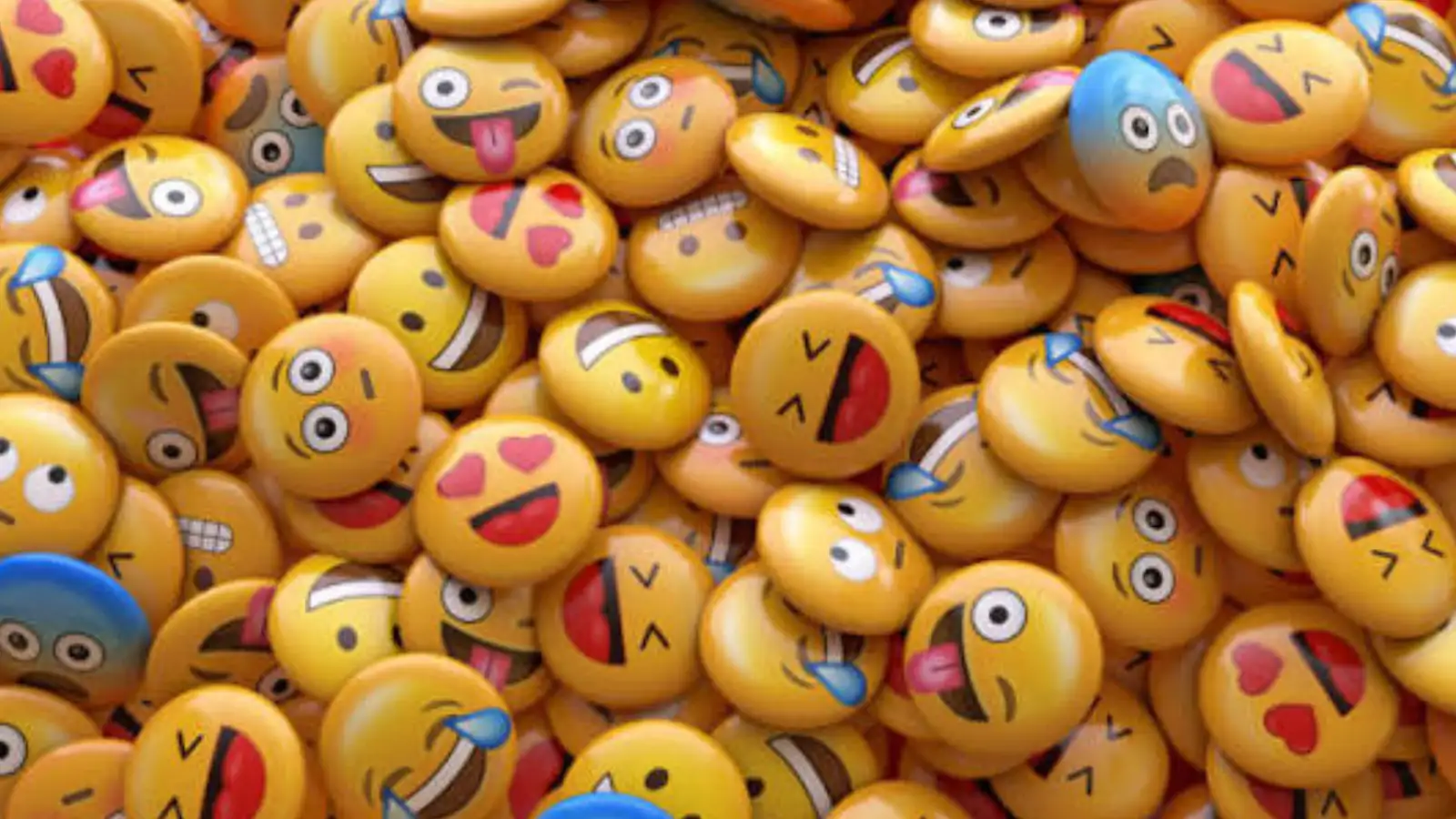
For the newest generation entering the workforce, plain text especially messages ending with a simple period is often interpreted as passive-aggressive or cold. To bridge this gap, Gen Z professionals rely on a simple visual solution: using emojis as a deliberate tool to clarify tone and soften constructive feedback.
This practice is especially popular when delivering feedback or requesting quick edits. By adding a friendly visual, employees ensure that constructive notes are received as helpful collaboration rather than harsh criticism.
While visual over-use can occasionally lead to confusion across mixed-age teams, the core intent remains constructive: making daily interactions clearer, kinder, and less open to misinterpretation.
For the newest generation entering the workforce, plain text especially messages ending with a simple period is often interpreted as passive-aggressive or cold. To bridge this gap, Gen Z professionals rely on a simple visual solution: using emojis as a deliberate tool to clarify tone and soften constructive feedback.
Why "Just Text" Feels Too Hostile
Older generations often view emojis as informal extras better suited for personal chats than professional discussions. In contrast, Gen Z workers view them as necessary emotional punctuation. A message like "Please review this document." can feel sharp or micro-managing. Adding a small visual touch such as "Please review this document 😊" signals warmth and reassures the recipient that there is no hidden frustration behind the request.You may also like
- Ranbir Kapoor And Yash's Powerful Ramayana Dialogues Grab Attention
- Text Neck Syndrome: Mobile addiction is making the neck old, know how?
- Three health checkups a year can reduce hospital costs, reveals report.
- Robotic Valve Replacement: Safdarjung sets world record, performs unique heart surgery with robot
- Ram Kapoor Opens Up About His Struggles on Lock Upp: A Journey Through Depression and Redemption
This practice is especially popular when delivering feedback or requesting quick edits. By adding a friendly visual, employees ensure that constructive notes are received as helpful collaboration rather than harsh criticism.
The Visual Code: What Different Emojis Mean at Work
Not all emojis carry the same meaning in corporate channels, and young professionals navigate a distinct set of unspoken rules:- Slight Smile (🙂): Often avoided or used cautiously, as Gen Z frequently views the basic static smile as sarcastic or strained.
- Sparkles (✨) & Hands Up (🙌): Used to celebrate team wins, highlight good work, or soften direct requests.
- Thumbs Up (👍): Frequently replaced by younger staff with heart or checkmark reactions, as a plain thumbs-up can feel dismissive or abrupt.
- Folded Hands (🙏): Used to show sincere gratitude or request a quick favor politely.
Bridging the Intergenerational Communication Gap
As Gen Z fills an increasing proportion of corporate roles, their preferred communication style is prompting broader conversations about office norms. Managers and team leads are recognizing that visual cues reduce anxiety in remote and hybrid environments, where employees cannot pop by a desk to gauge a colleague's mood.While visual over-use can occasionally lead to confusion across mixed-age teams, the core intent remains constructive: making daily interactions clearer, kinder, and less open to misinterpretation.






Loving Newspoint? Download the app now
