
9 Incredible Animals That Can Detach Their Own Body Parts

Nature is full of incredible survival tactics, but few are as remarkable as self-amputation. While most animals escape danger by running, hiding or fighting, some have evolved the extraordinary ability to sacrifice parts of their own bodies to stay alive. This behaviour, known as autotomy in many species, distracts predators and gives the animal precious seconds to escape.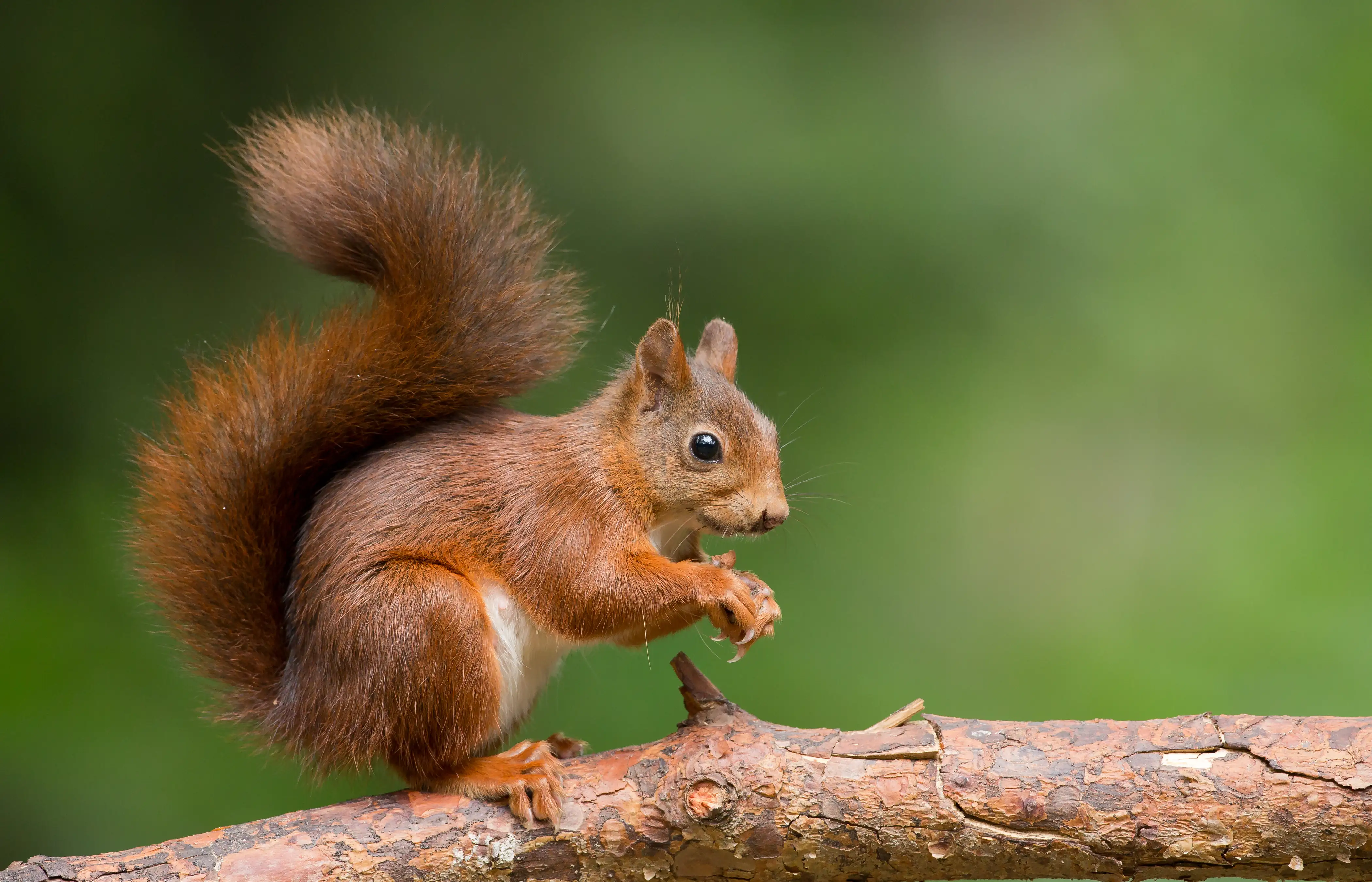
Even more astonishing, several of these animals that regrow body parts can replace what they lose over time. Here are nine fascinating examples of animal survival adaptations that highlight nature's remarkable resilience.
This movement distracts predators while the gecko escapes. Although the tail stores valuable fat reserves, survival takes priority. Over time, the gecko grows a new tail, though it is often shorter and differs slightly from the original.
The replacement tail eventually grows back but is made largely of cartilage rather than bone.
The severed limb continues twitching for over an hour, distracting predators while the harvestman escapes. Unlike many reptiles, however, adult harvestmen cannot regrow lost legs.
Although the missing limb gradually regenerates, the temporary loss can make feeding and defending itself more difficult.
Some detached arms continue moving, distracting attackers. In certain species, a single arm containing part of the central disc can even develop into an entirely new sea star.
When attacked, they eject parts of their internal organs through their mouth or anus. The sticky mass distracts or entangles predators, allowing the sea cucumber to crawl away. Remarkably, the lost organs regenerate within several weeks.
Also Read: Which Animals Sleep The Least? Here's The Answer
The severed arm continues moving because of its independent nerve cells, creating a valuable distraction while the octopus escapes. The missing portion is eventually regenerated.
The detached limb twists and writhes, keeping the predator occupied while the brittle star hides beneath rocks or sand. A new arm gradually grows back over the following weeks or months.
Unlike tail dropping lizards, squirrels cannot regrow a new tail. The remaining tail eventually dries up and falls away, making this a permanent sacrifice that may affect balance and communication.
Also Read: 9 Insects That Look Like Wasps But Are Safe Around Humans
From reptiles and marine creatures to mammals, these fascinating animals demonstrate that survival sometimes requires giving up a part of yourself today to live another day.
Even more astonishing, several of these animals that regrow body parts can replace what they lose over time. Here are nine fascinating examples of animal survival adaptations that highlight nature's remarkable resilience.
1. Leopard Gecko
The leopard gecko is one of the best-known examples of tail dropping lizards . When threatened, it can detach its tail, which continues wriggling on the ground for several minutes.This movement distracts predators while the gecko escapes. Although the tail stores valuable fat reserves, survival takes priority. Over time, the gecko grows a new tail, though it is often shorter and differs slightly from the original.
2. Blue-Tongued Skink
Like many other lizards, blue-tongued skinks rely on self amputation in animals as a defence mechanism. Their tails break away at specialised fracture points, allowing a quick escape.The replacement tail eventually grows back but is made largely of cartilage rather than bone.
3. Harvestman (Daddy Longlegs)
Harvestmen are not true spiders, but they possess an impressive escape strategy. When captured, they can detach one of their long legs.The severed limb continues twitching for over an hour, distracting predators while the harvestman escapes. Unlike many reptiles, however, adult harvestmen cannot regrow lost legs.
4. Sally Lightfoot Crab
The colourful Sally Lightfoot crab can sacrifice both legs and claws when attacked. Specialised joints reduce blood loss, allowing the crab to survive.Although the missing limb gradually regenerates, the temporary loss can make feeding and defending itself more difficult.
5. Sea Star
Sea stars are famous among animals that regrow body parts. When threatened, they can shed one or more arms to escape predators.Some detached arms continue moving, distracting attackers. In certain species, a single arm containing part of the central disc can even develop into an entirely new sea star.
6. Sea Cucumber
Sea cucumbers use one of the most unusual animal defence mechanisms in the natural world.When attacked, they eject parts of their internal organs through their mouth or anus. The sticky mass distracts or entangles predators, allowing the sea cucumber to crawl away. Remarkably, the lost organs regenerate within several weeks.
You may also like
- From lullabies to careers: Keeping screens aside
- Underarm odor: Do you often experience the smell of sweat in your armpits? This simple trick while showering will eliminate the odor problem
- A balcony filled with butterflies asks us to notice small miracles – something difficult to find in our world
- Top 8 Mehendi Designs to Embrace This Monsoon Season
- Mirabai Chanu, a tea seller's daughter, who carried firewood on her head through forest trails, has today won first gold for India at the Commonwealth Games: The inspiring story of a girl whose first barbell was a bamboo stick
Also Read: Which Animals Sleep The Least? Here's The Answer
7. California Two-Spot Octopus
The California two-spot octopus can intentionally detach part of one of its arms during a predator attack.The severed arm continues moving because of its independent nerve cells, creating a valuable distraction while the octopus escapes. The missing portion is eventually regenerated.
8. Brittle Star
Closely related to sea stars, brittle stars can instantly shed an arm if grabbed by a predator.The detached limb twists and writhes, keeping the predator occupied while the brittle star hides beneath rocks or sand. A new arm gradually grows back over the following weeks or months.
9. Squirrel
Squirrels use a slightly different survival tactic known as tail degloving. If a predator grabs the tail, the skin and fur can slip away from the underlying bone, allowing the squirrel to escape.Unlike tail dropping lizards, squirrels cannot regrow a new tail. The remaining tail eventually dries up and falls away, making this a permanent sacrifice that may affect balance and communication.
Also Read: 9 Insects That Look Like Wasps But Are Safe Around Humans
Nature's Extraordinary Survival Strategy
The ability to sacrifice body parts is one of the most remarkable animal survival adaptations found in nature. While losing a limb or tail may seem extreme, these sacrifices often mean the difference between life and death.From reptiles and marine creatures to mammals, these fascinating animals demonstrate that survival sometimes requires giving up a part of yourself today to live another day.






Loving Newspoint? Download the app now
