
9 Insects That Look Like Wasps But Are Safe Around Humans

Bright yellow-and-black stripes are often associated with painful stings, causing many people to instinctively avoid insects that wear these warning colours. However, not every striped insect is a wasp. In fact, several bugs that look like wasps are completely harmless and rely on their appearance purely for protection.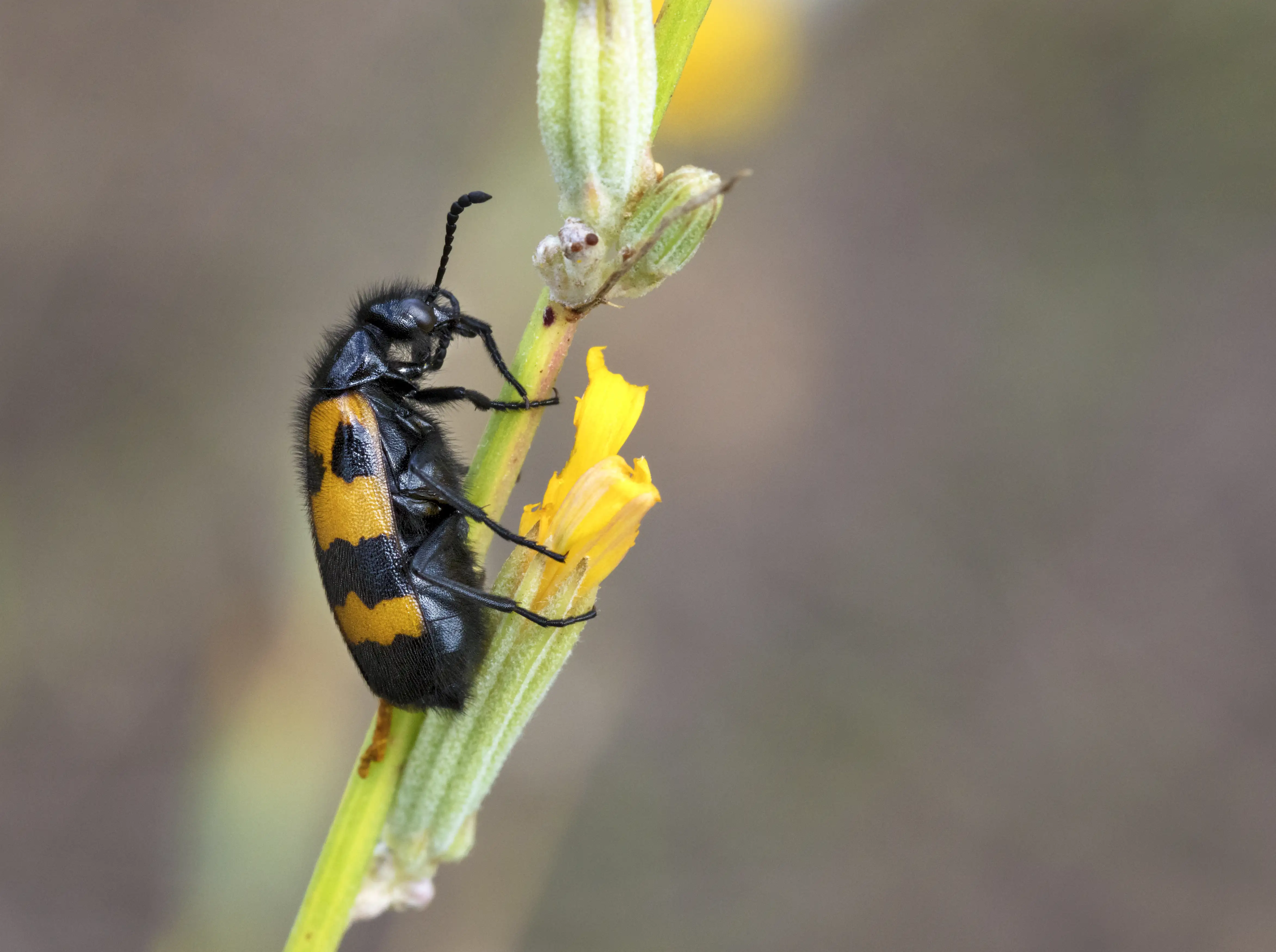
This fascinating survival technique is known as Batesian mimicry , where harmless species imitate dangerous ones to discourage predators. By copying a wasp's colours, body shape and even flying style, these insects avoid becoming an easy meal despite having no sting of their own.
Here are nine impressive wasp look alike bugs that prove appearances can be deceiving.
This clever form of Batesian mimicry is one of nature's most successful survival adaptations.
They have only one pair of wings, unlike wasps, which have two. Their oversized compound eyes and ability to hover motionless before darting away are also key identifying features.
Also Read: Why Some Plants And Insects Depend On Ants To Survive
Their slender yellow-and-black bodies and daytime activity make them one of the most convincing insects that mimic wasps , despite being completely harmless.
Although its colours closely resemble a wasp's warning pattern, it is actually a harmless beetle that depends on mimicry for protection.
They have just one pair of wings and fold them neatly over their backs while resting. Their narrow waist and bright markings create an impressive wasp-like illusion.
Despite their appearance, these flies feed on nectar using a long tube-like mouthpart and pose no threat to humans.
Although they are fierce predators in the insect world, they are generally harmless to people and play a beneficial role in controlling insect populations.
However, this is not a stinger. It is an egg-laying organ called an ovipositor, which females use to lay eggs inside trees.
Its yellow-and-black body disguises a skilled predator that feeds on smaller insects rather than defending itself with a sting.
Despite its size and wasp-like colouring, it cannot sting and depends entirely on mimicry to keep predators away.
Also Read: 4 Deadliest Insects in the World That Can Kill Humans: Venom, Bites, and Disease Risks Explained
Flies have only one pair of wings, while true wasps have two. Many flies also have much larger eyes and shorter antennae than wasps. Behaviour offers another clue. Hoverflies frequently remain suspended in mid-air before darting away, something real wasps rarely do.
This fascinating survival technique is known as Batesian mimicry , where harmless species imitate dangerous ones to discourage predators. By copying a wasp's colours, body shape and even flying style, these insects avoid becoming an easy meal despite having no sting of their own.
Here are nine impressive wasp look alike bugs that prove appearances can be deceiving.
Why Do Harmless Insects Mimic Wasps?
Real wasps advertise their painful sting with bold warning colours, a defence strategy called aposematism. Harmless insects have evolved to imitate these colours and patterns, making predators think twice before attacking them.This clever form of Batesian mimicry is one of nature's most successful survival adaptations.
1. Hoverflies
Among the most convincing harmless insects, hoverflies are often mistaken for yellowjackets.They have only one pair of wings, unlike wasps, which have two. Their oversized compound eyes and ability to hover motionless before darting away are also key identifying features.
Also Read: Why Some Plants And Insects Depend On Ants To Survive
2. Clearwing Moths
Unlike most moths, clearwing moths have transparent wings that resemble those of a wasp.Their slender yellow-and-black bodies and daytime activity make them one of the most convincing insects that mimic wasps , despite being completely harmless.
3. Wasp Beetles
The wasp beetle carries striking yellow-and-black markings across its hard wing covers.Although its colours closely resemble a wasp's warning pattern, it is actually a harmless beetle that depends on mimicry for protection.
4. Soldier Flies
Soldier flies are another excellent example of wasp mimic species.They have just one pair of wings and fold them neatly over their backs while resting. Their narrow waist and bright markings create an impressive wasp-like illusion.
5. Wasp-Mimicking Bee Flies
Some bee flies have evolved to resemble thread-waisted wasps rather than bees.Despite their appearance, these flies feed on nectar using a long tube-like mouthpart and pose no threat to humans.
6. Robber Flies
Robber flies are skilled hunters of other insects and often resemble bees or wasps.Although they are fierce predators in the insect world, they are generally harmless to people and play a beneficial role in controlling insect populations.
7. Pigeon Tremex Horntail
The pigeon tremex horntail often frightens people because of its long, needle-like tail.You may also like
- From lullabies to careers: Keeping screens aside
- Underarm odor: Do you often experience the smell of sweat in your armpits? This simple trick while showering will eliminate the odor problem
- A balcony filled with butterflies asks us to notice small miracles – something difficult to find in our world
- Top 8 Mehendi Designs to Embrace This Monsoon Season
- Mirabai Chanu, a tea seller's daughter, who carried firewood on her head through forest trails, has today won first gold for India at the Commonwealth Games: The inspiring story of a girl whose first barbell was a bamboo stick
However, this is not a stinger. It is an egg-laying organ called an ovipositor, which females use to lay eggs inside trees.
8. Wasp Mantidfly
The wasp mantidfly is one of the most convincing bugs that look like wasps.Its yellow-and-black body disguises a skilled predator that feeds on smaller insects rather than defending itself with a sting.
9. Clubbed Mydas Fly
The clubbed mydas fly is a large insect whose intimidating appearance often causes alarm.Despite its size and wasp-like colouring, it cannot sting and depends entirely on mimicry to keep predators away.
What About Mud Daubers?
Mud daubers are often mistaken for harmless mimics, but they are actually genuine wasps. The good news is that they are solitary and non-aggressive, usually stinging only if they are directly threatened or handled.Also Read: 4 Deadliest Insects in the World That Can Kill Humans: Venom, Bites, and Disease Risks Explained
How to Tell a Wasp Mimic from a Real Wasp
Identifying wasp look alike bugs becomes easier when you know what to observe.Flies have only one pair of wings, while true wasps have two. Many flies also have much larger eyes and shorter antennae than wasps. Behaviour offers another clue. Hoverflies frequently remain suspended in mid-air before darting away, something real wasps rarely do.
Nature's Clever Masterpieces
The next time you spot a striped insect in your garden, take a closer look before assuming it is dangerous. Many harmless insects rely on mimicry rather than venom to survive. Their remarkable disguises demonstrate how evolution has produced some of nature's most convincing impostors, allowing them to stay safe without ever needing a sting.





Loving Newspoint? Download the app now
