
The Rise Of Therapeutic Travel Among India's Younger Generation

What if the answer to stress wasn't another productivity app, a weekend spent indoors or scrolling endlessly through social media? For a growing number of young Indians, the solution seems to lie somewhere beyond city limits.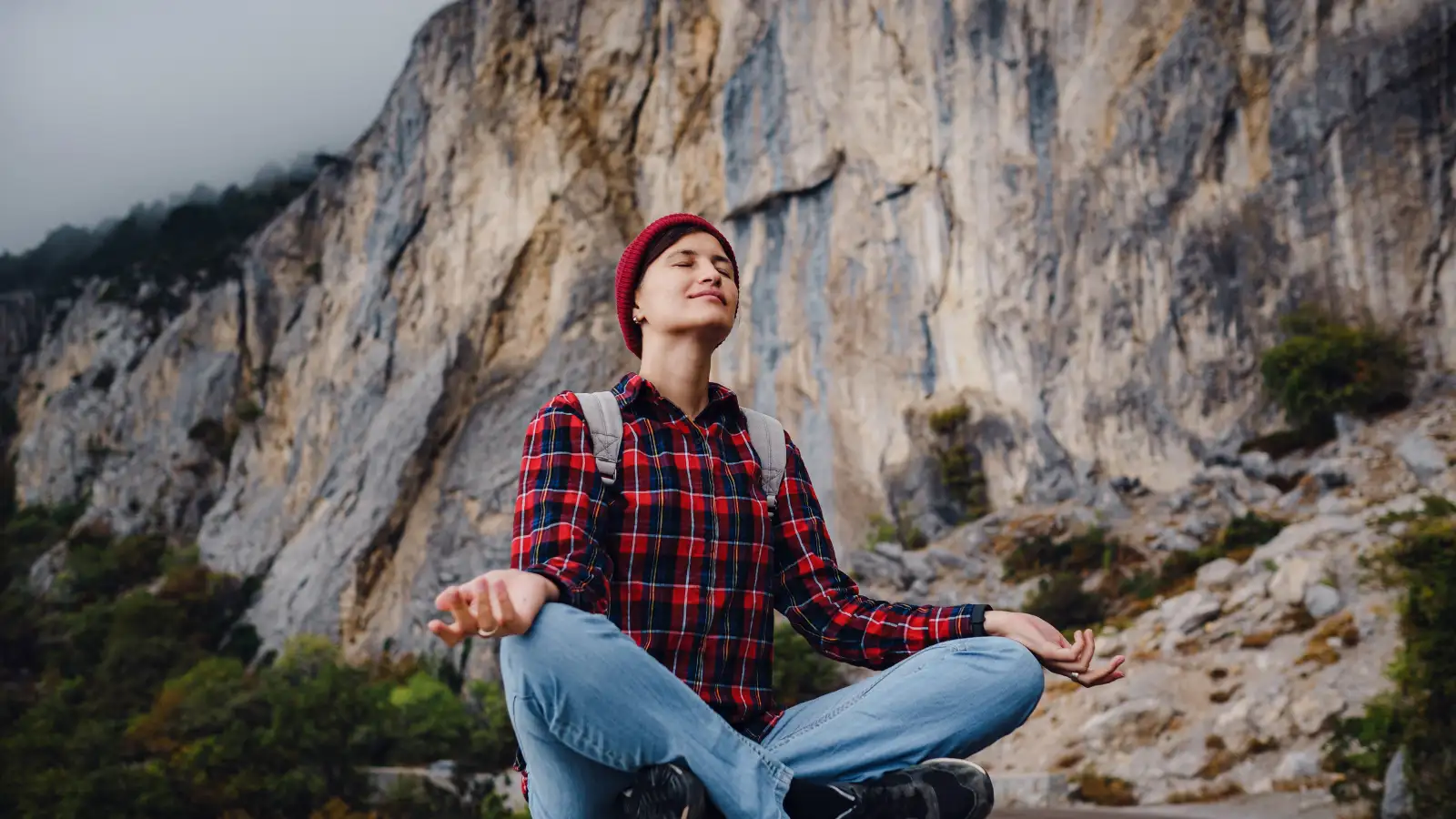
Whether it's watching the sunrise over a Himalayan valley, listening to waves crash along a quiet coastline or spending a few days disconnected from notifications, many are discovering the benefits of therapeutic travel . Travel is no longer viewed solely as a leisure activity; it is increasingly becoming a tool for self-discovery, emotional healing and improved mental wellbeing .
As conversations around mental health continue to grow, so does the popularity of wellness travel among India's younger generation.
For young professionals and students alike, travel offers something increasingly rare: a chance to pause.
Unlike traditional holidays focused on packed itineraries, today's travellers are seeking experiences that help them slow down, reflect and recharge. This shift has fuelled the rise of travel and mental health conversations across social media and wellness communities.
Also Read: Move Over Rishikesh! Tons Valley Is Uttarakhand's Next Big Adventure Hotspot
Natural environments often encourage mindfulness and help reduce feelings of stress and anxiety, making them central to the concept of healing through travel .
From yoga retreats in Rishikesh and meditation centres in Dharamshala to eco-resorts in Kerala and slow-living escapes in the Himalayas, wellness travel has evolved into a significant travel trend.
These experiences often focus on:
Exploring unfamiliar places, meeting new people and experiencing different cultures often encourages personal growth. Travellers frequently return home with greater confidence, a broader outlook and a renewed sense of purpose.
For those experiencing burnout, even a short getaway can provide valuable emotional distance from ongoing pressures.
Rather than constantly moving, travellers focus on meaningful moments—whether that's enjoying a local meal, reading in a quiet café or taking long walks through nature.
This slower pace aligns perfectly with the principles of self care travel , which prioritises wellbeing over packed schedules.
Platforms are filled with stories of travellers who found clarity during solo trips, overcame burnout through nature retreats or discovered new passions while exploring unfamiliar destinations.
These experiences resonate strongly with young audiences looking for healthier ways to manage stress and improve their mental wellbeing.
Benefits often include:
The future of tourism may not be defined solely by luxury hotels or famous attractions. Instead, destinations that offer peace, authenticity and emotional fulfilment are likely to attract a growing share of travellers.
For many young Indians, travel is no longer just about reaching a destination. It is about finding balance, gaining perspective and returning home feeling better than when they left.
Perhaps the greatest souvenir a journey can offer isn't a photograph or a keepsake—it's a calmer mind and a refreshed outlook on life.
Whether it's watching the sunrise over a Himalayan valley, listening to waves crash along a quiet coastline or spending a few days disconnected from notifications, many are discovering the benefits of therapeutic travel . Travel is no longer viewed solely as a leisure activity; it is increasingly becoming a tool for self-discovery, emotional healing and improved mental wellbeing .
As conversations around mental health continue to grow, so does the popularity of wellness travel among India's younger generation.
Why Are Young Indians Travelling More Than Ever?
The modern lifestyle comes with constant pressures. Long working hours, rising stress levels, social media fatigue and the challenge of maintaining work-life balance have left many feeling mentally exhausted.For young professionals and students alike, travel offers something increasingly rare: a chance to pause.
Unlike traditional holidays focused on packed itineraries, today's travellers are seeking experiences that help them slow down, reflect and recharge. This shift has fuelled the rise of travel and mental health conversations across social media and wellness communities.
Also Read: Move Over Rishikesh! Tons Valley Is Uttarakhand's Next Big Adventure Hotspot
When Travel Becomes More Than a Vacation
Many young travellers now choose destinations based on how they make them feel rather than how many landmarks they can visit.Escaping the Everyday Routine
One of the biggest benefits of travel therapy is breaking away from repetitive daily patterns. A change of scenery can help reset the mind, spark creativity and provide a fresh perspective on life's challenges.Reconnecting With Nature
Whether it's trekking through forests, sitting beside a river or exploring mountain trails, spending time in nature has become a major reason why people travel.Natural environments often encourage mindfulness and help reduce feelings of stress and anxiety, making them central to the concept of healing through travel .
The Rise of Wellness Travel
Across India, destinations offering wellness-focused experiences are witnessing increased interest.From yoga retreats in Rishikesh and meditation centres in Dharamshala to eco-resorts in Kerala and slow-living escapes in the Himalayas, wellness travel has evolved into a significant travel trend.
These experiences often focus on:
- Mindfulness and meditation
- Yoga and fitness
- Digital detox programmes
- Healthy eating
- Nature immersion
- Stress management
Travel Helps Create Meaningful Experiences
Perhaps one of the most therapeutic aspects of travel is its ability to create lasting memories.Exploring unfamiliar places, meeting new people and experiencing different cultures often encourages personal growth. Travellers frequently return home with greater confidence, a broader outlook and a renewed sense of purpose.
For those experiencing burnout, even a short getaway can provide valuable emotional distance from ongoing pressures.
The Growing Appeal of Slow Travel
The era of rushing through multiple destinations in a few days is gradually giving way to a more mindful approach.What Is Slow Travel?
Slow travel encourages travellers to spend more time in one place, connect with local communities and fully immerse themselves in the experience.Rather than constantly moving, travellers focus on meaningful moments—whether that's enjoying a local meal, reading in a quiet café or taking long walks through nature.
This slower pace aligns perfectly with the principles of self care travel , which prioritises wellbeing over packed schedules.
Social Media Is Driving the Trend
Ironically, while many people travel to escape digital overload, social media has played a significant role in popularising therapeutic travel.Platforms are filled with stories of travellers who found clarity during solo trips, overcame burnout through nature retreats or discovered new passions while exploring unfamiliar destinations.
You may also like
- Post Office's Fantastic Scheme: Keep depositing ₹12,500 and receive a lump sum of ₹40 Lakhs—with zero risk..
- The Hidden Risk: Can You Have a Heart Attack with Normal Cholesterol?
- EPFO 3.0: Withdraw PF Funds Instantly via UPI—Learn How the Amount Will Be Transferred and When This New Facility Will Launch..
- The Emotional Waves of Labour: How Feelings Can Affect the Birth Experience
- Preity Zinta just gave red carpet glam a maharani upgrade in this Rs 9.12 lakh pishwas set
These experiences resonate strongly with young audiences looking for healthier ways to manage stress and improve their mental wellbeing.
Is Travelling Really Therapeutic?
While travel is not a substitute for professional mental health support when needed, many experts agree that meaningful travel experiences can positively influence emotional wellbeing.Benefits often include:
- Reduced stress levels
- Improved mood
- Increased mindfulness
- Greater creativity
- Enhanced self-awareness
- Stronger social connections
Why This Trend Is Likely to Grow
As awareness around mental health continues to increase, more travellers are prioritising experiences that nurture both body and mind.The future of tourism may not be defined solely by luxury hotels or famous attractions. Instead, destinations that offer peace, authenticity and emotional fulfilment are likely to attract a growing share of travellers.
For many young Indians, travel is no longer just about reaching a destination. It is about finding balance, gaining perspective and returning home feeling better than when they left.
The Journey Towards Wellbeing
In a world that rarely slows down, travel offers something increasingly valuable: space to breathe, reflect and reconnect with oneself. Whether it's a solo mountain retreat, a wellness escape or simply a quiet weekend surrounded by nature, therapeutic travel is helping young Indians redefine what it means to truly unwind.Perhaps the greatest souvenir a journey can offer isn't a photograph or a keepsake—it's a calmer mind and a refreshed outlook on life.






More from our partners


Loving Newspoint? Download the app now
