
The Psychological Reason Time Seems To Fly As We Age

Almost everyone has experienced it at some point. Childhood holidays once felt endless, birthdays seemed far apart, and waiting for weekends felt unbearable. Yet as adulthood arrives, months appear to disappear quickly and entire years seem to pass in a blur.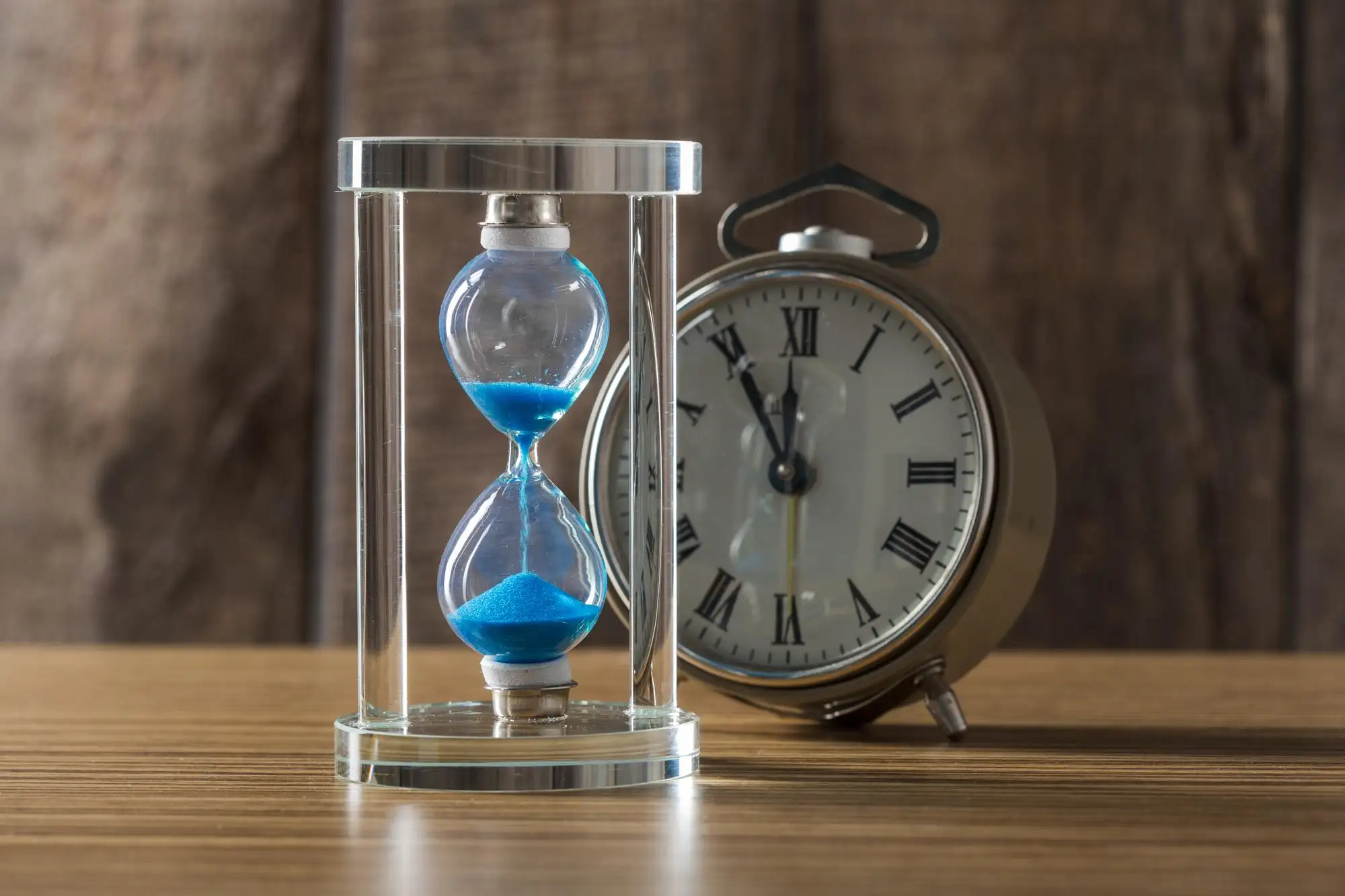
The feeling that time speeds up with age is surprisingly common, and scientists believe it has a lot to do with the way the human brain processes experiences, memories, and routines. The psychology of time reveals that our sense of time is not fixed at all. Instead, it changes throughout life.
The brain treats these unfamiliar experiences as important, storing them in greater detail. Because so many vivid memories are created, childhood feels longer when we look back on it.
As people age, life often becomes more routine. Days begin to look similar, and the brain stops recording every moment with the same level of attention. Fewer unique memories make long periods feel shorter in hindsight.
Also Read: The Familiarity Trap: 5 Psychological Reasons People Mistake Chaos for Compatibility
When the brain enters autopilot mode, it processes less new information. As a result, weeks and months seem to blend together. This is why many people suddenly realise an entire year has passed without noticing where the time went.
By contrast, holidays, travel experiences, or major life events often feel longer because they break routine and stimulate the brain with new environments and emotions.
For a five-year-old child, one year represents 20 per cent of their entire life experience, making it feel long and significant. But for a 50-year-old adult, one year is only a tiny fraction of their lived experience. This changes how the brain perceives the passing of time.
When people are mentally overloaded, they often struggle to remain fully present in the moment. This can create the sensation that time is slipping away faster than before.
Also Read: 4 Psychological Reasons You're Addicted To Online Shopping
Creating fresh experiences helps form stronger memories, which may make life feel fuller and more meaningful. Even small changes in routine can positively affect how humans experience time.
The science of ageing suggests that time itself is not speeding up. Instead, the way our brains process memories, routines, and experiences changes over the years. Perhaps the secret to making life feel longer is not counting time, but filling it with moments worth remembering.
The feeling that time speeds up with age is surprisingly common, and scientists believe it has a lot to do with the way the human brain processes experiences, memories, and routines. The psychology of time reveals that our sense of time is not fixed at all. Instead, it changes throughout life.
The Brain Measures Time Through Memories
One major reason why time feels faster as we get older is linked to memory formation. During childhood and teenage years, people constantly experience new things for the first time. First friendships, first school trips, new places, and exciting discoveries create strong memories.The brain treats these unfamiliar experiences as important, storing them in greater detail. Because so many vivid memories are created, childhood feels longer when we look back on it.
As people age, life often becomes more routine. Days begin to look similar, and the brain stops recording every moment with the same level of attention. Fewer unique memories make long periods feel shorter in hindsight.
Also Read: The Familiarity Trap: 5 Psychological Reasons People Mistake Chaos for Compatibility
Routine Makes Time Feel Faster
Experts studying ageing and time perception often point towards routine as another important factor. Adults usually follow structured schedules involving work, responsibilities, commuting, and repetitive habits.When the brain enters autopilot mode, it processes less new information. As a result, weeks and months seem to blend together. This is why many people suddenly realise an entire year has passed without noticing where the time went.
By contrast, holidays, travel experiences, or major life events often feel longer because they break routine and stimulate the brain with new environments and emotions.
You may also like
- Home Loan vs. Cash: Should you buy a house with cash or is a home loan better? Understand these key points..
- Mumbai–Bengaluru Vande Bharat Sleeper's new first AC Coach unveiled; looks like a boutique hotel on rails
- How Does Treatment Differ for Bacterial Vaginosis, Mixed Vaginitis, and Yeast Infections?
- Ariana Grande Apologises After Sudden Concert Schedule Change
- US court blocks $100,000 H-1B Fee: What it means for Indian travellers, students and professionals
The Proportional Theory Of Time
Another popular explanation is called the proportional theory. According to this idea, each year becomes a smaller proportion of a person’s overall life as they age.For a five-year-old child, one year represents 20 per cent of their entire life experience, making it feel long and significant. But for a 50-year-old adult, one year is only a tiny fraction of their lived experience. This changes how the brain perceives the passing of time.
Stress And Modern Life Also Play A Role
Modern lifestyles may also contribute to the feeling that time moves too quickly. Constant digital distractions, busy schedules, social media scrolling, and work pressure can make days feel rushed and fragmented.When people are mentally overloaded, they often struggle to remain fully present in the moment. This can create the sensation that time is slipping away faster than before.
Also Read: 4 Psychological Reasons You're Addicted To Online Shopping
Can We Slow Down Our Sense Of Time?
While nobody can actually stop time, experts believe certain habits can help slow down the perception of it. Trying new activities, travelling, learning skills, meeting different people, and practising mindfulness all encourage the brain to stay engaged.Creating fresh experiences helps form stronger memories, which may make life feel fuller and more meaningful. Even small changes in routine can positively affect how humans experience time.
The science of ageing suggests that time itself is not speeding up. Instead, the way our brains process memories, routines, and experiences changes over the years. Perhaps the secret to making life feel longer is not counting time, but filling it with moments worth remembering.






More from our partners


Loving Newspoint? Download the app now
