
Coolcation Trend Explained: Why Travellers Are Ditching Beach Holidays for Cooler Destinations

For decades, the ultimate recipe for a perfect summer break involved a simple set of ingredients: scorching sunshine, golden sand, and a towel stretched out beside the sea. But as global travel patterns evolve, a noticeable shift is taking place across the holiday sector. Modern travellers are stepping away from sweltering coastal resorts and opting instead for " coolcations " , a blend of "cool" and "vacation" that sees holidaymakers choosing destinations with temperate climates , crisp mountain air, and mild summer breezes.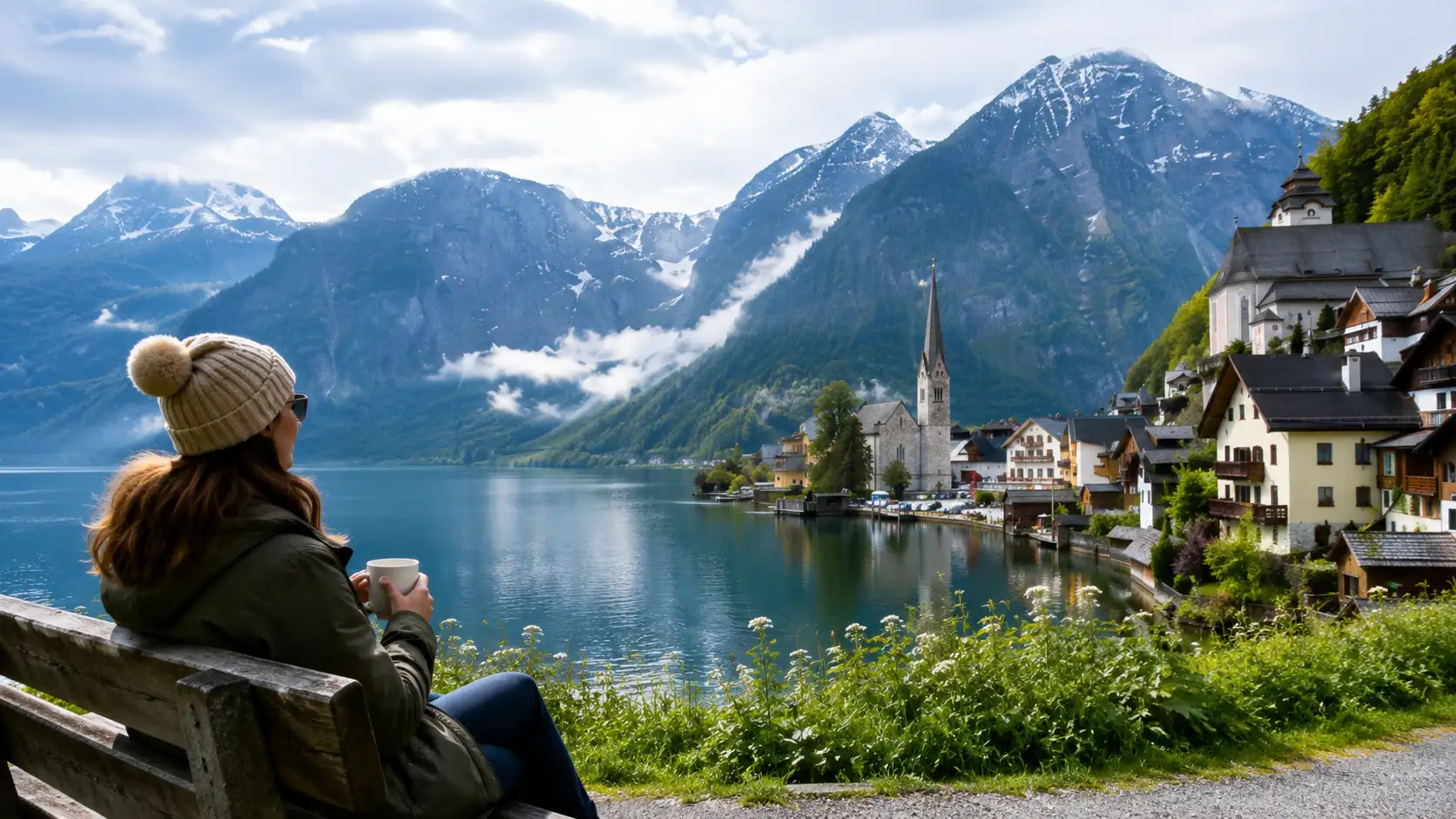
From the dramatic fjords of Norway and the rolling green hills of Ireland to the breezy lakesides of Sweden and high-altitude mountain retreats, cooler destinations are seeing an unprecedented boom in summer bookings. But what is driving this sudden change in holiday habits?
For families with young children, elderly travellers, and outdoor enthusiasts, extreme heat presents genuine health concerns and limits day-to-day activities. A coolcation offers mild weather hovering between 18°C and 24°C, allowing holidaymakers to walk through historic town centres, cycle along coastal paths, or hike through nature trails comfortably from morning until evening without feeling drained.
Furthermore, holidaymakers today want more than just lounging by the water; they want active, memorable experiences. Milder weather makes full-day sightseeing far more appealing. Whether exploring ancient castles in the Scottish Highlands, kayaking through glacial waters, or visiting outdoor markets in Copenhagen, cooler climates allow people to stay active and engaged throughout their entire trip.
In contrast, cooler northern regions and mountainous landscapes offer spacious, low-density environments. Travellers can enjoy pristine forests, quiet lakes, and authentic local culture without the friction of massive crowds.
From the dramatic fjords of Norway and the rolling green hills of Ireland to the breezy lakesides of Sweden and high-altitude mountain retreats, cooler destinations are seeing an unprecedented boom in summer bookings. But what is driving this sudden change in holiday habits?
Escaping Extreme Heatwaves and Burnout
The primary driver behind the popularity of the coolcation trend is simple physical comfort. In recent years, traditional summer hotspots across southern Europe, North America, and southern Asia have experienced record-breaking heatwaves. While 25°C on a sandy coast feels delightful, temperatures soaring past 40°C can turn a relaxing trip into an exhausting ordeal spent trapped inside air-conditioned hotel rooms.You may also like
- Batwara 1947 Dialogues: Sunny Deol's Powerful Dialogues Wins Hearts
- Lack of Sleep Can Affect Children's Health: Here's How to Build a Better Sleep Routine
- Gen-Z Slang Goes Mainstream: What Do 'Clocked It', 'Delulu', 'FOMO', and 'MIA' Mean?
- Sawan 2026: Easy Homemade Sweets to Offer Lord Shiva
- Psychology says checking your phone first thing every morning may reveal more about your mind than you realise
For families with young children, elderly travellers, and outdoor enthusiasts, extreme heat presents genuine health concerns and limits day-to-day activities. A coolcation offers mild weather hovering between 18°C and 24°C, allowing holidaymakers to walk through historic town centres, cycle along coastal paths, or hike through nature trails comfortably from morning until evening without feeling drained.
Better Quality Rest and Active Leisure
Holidaying in milder climates naturally supports physical and mental well-being. Anyone who has spent a sleepless, humid night in a beach resort knows how crucial cool evening temperatures are for a good night's rest. In temperate destinations, cool night breezes promote deeper sleep, ensuring travellers return home feeling truly refreshed and restored.Furthermore, holidaymakers today want more than just lounging by the water; they want active, memorable experiences. Milder weather makes full-day sightseeing far more appealing. Whether exploring ancient castles in the Scottish Highlands, kayaking through glacial waters, or visiting outdoor markets in Copenhagen, cooler climates allow people to stay active and engaged throughout their entire trip.
Avoiding Overtourism and Overcrowded Beaches
Another key advantage of choosing coolcations over beach holidays is avoiding seasonal chaos. Popular beach towns often suffer from intense overtourism during peak summer months. Fighting for a spot on a packed beach, waiting in long queues for restaurants, and navigating overcrowded streets can ruin the peaceful atmosphere people seek on holiday.In contrast, cooler northern regions and mountainous landscapes offer spacious, low-density environments. Travellers can enjoy pristine forests, quiet lakes, and authentic local culture without the friction of massive crowds.
A Permanent Shift in Future Travel
As climate conditions continue to influence how we plan our journeys, the coolcation is no longer just a passing fad; it has become a thoughtful, permanent alternative to traditional summer getaways. By swapping scorching sands for refreshing breezes, modern holidaymakers are discovering that a truly rejuvenating break is best enjoyed when the weather keeps its cool.





Loving Newspoint? Download the app now
