
Egypt Isn’t No. 1! This Country Has More Pyramids Than You Think

When people think of pyramids, the first country that usually comes to mind is Egypt. The towering structures of Giza have become one of the most recognisable symbols of ancient civilisation, attracting millions of tourists every year. But despite Egypt’s worldwide fame, it is not the country with the highest number of pyramids. The title actually belongs to Sudan. The Sudan pyramids outnumber those in Egypt by a huge margin, making the country home to one of the most overlooked wonders of ancient Africa.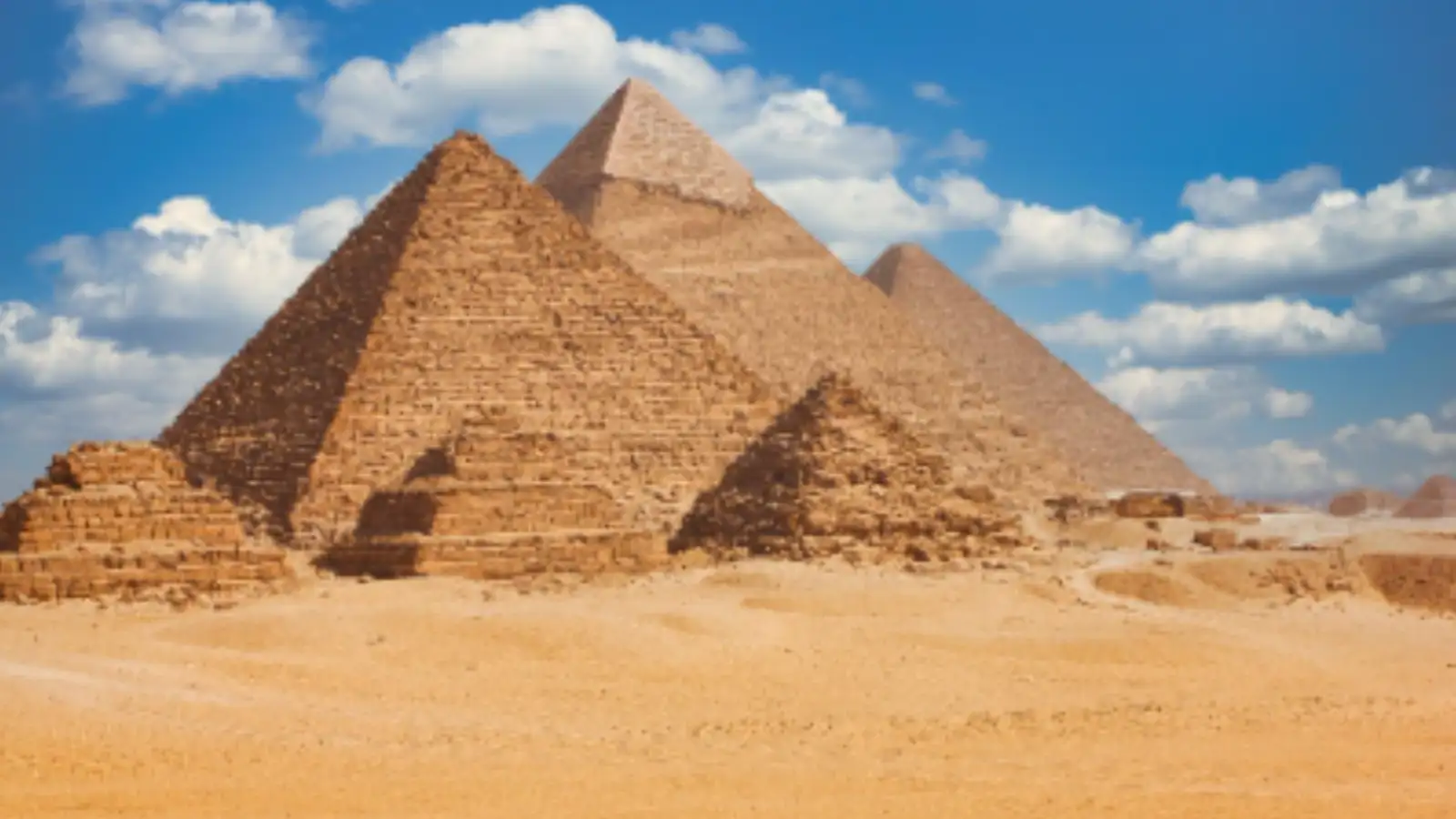
Sudan is believed to have between 220 and 255 pyramids, while Egypt has around 118. These structures were built by the powerful Kingdom of Kush , an ancient African civilisation that once conquered Egypt and ruled it for nearly a century. Even after pyramid construction had stopped in Egypt, the Kushite rulers continued building pyramids for centuries, leaving behind a remarkable architectural legacy that many people still know very little about.
Sudan vs Egypt: Which Country Has More Pyramids?
According to National Geographic, Sudan’s ancient kingdoms left behind nearly 255 pyramids, more than double the number found in Egypt. While Egypt’s pyramids were constructed mainly during the Old Kingdom period, Sudan’s pyramid-building tradition continued from around 800 BCE to 350 CE.
Most of Sudan’s pyramids are located in the Nubian desert along the Nile River. The major pyramid sites include:
Among these, Meroë is the largest and most famous complex. Situated roughly 200 kilometres northeast of Khartoum, the site contains more than 200 pyramids spread across multiple royal cemeteries.
The Kingdom of Kush and the Rise of the Black Pharaohs
The Sudan pyramids were built by the rulers of the Kingdom of Kush, one of the most influential civilisations in ancient Africa. The Kushites controlled large parts of the Nile Valley between 900 BCE and 350 CE and developed a culture deeply inspired by Egypt while maintaining their own distinct identity.
At the height of their power, the Kushite kings invaded and ruled Egypt as the 25th Dynasty. Historians often refer to this period as the era of the “black pharaohs”, which lasted from approximately 760 to 650 BCE.
The first Kushite king to be buried beneath a pyramid was Piye, who conquered Egypt around 770 BCE. Inspired by Egyptian burial traditions, he introduced pyramid tombs into Kushite culture. Even after the Assyrians forced the Kushites out of Egypt, the rulers continued constructing pyramids in Sudan for centuries.
The Famous Queens and Royal Tombs of Meroë
The pyramid fields of Meroë are not only impressive in number but also rich in history. One of the most famous burials belongs to Queen Amanirenas, the warrior queen known for losing an eye in battle while defending her kingdom.
Another important ruler was Queen Amanishaketo, remembered for preserving the prosperity of the Kushite kingdom. Her image can still be seen carved onto one of the pyramids at Meroë.
The site contains 41 royal tombs belonging to kings, queens, and nobles. Archaeologists continue to uncover new details about these rulers, helping historians piece together the story of one of Africa’s greatest ancient civilisations.
How Sudan’s Pyramids Are Different From Egypt’s
Although inspired by Egyptian architecture, the Nubian pyramids of Sudan have a very different appearance.
Key differences include:
Each pyramid also featured a small chapel at the entrance. These chapels were decorated with carvings and reliefs showing the deceased entering the afterlife, blending Egyptian beliefs with Kushite traditions.
The Destruction of Meroë’s Pyramids
Despite surviving harsh desert conditions for over two thousand years, many Sudan pyramids suffered heavy damage during the 19th century.
In the 1830s, an Italian treasure hunter named Giuseppe Ferlini demolished more than 40 pyramids at Meroë while searching for hidden gold and valuables. His actions caused irreversible destruction, leaving many pyramids flat-topped instead of pointed.
Some of the treasures he looted, including jewellery linked to Queen Amanishaketo, eventually found their way into European museums. However, the pyramids destroyed during his expedition can never be fully restored.
Why Sudan’s UNESCO Pyramid Site Remains Underrated
The Meroë pyramid complex was declared a UNESCO World Heritage Site in 2011 due to its historical and cultural importance. UNESCO recognised the site as an extraordinary example of cultural exchange and architectural achievement in the ancient world.
Yet, despite this recognition, Sudan’s pyramids remain far less visited than Egypt’s monuments.
Several factors have contributed to this:
As a result, one of the world’s greatest archaeological treasures continues to remain underappreciated.
Why Sudan’s Pyramids Deserve Global Recognition
The Sudan pyramids tell the story of a civilisation that rivalled Egypt in power, culture, and architectural ambition. The Kingdom of Kush not only adopted pyramid-building traditions but expanded them on a much larger scale and sustained them for far longer.
Today, these ancient monuments stand quietly in the Sudanese desert, representing a forgotten chapter of African history that deserves far more global attention. While Egypt may dominate the popular imagination, Sudan proudly holds the true record for the most pyramids in the world .
Sudan is believed to have between 220 and 255 pyramids, while Egypt has around 118. These structures were built by the powerful Kingdom of Kush , an ancient African civilisation that once conquered Egypt and ruled it for nearly a century. Even after pyramid construction had stopped in Egypt, the Kushite rulers continued building pyramids for centuries, leaving behind a remarkable architectural legacy that many people still know very little about.
Sudan vs Egypt: Which Country Has More Pyramids?
According to National Geographic, Sudan’s ancient kingdoms left behind nearly 255 pyramids, more than double the number found in Egypt. While Egypt’s pyramids were constructed mainly during the Old Kingdom period, Sudan’s pyramid-building tradition continued from around 800 BCE to 350 CE.
Most of Sudan’s pyramids are located in the Nubian desert along the Nile River. The major pyramid sites include:
- Meroë
- Napata
- Nuri
- El-Kurru
- Jebel Barkal
Among these, Meroë is the largest and most famous complex. Situated roughly 200 kilometres northeast of Khartoum, the site contains more than 200 pyramids spread across multiple royal cemeteries.
The Kingdom of Kush and the Rise of the Black Pharaohs
The Sudan pyramids were built by the rulers of the Kingdom of Kush, one of the most influential civilisations in ancient Africa. The Kushites controlled large parts of the Nile Valley between 900 BCE and 350 CE and developed a culture deeply inspired by Egypt while maintaining their own distinct identity.
At the height of their power, the Kushite kings invaded and ruled Egypt as the 25th Dynasty. Historians often refer to this period as the era of the “black pharaohs”, which lasted from approximately 760 to 650 BCE.
The first Kushite king to be buried beneath a pyramid was Piye, who conquered Egypt around 770 BCE. Inspired by Egyptian burial traditions, he introduced pyramid tombs into Kushite culture. Even after the Assyrians forced the Kushites out of Egypt, the rulers continued constructing pyramids in Sudan for centuries.
The Famous Queens and Royal Tombs of Meroë
The pyramid fields of Meroë are not only impressive in number but also rich in history. One of the most famous burials belongs to Queen Amanirenas, the warrior queen known for losing an eye in battle while defending her kingdom.
Another important ruler was Queen Amanishaketo, remembered for preserving the prosperity of the Kushite kingdom. Her image can still be seen carved onto one of the pyramids at Meroë.
The site contains 41 royal tombs belonging to kings, queens, and nobles. Archaeologists continue to uncover new details about these rulers, helping historians piece together the story of one of Africa’s greatest ancient civilisations.
How Sudan’s Pyramids Are Different From Egypt’s
Although inspired by Egyptian architecture, the Nubian pyramids of Sudan have a very different appearance.
Key differences include:
- Sudanese pyramids are taller and steeper in shape
- They have narrow bases and sharp angles of around 70 degrees
- Egyptian pyramids have broader foundations and gentler slopes
- Most Nubian pyramids are much smaller than the Great Pyramid of Giza
- Sudan’s pyramids were mainly built using red sandstone
- Burial chambers were placed beneath the pyramids rather than inside them
Each pyramid also featured a small chapel at the entrance. These chapels were decorated with carvings and reliefs showing the deceased entering the afterlife, blending Egyptian beliefs with Kushite traditions.
You may also like
- Users Frustrated by AI in Google Search; DuckDuckGo Emerges as a New Alternative
- Relief for Millions of Teachers: Supreme Court Extends Deadline to Pass TET
- Receive Pension Funds Even with Short Service: Simply Fill Out This Form
- India's Growth Momentum to Remain Robust Amid Global Tensions: RBI Expresses Confidence
- Don't Let Your Installment Get Stuck! Here's How to Quickly Complete PM-Kisan eKYC from Home
The Destruction of Meroë’s Pyramids
Despite surviving harsh desert conditions for over two thousand years, many Sudan pyramids suffered heavy damage during the 19th century.
In the 1830s, an Italian treasure hunter named Giuseppe Ferlini demolished more than 40 pyramids at Meroë while searching for hidden gold and valuables. His actions caused irreversible destruction, leaving many pyramids flat-topped instead of pointed.
Some of the treasures he looted, including jewellery linked to Queen Amanishaketo, eventually found their way into European museums. However, the pyramids destroyed during his expedition can never be fully restored.
Why Sudan’s UNESCO Pyramid Site Remains Underrated
The Meroë pyramid complex was declared a UNESCO World Heritage Site in 2011 due to its historical and cultural importance. UNESCO recognised the site as an extraordinary example of cultural exchange and architectural achievement in the ancient world.
Yet, despite this recognition, Sudan’s pyramids remain far less visited than Egypt’s monuments.
Several factors have contributed to this:
- Sudan’s long history of political instability and conflict
- Limited tourism infrastructure
- Global focus on Egypt when discussing ancient African history
- Lack of international awareness about Nubian civilisation
As a result, one of the world’s greatest archaeological treasures continues to remain underappreciated.
Why Sudan’s Pyramids Deserve Global Recognition
The Sudan pyramids tell the story of a civilisation that rivalled Egypt in power, culture, and architectural ambition. The Kingdom of Kush not only adopted pyramid-building traditions but expanded them on a much larger scale and sustained them for far longer.
Today, these ancient monuments stand quietly in the Sudanese desert, representing a forgotten chapter of African history that deserves far more global attention. While Egypt may dominate the popular imagination, Sudan proudly holds the true record for the most pyramids in the world .






More from our partners


Loving Newspoint? Download the app now
