
Monsoon Car Problems Every Driver Should Know and How to Avoid Them

The monsoon season may bring cooler weather and greener landscapes, but it also creates several challenges for car owners. Heavy rain, waterlogged roads, high humidity, and muddy conditions can affect everything from your tyres and brakes to the electrical system and engine. Many of these issues develop gradually and often go unnoticed until they result in costly repairs or unexpected breakdowns. Fortunately, most common car problems during the monsoon can be prevented with regular maintenance and a few simple precautions. Understanding what to watch for helps keep your vehicle reliable, safe, and ready to tackle even the wettest roads.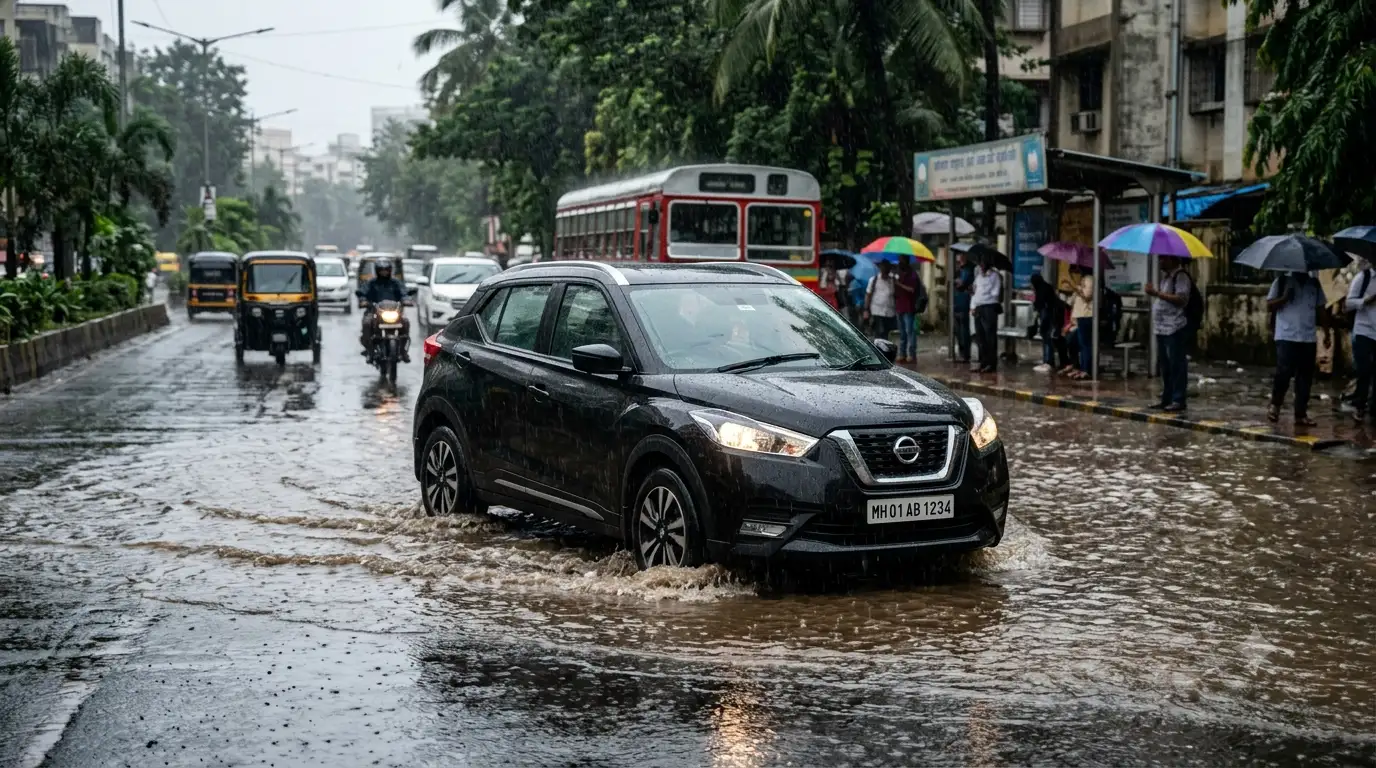
One of the most severe issues is engine hydrolock, which occurs when water enters the engine cylinders. Unlike air, water cannot be compressed, and attempting to restart the engine after this happens can cause severe internal damage. If your car stalls in deep water, it is best to seek professional assistance rather than trying to restart it.
Avoid driving through water if you cannot judge its depth. Even shallow-looking puddles may hide potholes or submerged obstacles.
If you notice squealing noises, vibrations, or longer stopping distances, have the braking system inspected without delay. Maintaining a safe following distance during rain also gives you more time to react if braking efficiency is temporarily reduced.
Flickering lights, malfunctioning power windows, faulty sensors, or warning lights on the dashboard may indicate that water has reached sensitive electrical parts. Keeping the engine bay clean and ensuring damaged seals are repaired can help reduce the risk of moisture-related faults.
Interestingly, many electrical issues appear days after heavy rainfall, once moisture has had time to spread through connectors and wiring.
Checking tread depth regularly and maintaining the correct tyre pressure significantly improves stability in rainy conditions. Rotating tyres at recommended intervals also helps ensure even wear.
Even premium tyres cannot perform safely if their tread has worn below the recommended level.
Regular washing, particularly underneath the vehicle, helps remove dirt before it causes long-term damage. Applying protective coatings or anti-rust treatments can also extend the lifespan of metal components.
Many drivers focus on cleaning the exterior paint while overlooking the underbody, where rust often begins unnoticed.
Using the air conditioner, even during cool weather, helps remove excess moisture from the cabin. Keeping windows clean inside and out also reduces fogging and improves visibility.
Good visibility is just as important as good tyres or reliable brakes when driving in heavy rain.
Routine checks of tyres, brakes, wipers, lights, battery terminals, and fluid levels not only improve safety but also increase the overall lifespan of the vehicle. Preventive maintenance is often far less expensive than repairing damage caused by neglect.
Water Damage Can Affect Vital Components
Driving through flooded roads is one of the biggest risks during the rainy season. Water can enter the engine, exhaust, air intake, or electrical components, leading to serious mechanical problems.One of the most severe issues is engine hydrolock, which occurs when water enters the engine cylinders. Unlike air, water cannot be compressed, and attempting to restart the engine after this happens can cause severe internal damage. If your car stalls in deep water, it is best to seek professional assistance rather than trying to restart it.
Avoid driving through water if you cannot judge its depth. Even shallow-looking puddles may hide potholes or submerged obstacles.
Reduced Brake Performance
Brakes naturally become less effective when they are wet. Although braking performance usually returns after a few gentle applications, worn brake pads or damaged components can make the problem worse.If you notice squealing noises, vibrations, or longer stopping distances, have the braking system inspected without delay. Maintaining a safe following distance during rain also gives you more time to react if braking efficiency is temporarily reduced.
Electrical Problems Become More Common
Modern vehicles rely heavily on electronics, and moisture can interfere with electrical connections.Flickering lights, malfunctioning power windows, faulty sensors, or warning lights on the dashboard may indicate that water has reached sensitive electrical parts. Keeping the engine bay clean and ensuring damaged seals are repaired can help reduce the risk of moisture-related faults.
Interestingly, many electrical issues appear days after heavy rainfall, once moisture has had time to spread through connectors and wiring.
Tyre Wear Increases the Risk of Skidding
Tyres play a crucial role in maintaining grip on wet roads. Worn tyres struggle to channel water away, increasing the likelihood of aquaplaning, where the tyres lose contact with the road surface.Checking tread depth regularly and maintaining the correct tyre pressure significantly improves stability in rainy conditions. Rotating tyres at recommended intervals also helps ensure even wear.
Even premium tyres cannot perform safely if their tread has worn below the recommended level.
Rust and Corrosion Can Develop Quickly
Rainwater mixed with mud, road grime, and pollutants creates the perfect conditions for corrosion. The underbody, wheel arches, brake components, and exhaust system are especially vulnerable because they are constantly exposed to moisture.Regular washing, particularly underneath the vehicle, helps remove dirt before it causes long-term damage. Applying protective coatings or anti-rust treatments can also extend the lifespan of metal components.
You may also like
- Limits of Science And Freedom Of Inquiry
- Existential Laboratory (E-Lab): From Knowing To Experiencing
- Wamiqa Gabbi's bold pixie cut is giving Princess Diana elegance and Zendaya energy
- More than petrichor: Why rain makes us feel happier, calmer, even nostalgic
- How does an account get drained without even sharing the OTP?
Many drivers focus on cleaning the exterior paint while overlooking the underbody, where rust often begins unnoticed.
Fogged Windows Reduce Visibility
High humidity often causes condensation on the inside of the windscreen and windows, making it difficult to see clearly.Using the air conditioner, even during cool weather, helps remove excess moisture from the cabin. Keeping windows clean inside and out also reduces fogging and improves visibility.
Good visibility is just as important as good tyres or reliable brakes when driving in heavy rain.
Why Preventive Maintenance Matters
Most monsoon car problems develop slowly rather than appearing overnight. Regular inspections before and during the rainy season allow drivers to spot small issues before they become expensive repairs.Routine checks of tyres, brakes, wipers, lights, battery terminals, and fluid levels not only improve safety but also increase the overall lifespan of the vehicle. Preventive maintenance is often far less expensive than repairing damage caused by neglect.






Loving Newspoint? Download the app now
