
Why Tyre Tread Matters More During Monsoon Than You Think

Most drivers pay attention to their car's engine, brakes, and fuel levels, but tyres are often overlooked until a problem occurs. During the monsoon, however, tyres become one of the most important safety features on any vehicle. Good tyre tread provides the grip needed to maintain control on wet roads, while worn tyres can significantly increase the risk of skidding and accidents. As heavy rain and waterlogged streets become common, understanding how tyre tread works can help drivers make safer decisions. A simple tyre inspection before the rainy season could be the difference between a smooth journey and a dangerous situation.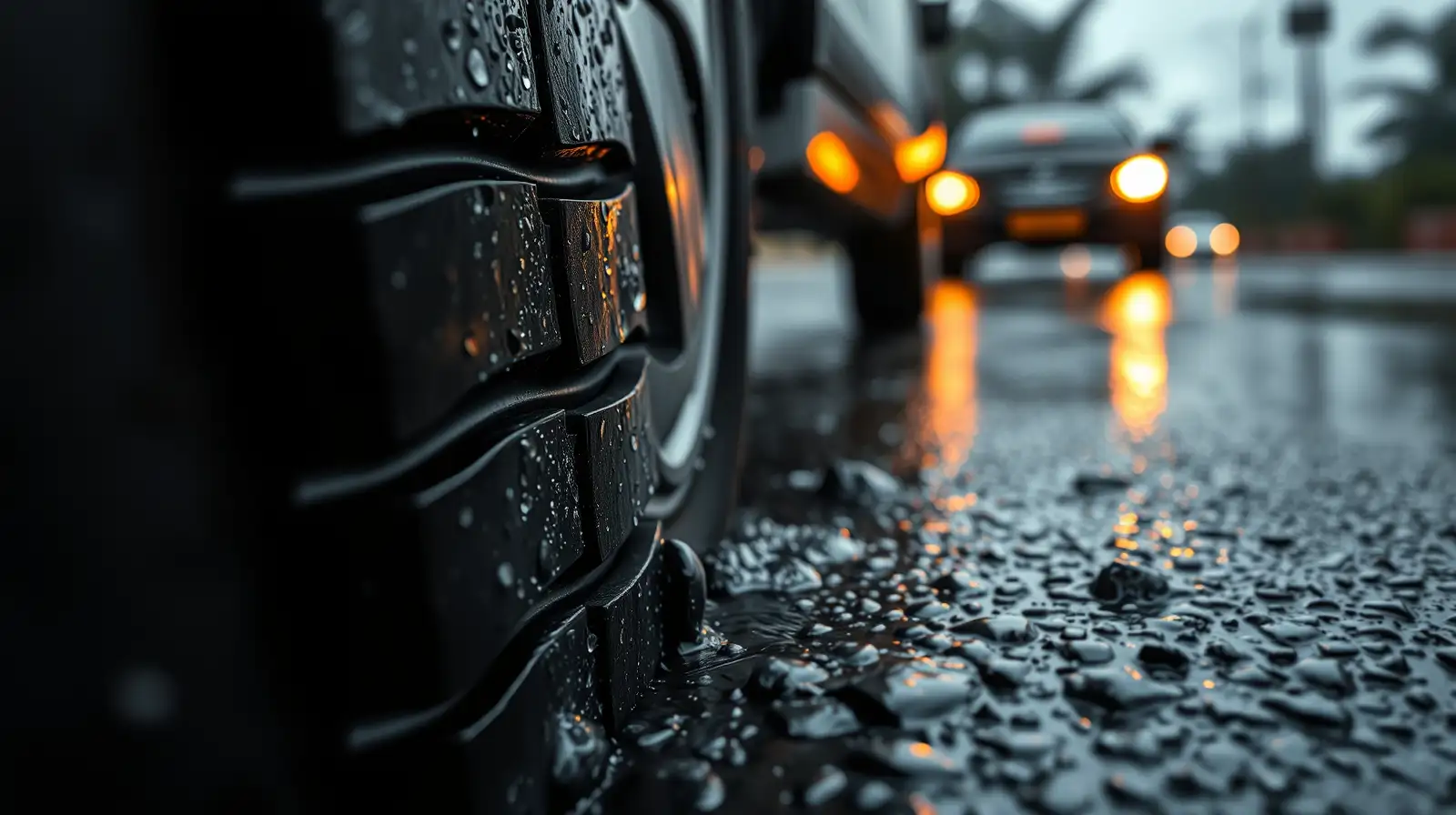
When roads are dry, even tyres with moderate wear can often perform reasonably well. However, in rainy conditions, the tread becomes far more important because it helps prevent water from building up between the tyre and the road surface.
Without sufficient tread depth, tyres struggle to disperse water effectively, reducing traction and making steering and braking less predictable.
When aquaplaning happens, drivers may suddenly find that the steering wheel feels light, braking becomes ineffective, and the vehicle continues moving in the same direction despite attempts to control it.
While speed, road conditions, and standing water all contribute to aquaplaning, worn tyre tread greatly increases the likelihood of it occurring.
Although tyres may still appear usable, reduced tread depth can significantly increase stopping distances on wet roads. Research has shown that vehicles fitted with worn tyres require considerably more distance to come to a complete stop in rainy conditions compared with those fitted with tyres that have healthy tread.
Regularly checking tread depth helps ensure tyres continue performing safely throughout the monsoon.
Drivers should inspect their tyres regularly for smooth patches, visible cracks, cuts, embedded objects, or bulges on the sidewalls. Any of these issues can compromise safety, particularly during wet weather.
Maintaining the correct tyre pressure is equally important. Under-inflated tyres generate more heat and wear faster, while over-inflated tyres reduce the contact area with the road, affecting grip.
Cleaning tyres occasionally also allows drivers to spot hidden damage before it becomes serious. If tread depth approaches the legal minimum, replacing the tyres before the rainy season is a wise investment in safety.
Many drivers wait until tyres become visibly worn, but performance on wet roads often declines long before that point.
Tyres are the only part of a vehicle that remains in constant contact with the road. Their condition directly affects braking, cornering, steering, and overall stability, making tyre maintenance one of the simplest yet most effective ways to improve road safety.
The Role of Tyre Tread on Wet Roads
Tyre tread refers to the grooves and patterns carved into the surface of a tyre. These grooves are designed to channel water away from the contact patch, allowing the rubber to maintain a firm grip on the road.When roads are dry, even tyres with moderate wear can often perform reasonably well. However, in rainy conditions, the tread becomes far more important because it helps prevent water from building up between the tyre and the road surface.
Without sufficient tread depth, tyres struggle to disperse water effectively, reducing traction and making steering and braking less predictable.
Understanding Aquaplaning
One of the biggest dangers during the monsoon is aquaplaning, also known as hydroplaning. This occurs when a layer of water builds up beneath the tyres, causing them to lose direct contact with the road.When aquaplaning happens, drivers may suddenly find that the steering wheel feels light, braking becomes ineffective, and the vehicle continues moving in the same direction despite attempts to control it.
While speed, road conditions, and standing water all contribute to aquaplaning, worn tyre tread greatly increases the likelihood of it occurring.
Why Tread Depth Matters
Most new tyres are manufactured with deep grooves that provide excellent water drainage. As tyres wear down over time, these grooves become shallower and less effective.Although tyres may still appear usable, reduced tread depth can significantly increase stopping distances on wet roads. Research has shown that vehicles fitted with worn tyres require considerably more distance to come to a complete stop in rainy conditions compared with those fitted with tyres that have healthy tread.
You may also like
- Limits of Science And Freedom Of Inquiry
- Existential Laboratory (E-Lab): From Knowing To Experiencing
- Wamiqa Gabbi's bold pixie cut is giving Princess Diana elegance and Zendaya energy
- More than petrichor: Why rain makes us feel happier, calmer, even nostalgic
- How does an account get drained without even sharing the OTP?
Regularly checking tread depth helps ensure tyres continue performing safely throughout the monsoon.
Signs Your Tyres Need Attention
Tyres do not always wear evenly. Uneven wear patterns can indicate alignment issues, incorrect tyre pressure, or suspension problems.Drivers should inspect their tyres regularly for smooth patches, visible cracks, cuts, embedded objects, or bulges on the sidewalls. Any of these issues can compromise safety, particularly during wet weather.
Maintaining the correct tyre pressure is equally important. Under-inflated tyres generate more heat and wear faster, while over-inflated tyres reduce the contact area with the road, affecting grip.
Simple Maintenance Can Improve Safety
Looking after your tyres does not require specialised knowledge. Rotating tyres at recommended intervals helps promote even wear, while regular wheel alignment ensures better handling and extends tyre life.Cleaning tyres occasionally also allows drivers to spot hidden damage before it becomes serious. If tread depth approaches the legal minimum, replacing the tyres before the rainy season is a wise investment in safety.
Many drivers wait until tyres become visibly worn, but performance on wet roads often declines long before that point.
Why Tyre Tread Matters More Today
Modern roads carry more vehicles than ever, and sudden cloudbursts frequently create challenging driving conditions. Combined with higher traffic volumes and increased motorway speeds, the importance of reliable tyre grip has never been greater.Tyres are the only part of a vehicle that remains in constant contact with the road. Their condition directly affects braking, cornering, steering, and overall stability, making tyre maintenance one of the simplest yet most effective ways to improve road safety.






Loving Newspoint? Download the app now
