
Essential Oils For Skincare: 7 Safe Ways To Avoid Skin Irritation

The popularity of essential oils for skincare has grown rapidly in recent years. From tea tree oil for blemishes to lavender oil for soothing the skin, these highly concentrated plant extracts are widely used in beauty routines. Their natural origin often makes them appealing to people looking for gentler skincare alternatives.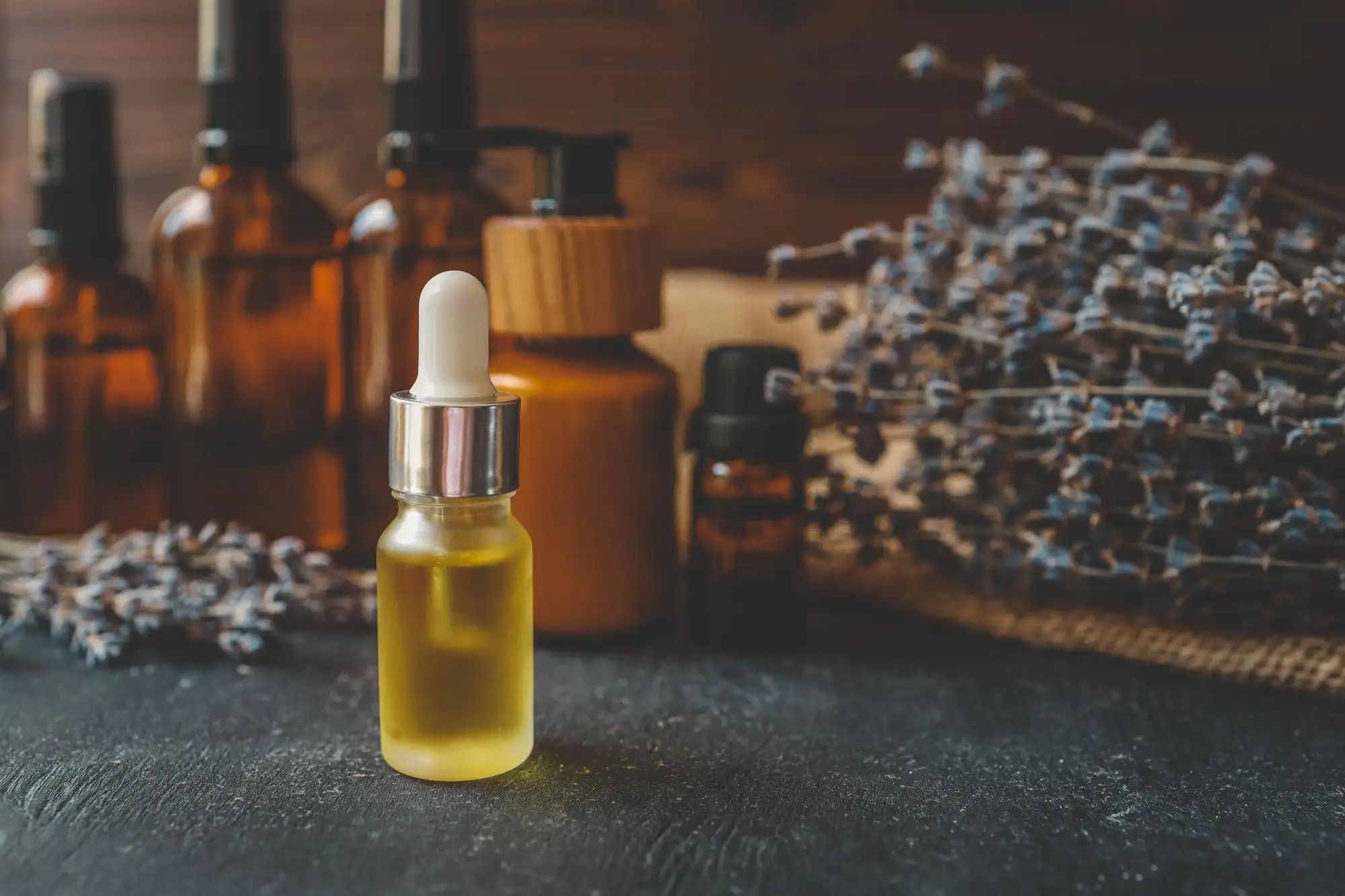
However, "natural" does not always mean "risk-free". Essential oils contain powerful active compounds that can irritate the skin if they are used incorrectly. Understanding essential oils safety is essential before adding them to your daily routine.
Following the right skincare tips can help you enjoy their benefits while reducing the risk of irritation.
Also Read: Natural Ingredients for Healthy Skin: Nature's Best Beauty Secrets
Instead, mix them with carrier oils such as jojoba oil, sweet almond oil or coconut oil. A common guideline is to add two or three drops of essential oil to one teaspoon of carrier oil. Dilution makes the oil gentler while allowing it to spread evenly across the skin.
Apply a small amount of diluted oil behind your ear or on the inside of your wrist. Wait for 24 hours and monitor the area for redness, itching or irritation. This simple step can help prevent an uncomfortable skin reaction.
Using excessive amounts can damage your skin barrier and increase sensitivity. Begin with a small quantity and introduce only one oil at a time so your skin can adjust gradually.
Also Read: Everyday Skincare Mistakes You Should Stop Making Today
If using these oils, apply them during your evening skincare routine or wear a broad-spectrum sunscreen during the day to reduce the risk of pigmentation or sunburn.
Professionally formulated products often use safe concentrations, making them a convenient option for beginners.
If you notice burning, itching, excessive dryness or redness after using an essential oil, stop using it immediately. A simple skincare routine that suits your skin is often more effective than using multiple products at once.
Remember, skincare is not about using more products. It is about using the right ones correctly and consistently.
However, "natural" does not always mean "risk-free". Essential oils contain powerful active compounds that can irritate the skin if they are used incorrectly. Understanding essential oils safety is essential before adding them to your daily routine.
Why Essential Oils Need Careful Use
Essential oils are extracted in concentrated forms, meaning even a few drops contain potent plant compounds. Applying them directly to the skin may lead to redness, burning, itching or allergic reactions, especially for those with sensitive skin.Following the right skincare tips can help you enjoy their benefits while reducing the risk of irritation.
Also Read: Natural Ingredients for Healthy Skin: Nature's Best Beauty Secrets
1. Always Dilute Essential Oils
One of the most important rules of how to use essential oils is never to apply them directly to the skin.Instead, mix them with carrier oils such as jojoba oil, sweet almond oil or coconut oil. A common guideline is to add two or three drops of essential oil to one teaspoon of carrier oil. Dilution makes the oil gentler while allowing it to spread evenly across the skin.
2. Choose The Right Essential Oil
Not every essential oil suits every skin type.- Tea tree oil is commonly chosen for oily and acne-prone skin.
- Lavender oil is often preferred for dry or sensitive skin because of its calming properties.
- Rosemary oil is popular for scalp care and may help promote healthier-looking hair.
3. Never Skip A Patch Test
Before using any essential oil on your face, perform a patch test.Apply a small amount of diluted oil behind your ear or on the inside of your wrist. Wait for 24 hours and monitor the area for redness, itching or irritation. This simple step can help prevent an uncomfortable skin reaction.
4. Use Only Small Quantities
When it comes to essential oils for face , more is not better.Using excessive amounts can damage your skin barrier and increase sensitivity. Begin with a small quantity and introduce only one oil at a time so your skin can adjust gradually.
Also Read: Everyday Skincare Mistakes You Should Stop Making Today
5. Be Careful In Sunlight
Certain citrus-based essential oils, including lemon, bergamot and orange, can make your skin more sensitive to sunlight.You may also like
- Bathroom vs. Washroom vs. Restroom: What's the difference between these commonly used terms
- Newborn Weight Loss: Why It May Happen and What New Parents Should Know
- Effective Discipline Strategies for Raising Well-Behaved Children
- Essential Health Tips for Keeping Children Safe During Seasonal Changes
- Quote of the day by Sadhguru: "Travel means you want to face unfamiliar situations. It is about breaking out of known, settled atmospheres. So travel should be…”
If using these oils, apply them during your evening skincare routine or wear a broad-spectrum sunscreen during the day to reduce the risk of pigmentation or sunburn.
6. Choose Professionally Formulated Products
If you are unsure about mixing oils yourself, opt for skincare products that already contain carefully balanced essential oil blends.Professionally formulated products often use safe concentrations, making them a convenient option for beginners.
7. Listen To Your Skin
Every person's skin reacts differently.If you notice burning, itching, excessive dryness or redness after using an essential oil, stop using it immediately. A simple skincare routine that suits your skin is often more effective than using multiple products at once.
Use Essential Oils Wisely
Essential oils can be a valuable addition to your skincare routine when used responsibly. By following proper essential oils safety guidelines, choosing suitable oils and respecting your skin's limits, you can enjoy their benefits while reducing the chances of irritation.Remember, skincare is not about using more products. It is about using the right ones correctly and consistently.






Loving Newspoint? Download the app now
