
Why Linen Is Becoming the Fabric of Choice Beyond Summer

For generations, linen has held a well-deserved reputation as the ultimate warm-weather material. When high summer arrives, lightweight linen shirts , flowing trousers, and airy dresses are the default uniform for staying cool and comfortable. However, if you store your linen garments away as soon as autumn leaves begin to fall, you are missing out on one of the most versatile materials in modern fashion.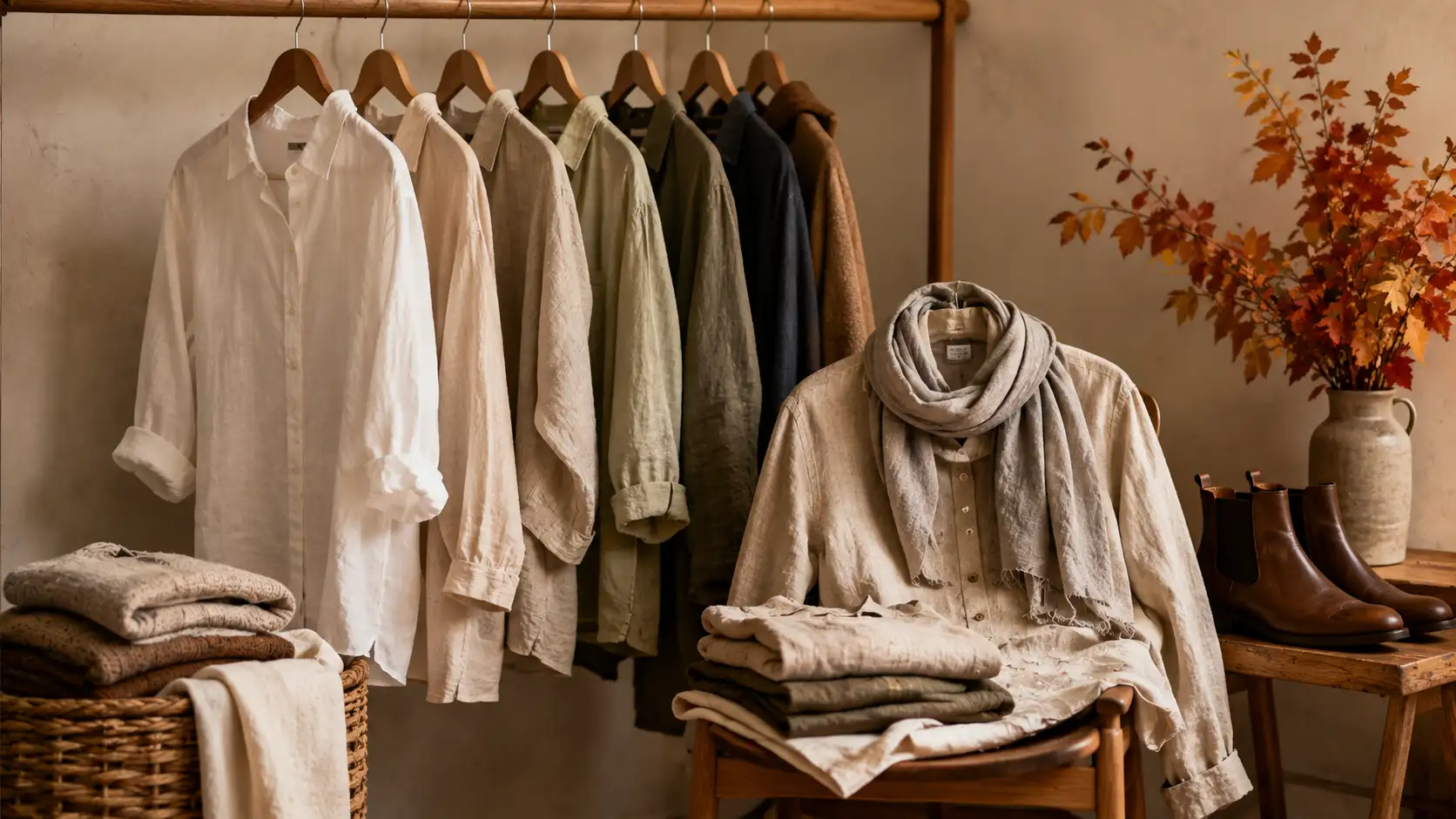
A major shift is happening in how we think about seasonal wardrobes. Today, fashion stylists, capsule wardrobe enthusiasts, and conscious shoppers are embracing linen as a genuine year-round hero fabric. But what makes this ancient natural textile suitable for cooler months, and why linen is becoming the fabric of choice beyond summer , remains an intriguing story of science, sustainability, and smart layering.
Conversely, when temperatures drop, those same hollow fibres retain heat while providing a gentle insulated barrier next to your skin. Unlike heavy synthetic materials that can cause sudden temperature swings and discomfort, linen maintains a steady, comfortable micro-climate, ensuring you stay warm without overheating.
A structured linen shirt worn beneath a soft cashmere jumper offers a refined textural contrast that elevates an ordinary autumn outfit. Furthermore, because linen is exceptionally breathable, it wicks away subtle moisture when moving between cold outdoors and heated indoor rooms, preventing that uncomfortable, clammy feeling associated with heavy winter layers.
Ultimately, understanding why linen is becoming the fabric of choice beyond summer comes down to appreciating its unmatched versatility, comfort, and enduring elegance. By looking past traditional seasonal boundaries, you can build a resilient, beautiful wardrobe that serves you comfortably all year long.
A major shift is happening in how we think about seasonal wardrobes. Today, fashion stylists, capsule wardrobe enthusiasts, and conscious shoppers are embracing linen as a genuine year-round hero fabric. But what makes this ancient natural textile suitable for cooler months, and why linen is becoming the fabric of choice beyond summer , remains an intriguing story of science, sustainability, and smart layering.
1. Remarkable Natural Temperature Regulation
The primary reason linen works so well in transitional and cold weather lies in its unique hollow flax fibres. Linen is naturally thermoregulating, meaning it responds to body heat and external temperatures. During scorching summer afternoons, the weave permits maximum airflow and releases trapped heat.Conversely, when temperatures drop, those same hollow fibres retain heat while providing a gentle insulated barrier next to your skin. Unlike heavy synthetic materials that can cause sudden temperature swings and discomfort, linen maintains a steady, comfortable micro-climate, ensuring you stay warm without overheating.
2. The Ideal Layering Companion
Mastering transitional weather requires clever layering, and medium-to-heavyweight linen is unmatched in this regard. Because high-quality linen carries structural weight without feeling bulky, it slips effortlessly under cardigans, tweed blazers, or wool trench coats.You may also like
- Vastu Shastra: Remove these things from your house during the month of Shravan, they bring negativity. Click here to know more
- Flipkart follows in Zomato and Swiggy's footsteps! May launch food delivery service from August 15..
- Male Fertility After 35: What Changes to Expect
- Field trips enhance learning: Bridging classroom theory with real-world application and student engagement
- Before the 24th installment of the PM Kisan Yojana, farmers will get a gift of ₹3.15 lakh crore..
A structured linen shirt worn beneath a soft cashmere jumper offers a refined textural contrast that elevates an ordinary autumn outfit. Furthermore, because linen is exceptionally breathable, it wicks away subtle moisture when moving between cold outdoors and heated indoor rooms, preventing that uncomfortable, clammy feeling associated with heavy winter layers.
3. Durability and Softness That Improves Over Time
Unlike many contemporary fast-fashion materials that degrade, pill, or stretch out after a single season, linen is remarkably durable, roughly 30 percent stronger than cotton. Even better, it exhibits a unique property: it becomes softer, more supple, and more comfortable with every wash while keeping its structural integrity. Investing in well-made linen pieces means owning timeless garments that look even better during their second and third years of wear.4. Eco-Friendly and Sustainable Credibility
As shoppers become increasingly aware of the environmental footprint of their wardrobes, linen stands out as a clear ecological leader. Made from the hardy flax plant, linen requires significantly less water, land, and pesticides to cultivate than conventional cotton. It is fully biodegradable, hypoallergenic, and gentle on sensitive skin. Choosing year-round linen pieces aligns perfectly with the growing movement toward sustainable, slow-fashion choices.Reimagining Your Seasonal Style
Transitioning linen into autumn and winter is surprisingly easy. Swap pale neutrals for deep jewel tones like forest green, rich terracotta, and classic navy. Pair wide-leg linen trousers with leather ankle boots and structured knitwear for an effortless, contemporary look.Ultimately, understanding why linen is becoming the fabric of choice beyond summer comes down to appreciating its unmatched versatility, comfort, and enduring elegance. By looking past traditional seasonal boundaries, you can build a resilient, beautiful wardrobe that serves you comfortably all year long.






Loving Newspoint? Download the app now
