
Why People Are Creating 'No-Buy' Travel Challenges: The Rise of Conscious Travel

For generations, the traditional holiday experience was closely tied to spending money. From buying new wardrobe items before embarking on a trip to collecting expensive souvenirs, dining out at high-end restaurants, and paying for luxury experiences, travelling often went hand in hand with heavy consumerism. However, a fresh cultural movement is taking hold across the global travel community. A growing number of holidaymakers are turning their backs on frivolous spending by embracing the 'no-buy' travel challenge.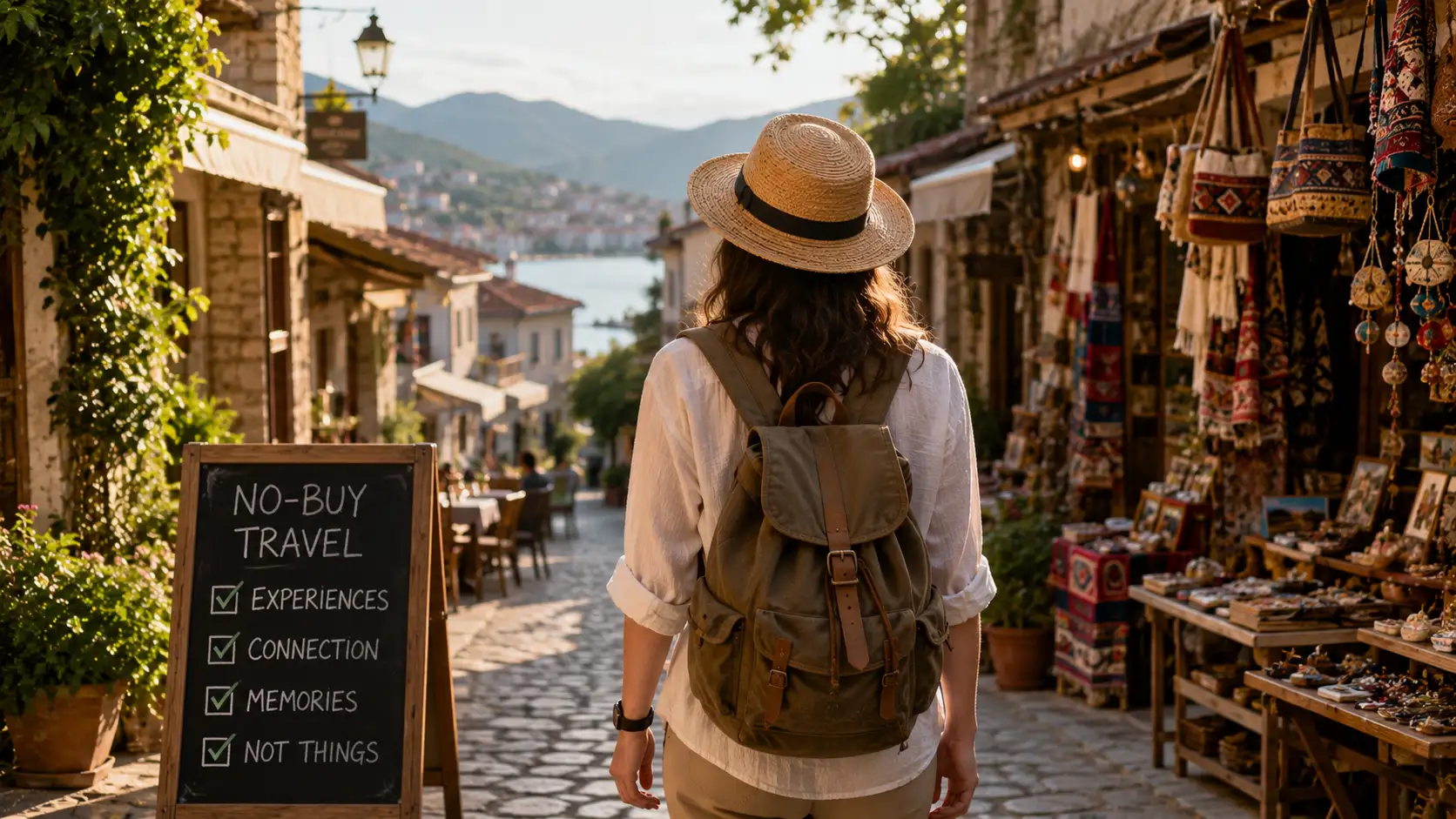
Originating as a popular trend on social media platforms, the 'no-buy' travel challenge involves setting strict financial boundaries while exploring new destinations. Rather than attempting to travel completely without money, which is practically impossible, participants commit to paying only for true essentials like transport, basic accommodation, and food. All non-essential purchases, including impulse shopping, overpriced tourist trinkets, trendy café drinks, and unnecessary upgrades, are strictly off-limits. But why are so many people eagerly signing up for these self-imposed spending bans?
A 'no-buy' pledge forces travellers to shift their focus away from collecting physical items and toward immersing themselves in authentic local cultures. Instead of spending an afternoon browsing commercial gift shops, travellers are inspired to seek out free walking tours, explore public parks, visit local food markets, or embark on picturesque scenic hikes. The result is often a far richer, more memorable experience that relies on curiosity rather than cash.
Originating as a popular trend on social media platforms, the 'no-buy' travel challenge involves setting strict financial boundaries while exploring new destinations. Rather than attempting to travel completely without money, which is practically impossible, participants commit to paying only for true essentials like transport, basic accommodation, and food. All non-essential purchases, including impulse shopping, overpriced tourist trinkets, trendy café drinks, and unnecessary upgrades, are strictly off-limits. But why are so many people eagerly signing up for these self-imposed spending bans?
1. Beating Financial Strain and Living Costs
The primary driver behind the 'no-buy' travel challenge is the practical reality of modern living costs. With everyday expenses rising globally, many people find that their discretionary budgets are squeezed. Instead of cancelling their holiday plans altogether, budget-conscious individuals use spending challenges as a tool to keep travelling without falling into debt. By cutting out impulse purchases on the road, travellers can allocate their funds strictly toward the core journey itself.You may also like
- The role of predictive healthcare and data-driven approach in modern medicine
- Psychology says people who keep returning to Goa, Himachal, Kerala or same destination are not boring; it has everything to do with the human brain
- Batwara 1947 Dialogues: Sunny Deol's Powerful Dialogues Wins Hearts
- Lack of Sleep Can Affect Children's Health: Here's How to Build a Better Sleep Routine
- Gen-Z Slang Goes Mainstream: What Do 'Clocked It', 'Delulu', 'FOMO', and 'MIA' Mean?
2. Shifting from Material Goods to Genuine Experiences
Many participants in the 'no-buy' travel challenge cite a desire to break free from the constant pressure of social media consumerism. In an era of online haul videos and sponsored recommendations, holidays can easily degenerate into glorified shopping trips.A 'no-buy' pledge forces travellers to shift their focus away from collecting physical items and toward immersing themselves in authentic local cultures. Instead of spending an afternoon browsing commercial gift shops, travellers are inspired to seek out free walking tours, explore public parks, visit local food markets, or embark on picturesque scenic hikes. The result is often a far richer, more memorable experience that relies on curiosity rather than cash.
3. Encouraging Resourcefulness and Creativity
Restricting your spending triggers a surprising burst of creative thinking. Travellers taking part in the challenge often find innovative ways to enjoy their trips. They might pack lunches using fresh local produce from a neighbourhood grocery store instead of eating at expensive tourist spots every afternoon. Others take up hobbies like travel sketching, photography, or journaling to record their memories rather than buying mass-produced souvenirs.4. Reducing Waste and Environmental Impact
Finally, there is a strong environmental motivation driving the movement. Buying cheap, throwaway souvenirs, excess plastic water bottles, and single-use travel items creates unnecessary waste. By committing to a 'no-buy' travel challenge, environmentally conscious explorers reduce their personal carbon footprint and minimise the physical impact they leave on fragile tourist ecosystems.A Permanent Shift in Travel Mindset
Ultimately, the 'no-buy' travel challenge proves that unforgettable travel experiences do not depend on how much money you spend. By prioritizing presence over purchasing, modern holidaymakers are discovering that the best parts of a journey, connection, discovery, and personal growth are completely free.





Loving Newspoint? Download the app now
