
Forget Venice! These Lakes in India Offer Markets, Houseboats and a National Park

When people think of unique water-based destinations, places like Venice or the Maldives often come to mind. However, some of the most extraordinary floating wonders can be found much closer to home. Floating lakes in India offer experiences that are unlike anywhere else in the world—from bustling markets that operate entirely on water to floating islands , houseboats and even a national park built on a lake.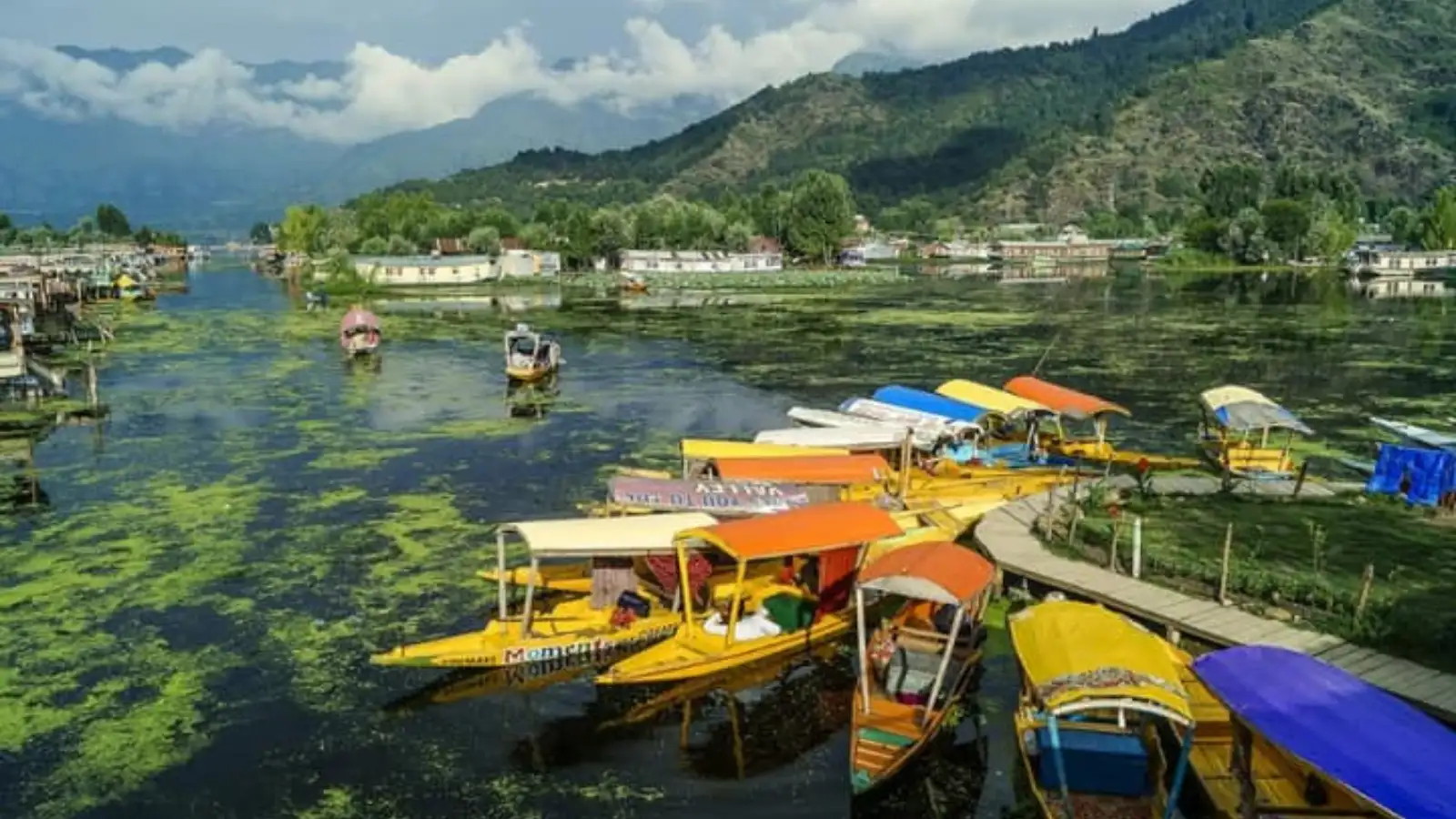
Among the most remarkable examples are Dal Lake in Kashmir and Loktak Lake in Manipur. These stunning water bodies are not just tourist attractions; they are living ecosystems and home to communities that have adapted to life on water for generations.
Dal Lake: Kashmir’s Floating Paradise
Nestled amid the majestic Himalayas, Dal Lake is one of Kashmir’s most celebrated landmarks. Often regarded as the pride of Srinagar, the lake attracts visitors with its tranquil beauty, traditional culture and unforgettable experiences.
Stay in Traditional Floating Houseboats
One of Dal Lake’s most iconic features is its collection of beautifully crafted houseboats. Built mainly from wood and decorated with intricate carvings, these floating homes offer travellers a unique opportunity to stay directly on the lake.
Waking up to mist-covered mountains, calm waters and scenic views creates an experience that feels worlds away from the hustle and bustle of city life. For many visitors, a stay on a Dal Lake houseboat becomes the highlight of their Kashmir trip.
The Famous Floating Market of Dal Lake
Dal Lake is also home to one of India’s most unusual marketplaces. Before sunrise, local traders gather in colourful shikaras to buy and sell fresh vegetables, flowers and other goods directly on the water.
The floating market is a centuries-old tradition that continues to thrive today. Watching vendors glide across the lake while negotiating prices creates a vibrant and picturesque scene that attracts photographers and tourists from around the world.
Shikara Rides and Scenic Beauty
Apart from the floating market, visitors can enjoy relaxing shikara rides through the lake’s winding waterways. Surrounded by snow-capped peaks, gardens and traditional Kashmiri culture, Dal Lake offers a peaceful escape that captures the essence of Kashmir’s natural beauty.
Loktak Lake: Home to Floating Islands and a Floating National Park
Located in Manipur, Loktak Lake is one of India’s largest freshwater lakes and one of the most unique aquatic ecosystems on Earth. What makes it truly special is the presence of floating land masses known as phumdis .
The Incredible Floating Islands of Loktak Lake
Phumdis are naturally formed masses of vegetation, soil and organic matter that float on the lake’s surface. These floating formations resemble drifting islands and create a landscape unlike any other in India.
Their constantly changing shapes and positions give Loktak Lake a magical appearance, making it a favourite destination for nature enthusiasts and researchers alike.
Life on Water at Champu Khangpok
The floating environment of Loktak Lake has shaped the lifestyle of local communities. In places such as Champu Khangpok, boats are an essential part of daily life.
Residents rely on the lake for transportation, fishing and other everyday activities. Here, waterways function much like roads, connecting people and supporting livelihoods in a way rarely seen elsewhere in the country.
Keibul Lamjao: The World’s Only Floating National Park
Perhaps the most extraordinary attraction associated with Loktak Lake is Keibul Lamjao National Park . Recognised as the world’s only floating national park, it is built on thick layers of phumdis that support an exceptional ecosystem.
Sanctuary for the Rare Sangai Deer
The park is best known as the natural habitat of the endangered Sangai deer, often called the “dancing deer” because of its graceful movements. This rare species is found only in Manipur and has become a symbol of the region’s rich biodiversity.
The floating national park also supports numerous bird species and aquatic life, making it an important destination for wildlife conservation and eco-tourism.
Why These Floating Lakes in India Deserve a Place on Your Travel List
Dal Lake and Loktak Lake showcase a remarkable blend of nature, culture and human adaptation. Whether it is the lively floating vegetable market of Kashmir, the elegant houseboats of Srinagar, the drifting phumdis of Manipur or the world’s only floating national park, these destinations reveal a side of India that many travellers have yet to discover.
Far more than scenic attractions, these lakes tell stories of communities, traditions and ecosystems that have flourished on water for generations. For anyone seeking an unforgettable travel experience, these extraordinary floating worlds offer a journey unlike any other.
Among the most remarkable examples are Dal Lake in Kashmir and Loktak Lake in Manipur. These stunning water bodies are not just tourist attractions; they are living ecosystems and home to communities that have adapted to life on water for generations.
Dal Lake: Kashmir’s Floating Paradise
Nestled amid the majestic Himalayas, Dal Lake is one of Kashmir’s most celebrated landmarks. Often regarded as the pride of Srinagar, the lake attracts visitors with its tranquil beauty, traditional culture and unforgettable experiences.
Stay in Traditional Floating Houseboats
One of Dal Lake’s most iconic features is its collection of beautifully crafted houseboats. Built mainly from wood and decorated with intricate carvings, these floating homes offer travellers a unique opportunity to stay directly on the lake.
Waking up to mist-covered mountains, calm waters and scenic views creates an experience that feels worlds away from the hustle and bustle of city life. For many visitors, a stay on a Dal Lake houseboat becomes the highlight of their Kashmir trip.
The Famous Floating Market of Dal Lake
Dal Lake is also home to one of India’s most unusual marketplaces. Before sunrise, local traders gather in colourful shikaras to buy and sell fresh vegetables, flowers and other goods directly on the water.
The floating market is a centuries-old tradition that continues to thrive today. Watching vendors glide across the lake while negotiating prices creates a vibrant and picturesque scene that attracts photographers and tourists from around the world.
Shikara Rides and Scenic Beauty
Apart from the floating market, visitors can enjoy relaxing shikara rides through the lake’s winding waterways. Surrounded by snow-capped peaks, gardens and traditional Kashmiri culture, Dal Lake offers a peaceful escape that captures the essence of Kashmir’s natural beauty.
Loktak Lake: Home to Floating Islands and a Floating National Park
Located in Manipur, Loktak Lake is one of India’s largest freshwater lakes and one of the most unique aquatic ecosystems on Earth. What makes it truly special is the presence of floating land masses known as phumdis .
You may also like
- Yoga Is For The Universal Harmony
- Tomorrowland Thailand 2026 is just a short flight away: Here's how Indian travellers can plan the perfect trip
- Meet Kunal Shah: At 15 he worked as a delivery boy, today he is the Global Head of WhatsApp and founder of startup valued at $4.5 billion
- Peace begins within
- Psychology suggests adults who repeatedly check that the door is locked aren't doubting their memory: They're searching for certainty in a world that rarely offers enough of it
The Incredible Floating Islands of Loktak Lake
Phumdis are naturally formed masses of vegetation, soil and organic matter that float on the lake’s surface. These floating formations resemble drifting islands and create a landscape unlike any other in India.
Their constantly changing shapes and positions give Loktak Lake a magical appearance, making it a favourite destination for nature enthusiasts and researchers alike.
Life on Water at Champu Khangpok
The floating environment of Loktak Lake has shaped the lifestyle of local communities. In places such as Champu Khangpok, boats are an essential part of daily life.
Residents rely on the lake for transportation, fishing and other everyday activities. Here, waterways function much like roads, connecting people and supporting livelihoods in a way rarely seen elsewhere in the country.
Keibul Lamjao: The World’s Only Floating National Park
Perhaps the most extraordinary attraction associated with Loktak Lake is Keibul Lamjao National Park . Recognised as the world’s only floating national park, it is built on thick layers of phumdis that support an exceptional ecosystem.
Sanctuary for the Rare Sangai Deer
The park is best known as the natural habitat of the endangered Sangai deer, often called the “dancing deer” because of its graceful movements. This rare species is found only in Manipur and has become a symbol of the region’s rich biodiversity.
The floating national park also supports numerous bird species and aquatic life, making it an important destination for wildlife conservation and eco-tourism.
Why These Floating Lakes in India Deserve a Place on Your Travel List
Dal Lake and Loktak Lake showcase a remarkable blend of nature, culture and human adaptation. Whether it is the lively floating vegetable market of Kashmir, the elegant houseboats of Srinagar, the drifting phumdis of Manipur or the world’s only floating national park, these destinations reveal a side of India that many travellers have yet to discover.
Far more than scenic attractions, these lakes tell stories of communities, traditions and ecosystems that have flourished on water for generations. For anyone seeking an unforgettable travel experience, these extraordinary floating worlds offer a journey unlike any other.






More from our partners


Loving Newspoint? Download the app now
