
Fresh Herbs in Your Kitchen Could Be Riskier Than You Think: Here's Why

Cyclospora outbreaks have once again raised concerns about the safety of fresh produce, with certain kitchen herbs coming under the spotlight during food safety investigations. While herbs like cilantro, basil and parsley are packed with flavour and nutrients, they have occasionally been linked to Cyclospora contamination in past outbreak investigations. Importantly, these herbs do not naturally carry the parasite. Instead, contamination can occur during cultivation, harvesting, washing or handling if proper hygiene standards are not maintained. Understanding how these outbreaks happen can help consumers make informed choices without unnecessarily avoiding healthy ingredients.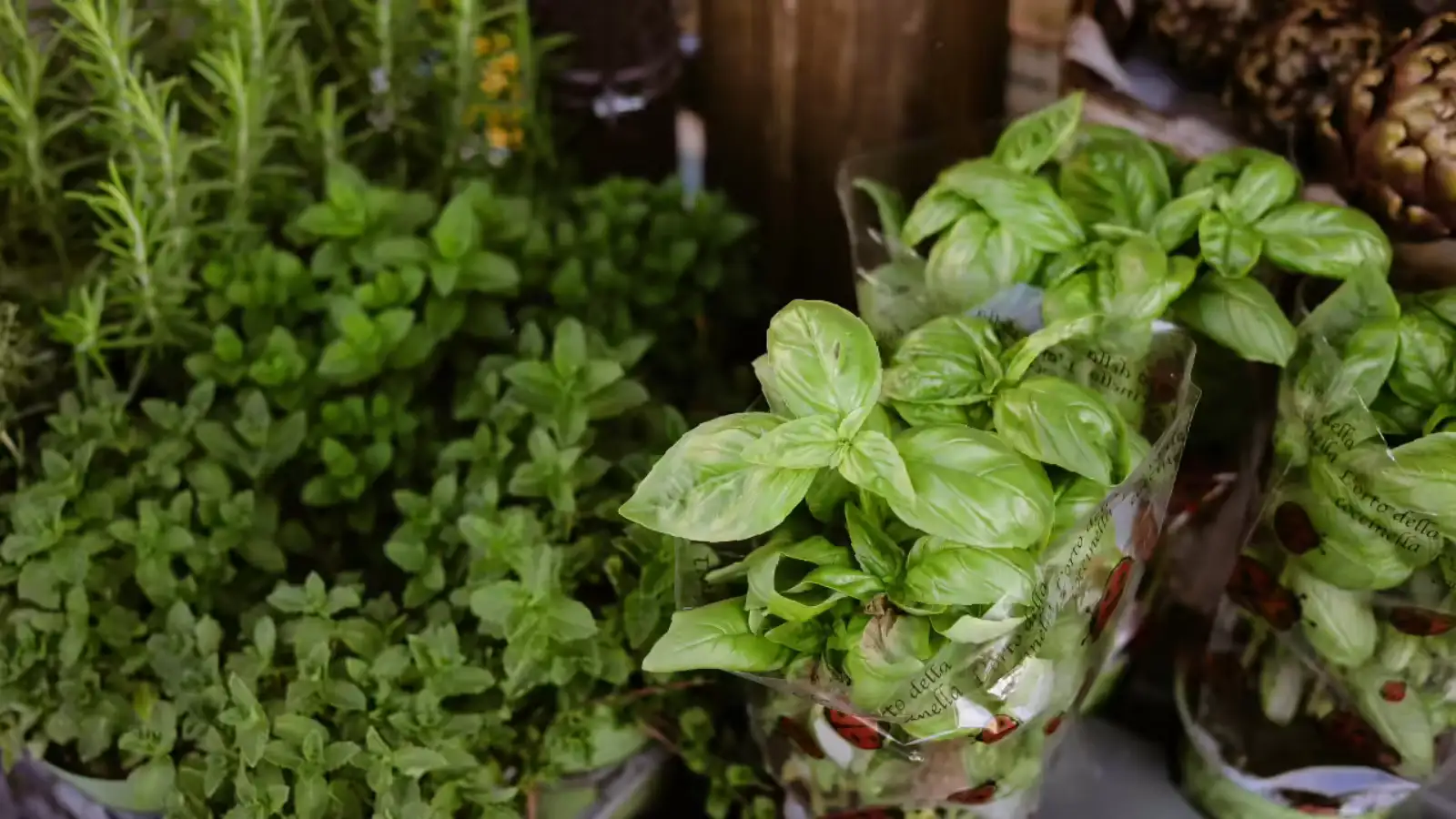
What Is Cyclospora and Why Is It a Concern?
Cyclospora is a microscopic parasite that causes an intestinal illness known as cyclosporiasis. People infected with the parasite may experience prolonged diarrhoea, stomach cramps, nausea, loss of appetite, fatigue and weight loss. Public health agencies have investigated several outbreaks over the years, often tracing infections back to contaminated fresh produce.
Unlike many food-borne bacteria, Cyclospora requires time in the environment before it becomes capable of infecting people. Because of this, the parasite is generally not spread directly from one person to another. Instead, contamination typically occurs before food reaches consumers.
Kitchen Herbs Previously Linked to Cyclospora Outbreaks
Although fresh herbs remain safe in most cases, investigations by food safety authorities have identified a few varieties that have been associated with Cyclospora outbreaks.
1. Cilantro (Coriander)
Cilantro has been the herb most frequently linked to Cyclospora investigations, particularly across North America.
Several outbreak investigations found contaminated cilantro originating from specific growing regions, prompting stricter import checks and enhanced food safety measures. Experts believe the contamination occurs when irrigation water, washing water or handling practices expose the herb to human waste containing Cyclospora.
It is important to note that cilantro itself does not naturally harbour the parasite. The risk arises only when contamination occurs somewhere along the supply chain.
2. Basil
Fresh basil has also appeared in a small number of documented Cyclospora outbreak investigations.
Since basil is commonly consumed raw in salads, sandwiches, pasta dishes and garnishes, there is no cooking process to eliminate potential contaminants. Its delicate leaves and uneven surface can also make thorough cleaning more challenging.
As with cilantro, basil becomes a concern only if contamination occurs during farming, processing or transportation—not because the herb naturally contains the parasite.
3. Parsley
Parsley has been linked to Cyclospora outbreaks less often than cilantro, but it has featured in some food safety investigations.
This herb is frequently sprinkled over cooked dishes just before serving, meaning it often bypasses the high temperatures that can destroy many food-borne organisms. Because it is commonly served fresh, public health officials carefully investigate parsley whenever outbreaks involve ready-to-eat foods.
How Do Fresh Herbs Become Contaminated?
Fresh herbs are not the original source of Cyclospora. Instead, contamination may occur at different stages before they reach consumers.
Possible sources include:
Food safety experts stress that maintaining proper sanitation practices throughout the supply chain is the most effective way to minimise the risk.
Can Washing Herbs Remove Cyclospora?
Simply rinsing herbs under running water can help remove visible dirt and some surface debris, but it may not reliably eliminate Cyclospora parasites.
Because the parasite can cling to fresh produce, washing alone cannot guarantee complete removal. Cooking generally reduces the risk by destroying many food-borne organisms, but herbs that are typically eaten raw remain more vulnerable if contamination occurred before they reached the kitchen.
How to Reduce the Risk When Using Fresh Herbs
While the overall risk remains low, following good food safety practices can help minimise exposure:
Fresh herbs continue to be a nutritious and flavourful addition to everyday meals, and the vast majority are perfectly safe to consume. However, past Cyclospora outbreaks have shown that herbs such as cilantro, basil and parsley can become contaminated under certain conditions during production or handling. Rather than avoiding these ingredients altogether, consumers should focus on purchasing produce from reliable sources and following recommended food safety practices to reduce potential risks.
Disclaimer: This article is intended for educational and awareness purposes only and should not be considered medical advice. If you experience persistent gastrointestinal symptoms or suspect a food-borne illness, seek advice from a qualified healthcare professional.
What Is Cyclospora and Why Is It a Concern?
Cyclospora is a microscopic parasite that causes an intestinal illness known as cyclosporiasis. People infected with the parasite may experience prolonged diarrhoea, stomach cramps, nausea, loss of appetite, fatigue and weight loss. Public health agencies have investigated several outbreaks over the years, often tracing infections back to contaminated fresh produce.
Unlike many food-borne bacteria, Cyclospora requires time in the environment before it becomes capable of infecting people. Because of this, the parasite is generally not spread directly from one person to another. Instead, contamination typically occurs before food reaches consumers.
Kitchen Herbs Previously Linked to Cyclospora Outbreaks
Although fresh herbs remain safe in most cases, investigations by food safety authorities have identified a few varieties that have been associated with Cyclospora outbreaks.
1. Cilantro (Coriander)
Cilantro has been the herb most frequently linked to Cyclospora investigations, particularly across North America.
Several outbreak investigations found contaminated cilantro originating from specific growing regions, prompting stricter import checks and enhanced food safety measures. Experts believe the contamination occurs when irrigation water, washing water or handling practices expose the herb to human waste containing Cyclospora.
It is important to note that cilantro itself does not naturally harbour the parasite. The risk arises only when contamination occurs somewhere along the supply chain.
2. Basil
Fresh basil has also appeared in a small number of documented Cyclospora outbreak investigations.
Since basil is commonly consumed raw in salads, sandwiches, pasta dishes and garnishes, there is no cooking process to eliminate potential contaminants. Its delicate leaves and uneven surface can also make thorough cleaning more challenging.
As with cilantro, basil becomes a concern only if contamination occurs during farming, processing or transportation—not because the herb naturally contains the parasite.
3. Parsley
Parsley has been linked to Cyclospora outbreaks less often than cilantro, but it has featured in some food safety investigations.
This herb is frequently sprinkled over cooked dishes just before serving, meaning it often bypasses the high temperatures that can destroy many food-borne organisms. Because it is commonly served fresh, public health officials carefully investigate parsley whenever outbreaks involve ready-to-eat foods.
How Do Fresh Herbs Become Contaminated?
Fresh herbs are not the original source of Cyclospora. Instead, contamination may occur at different stages before they reach consumers.
Possible sources include:
You may also like
- How to Swaddle A Newborn Properly: A Step-by-Step Guide
- Retirement Planning: Ensure a regular income after retirement! These 6 excellent options will secure your future..
- Why isn't just drinking water enough during the monsoon season? Electrolytes are also essential for keeping the body hydrated. Learn more
- Sawan 2026:Important Dates,and Lord Shiva's Sacred Month
- From NEET aspirant to Supreme Court litigant: How the 19-Year-Old teenager fought for his right to become a doctor
- Contaminated irrigation water used during cultivation.
- Washing produce with unsafe water.
- Poor hygiene during harvesting and handling.
- Contamination during packaging or processing.
Food safety experts stress that maintaining proper sanitation practices throughout the supply chain is the most effective way to minimise the risk.
Can Washing Herbs Remove Cyclospora?
Simply rinsing herbs under running water can help remove visible dirt and some surface debris, but it may not reliably eliminate Cyclospora parasites.
Because the parasite can cling to fresh produce, washing alone cannot guarantee complete removal. Cooking generally reduces the risk by destroying many food-borne organisms, but herbs that are typically eaten raw remain more vulnerable if contamination occurred before they reached the kitchen.
How to Reduce the Risk When Using Fresh Herbs
While the overall risk remains low, following good food safety practices can help minimise exposure:
- Buy fresh herbs from trusted retailers.
- Wash herbs thoroughly under clean running water before use.
- Store herbs properly in the refrigerator.
- Practise good kitchen hygiene by washing hands, utensils and cutting boards.
- Cook herbs when suitable for the recipe, as heat can lower the risk of many food-borne pathogens.
Fresh herbs continue to be a nutritious and flavourful addition to everyday meals, and the vast majority are perfectly safe to consume. However, past Cyclospora outbreaks have shown that herbs such as cilantro, basil and parsley can become contaminated under certain conditions during production or handling. Rather than avoiding these ingredients altogether, consumers should focus on purchasing produce from reliable sources and following recommended food safety practices to reduce potential risks.
Disclaimer: This article is intended for educational and awareness purposes only and should not be considered medical advice. If you experience persistent gastrointestinal symptoms or suspect a food-borne illness, seek advice from a qualified healthcare professional.






Loving Newspoint? Download the app now
