
How Butterflies Get Their Wing Patterns: Scientists Reveal Genetic Secrets

The science behind butterfly wing patterns has fascinated researchers for centuries. From vivid tropical colours to subtle camouflage designs, butterflies display some of the most striking visuals in the natural world. For a long time, scientists knew that genetics played a role, but the exact process behind these intricate designs remained unclear.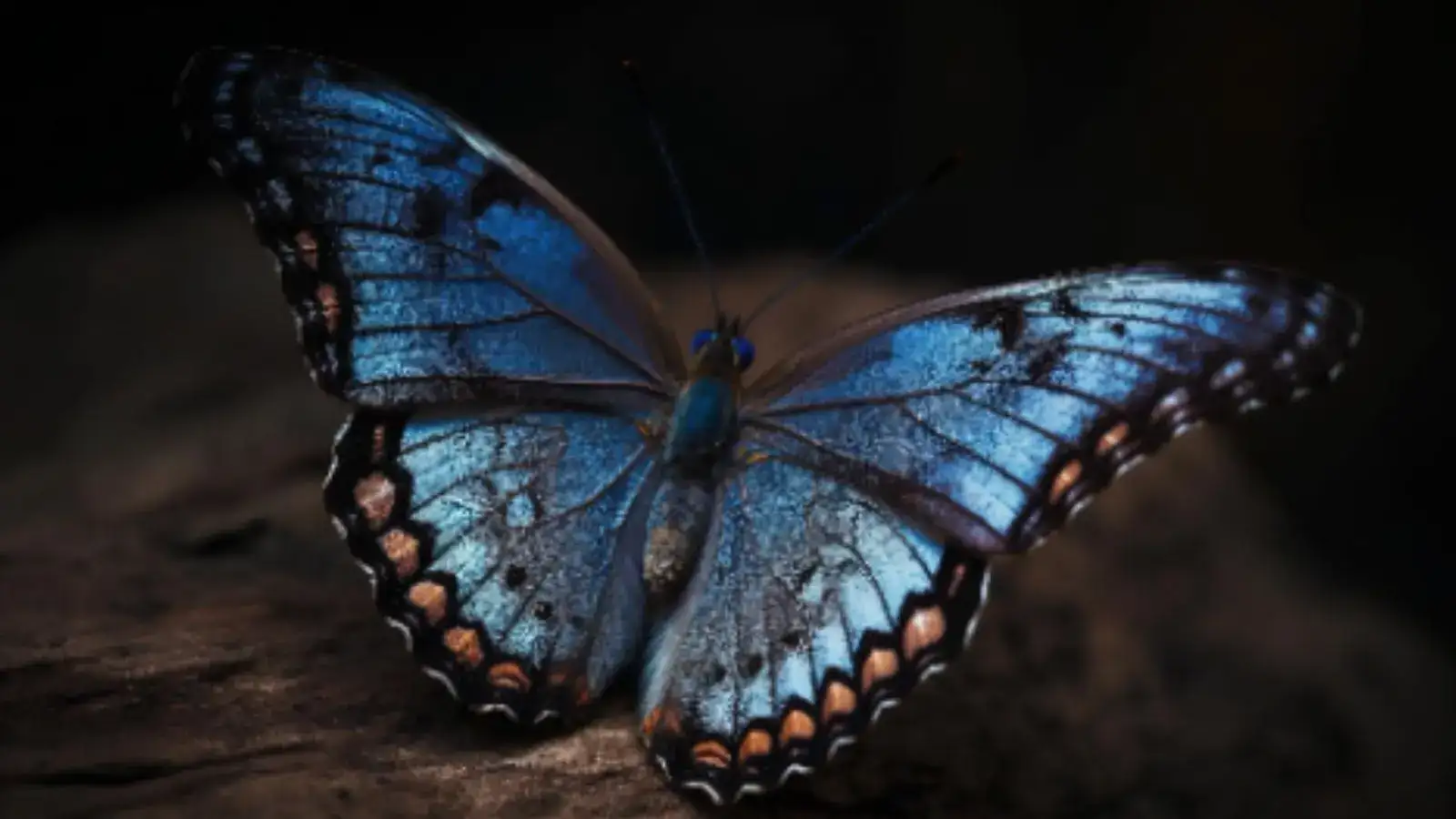
Now, recent scientific discoveries are finally revealing how butterfly wing patterns are formed. Research into butterfly genomes shows that surprisingly small genetic changes, combined with complex gene regulation , are responsible for producing these stunning designs. These findings are helping scientists better understand evolution, adaptation, and the way nature creates diversity with remarkable efficiency.
Why butterfly wing patterns matter in nature
Butterfly wings are not just about beauty - they are essential for survival. Every colour, stripe, and spot has a purpose shaped by evolution.
In nature, butterfly wing patterns serve several important functions:
These patterns are not random decorations. They are carefully controlled biological features that directly influence whether a butterfly survives long enough to reproduce.
The genetic secrets behind butterfly colours
Modern genetic research has uncovered a major breakthrough: butterfly wing patterns are often controlled by a surprisingly small number of genes.
Instead of thousands of genetic differences, scientists have found that a few key genes act like biological control centres. These genes determine where pigments appear and how patterns form on the wings.
Even more interesting is the role of genetic “switches.” These switches decide:
This means that two butterfly species can share the same genes but still look completely different. The difference lies not in the genes themselves, but in how they are used during development.
How evolution reuses genetic tools
One of the most fascinating discoveries in the study of butterfly wing patterns is that evolution often reuses the same genetic tools across different species.
Research on colourful Heliconius butterflies from Central and South America has shown that similar wing patterns are frequently controlled by the same regions of DNA. Instead of creating new genetic systems, evolution modifies existing ones.
This means:
A study published in leading scientific research has shown that even large differences between butterfly species can be traced back to shared genetic frameworks. This highlights how efficient evolutionary processes can be over millions of years.
Gene switches: The real control behind patterns
A key discovery in understanding butterfly wing patterns is the importance of gene regulation. It is not just which genes exist, but how they are controlled that matters most.
Gene regulation works like a control system:
Inside the chrysalis, a butterfly undergoes a carefully programmed transformation. During this stage, gene activity determines how pigments spread and how patterns are arranged.
This explains why two butterflies with similar genetic makeup can still have completely different wing designs. Evolution often changes the “settings” of genes rather than the genes themselves.
Survival, mimicry and natural selection
The evolution of butterfly wing patterns is strongly linked to survival. In the wild, appearance can determine life or death.
Natural selection favours patterns that improve survival chances:
For example, brightly coloured butterflies often signal toxicity. Predators that have had bad experiences learn to avoid them in the future. Over time, these colour patterns become more common in the population.
Mimicry is another powerful strategy. Harmless butterflies gain protection by resembling toxic species, even without producing any defensive chemicals themselves. The success of this strategy depends on how accurately the butterfly wing patterns are copied.
What butterfly research reveals about evolution
Butterflies are one of the best natural models for studying evolution because their wing patterns are easy to observe and compare.
Research into butterfly wing patterns is helping scientists understand broader evolutionary principles, including:
This field, known as evolutionary developmental biology (evo-devo), shows that evolution is often more efficient than previously believed. Instead of constantly inventing new genes, nature frequently modifies existing genetic systems to create new traits.
Nature’s hidden design system
The study of butterfly wing patterns has revealed far more than just the secret behind beautiful wings. It has uncovered a powerful story of genetic control, evolution, and survival.
What looks like simple beauty is actually the result of millions of years of fine-tuned biological engineering. Every colour patch and stripe reflects a long evolutionary history shaped by natural selection.
Even more importantly, this research suggests that the same genetic principles behind butterfly wings may also explain how complex traits evolve across many species in the animal kingdom. Butterflies, in their delicate beauty, are helping scientists unlock some of the deepest mysteries of life itself.
Now, recent scientific discoveries are finally revealing how butterfly wing patterns are formed. Research into butterfly genomes shows that surprisingly small genetic changes, combined with complex gene regulation , are responsible for producing these stunning designs. These findings are helping scientists better understand evolution, adaptation, and the way nature creates diversity with remarkable efficiency.
Why butterfly wing patterns matter in nature
Butterfly wings are not just about beauty - they are essential for survival. Every colour, stripe, and spot has a purpose shaped by evolution.
In nature, butterfly wing patterns serve several important functions:
- Warning signals (aposematism): Bright colours can warn predators that a butterfly is toxic or unpalatable.
- Camouflage: Some species blend perfectly into leaves, bark, or flowers to avoid detection.
- Mimicry: Harmless butterflies often imitate the appearance of toxic species to protect themselves.
These patterns are not random decorations. They are carefully controlled biological features that directly influence whether a butterfly survives long enough to reproduce.
The genetic secrets behind butterfly colours
Modern genetic research has uncovered a major breakthrough: butterfly wing patterns are often controlled by a surprisingly small number of genes.
Instead of thousands of genetic differences, scientists have found that a few key genes act like biological control centres. These genes determine where pigments appear and how patterns form on the wings.
Even more interesting is the role of genetic “switches.” These switches decide:
- When a gene is activated
- Where it is expressed on the wing
- How strongly it influences colour formation
This means that two butterfly species can share the same genes but still look completely different. The difference lies not in the genes themselves, but in how they are used during development.
How evolution reuses genetic tools
One of the most fascinating discoveries in the study of butterfly wing patterns is that evolution often reuses the same genetic tools across different species.
Research on colourful Heliconius butterflies from Central and South America has shown that similar wing patterns are frequently controlled by the same regions of DNA. Instead of creating new genetic systems, evolution modifies existing ones.
This means:
- Nature “recycles” successful genetic solutions
- Small DNA changes can create major visual differences
- Evolution builds on what already exists rather than starting from scratch
A study published in leading scientific research has shown that even large differences between butterfly species can be traced back to shared genetic frameworks. This highlights how efficient evolutionary processes can be over millions of years.
Gene switches: The real control behind patterns
A key discovery in understanding butterfly wing patterns is the importance of gene regulation. It is not just which genes exist, but how they are controlled that matters most.
Gene regulation works like a control system:
- Genes can be switched on or off
- They can be active in one part of the wing but inactive in another
- Timing during development plays a crucial role
Inside the chrysalis, a butterfly undergoes a carefully programmed transformation. During this stage, gene activity determines how pigments spread and how patterns are arranged.
This explains why two butterflies with similar genetic makeup can still have completely different wing designs. Evolution often changes the “settings” of genes rather than the genes themselves.
Survival, mimicry and natural selection
The evolution of butterfly wing patterns is strongly linked to survival. In the wild, appearance can determine life or death.
Natural selection favours patterns that improve survival chances:
You may also like
- Post Office's Fantastic Scheme: Keep depositing ₹12,500 and receive a lump sum of ₹40 Lakhs—with zero risk..
- The Hidden Risk: Can You Have a Heart Attack with Normal Cholesterol?
- EPFO 3.0: Withdraw PF Funds Instantly via UPI—Learn How the Amount Will Be Transferred and When This New Facility Will Launch..
- The Emotional Waves of Labour: How Feelings Can Affect the Birth Experience
- Preity Zinta just gave red carpet glam a maharani upgrade in this Rs 9.12 lakh pishwas set
- Butterflies with effective warning colours are avoided by predators
- Species that blend into their surroundings are harder to detect
- Mimics gain protection by copying dangerous species
For example, brightly coloured butterflies often signal toxicity. Predators that have had bad experiences learn to avoid them in the future. Over time, these colour patterns become more common in the population.
Mimicry is another powerful strategy. Harmless butterflies gain protection by resembling toxic species, even without producing any defensive chemicals themselves. The success of this strategy depends on how accurately the butterfly wing patterns are copied.
What butterfly research reveals about evolution
Butterflies are one of the best natural models for studying evolution because their wing patterns are easy to observe and compare.
Research into butterfly wing patterns is helping scientists understand broader evolutionary principles, including:
- How small genetic changes can lead to major physical differences
- How existing genes are reused in new ways
- How development influences evolution over time
This field, known as evolutionary developmental biology (evo-devo), shows that evolution is often more efficient than previously believed. Instead of constantly inventing new genes, nature frequently modifies existing genetic systems to create new traits.
Nature’s hidden design system
The study of butterfly wing patterns has revealed far more than just the secret behind beautiful wings. It has uncovered a powerful story of genetic control, evolution, and survival.
What looks like simple beauty is actually the result of millions of years of fine-tuned biological engineering. Every colour patch and stripe reflects a long evolutionary history shaped by natural selection.
Even more importantly, this research suggests that the same genetic principles behind butterfly wings may also explain how complex traits evolve across many species in the animal kingdom. Butterflies, in their delicate beauty, are helping scientists unlock some of the deepest mysteries of life itself.






More from our partners


Loving Newspoint? Download the app now
