
How Local Cuisine Shapes Happiness During Travel

When we look back on our favourite holidays, what memories shine brightest? While famous monuments and picturesque landscapes certainly leave an impression, it is often a meal that truly defines how a place made us feel. The sizzling street food in Bangkok, a hot bowl of soup on a chilly mountain afternoon, or fresh pasta shared at a bustling seaside square flavour has an extraordinary ability to anchor our emotional experiences. Understanding how local cuisine shapes happiness during travel reveals that food is far more than mere sustenance; it is the ultimate engine of joy on any journey.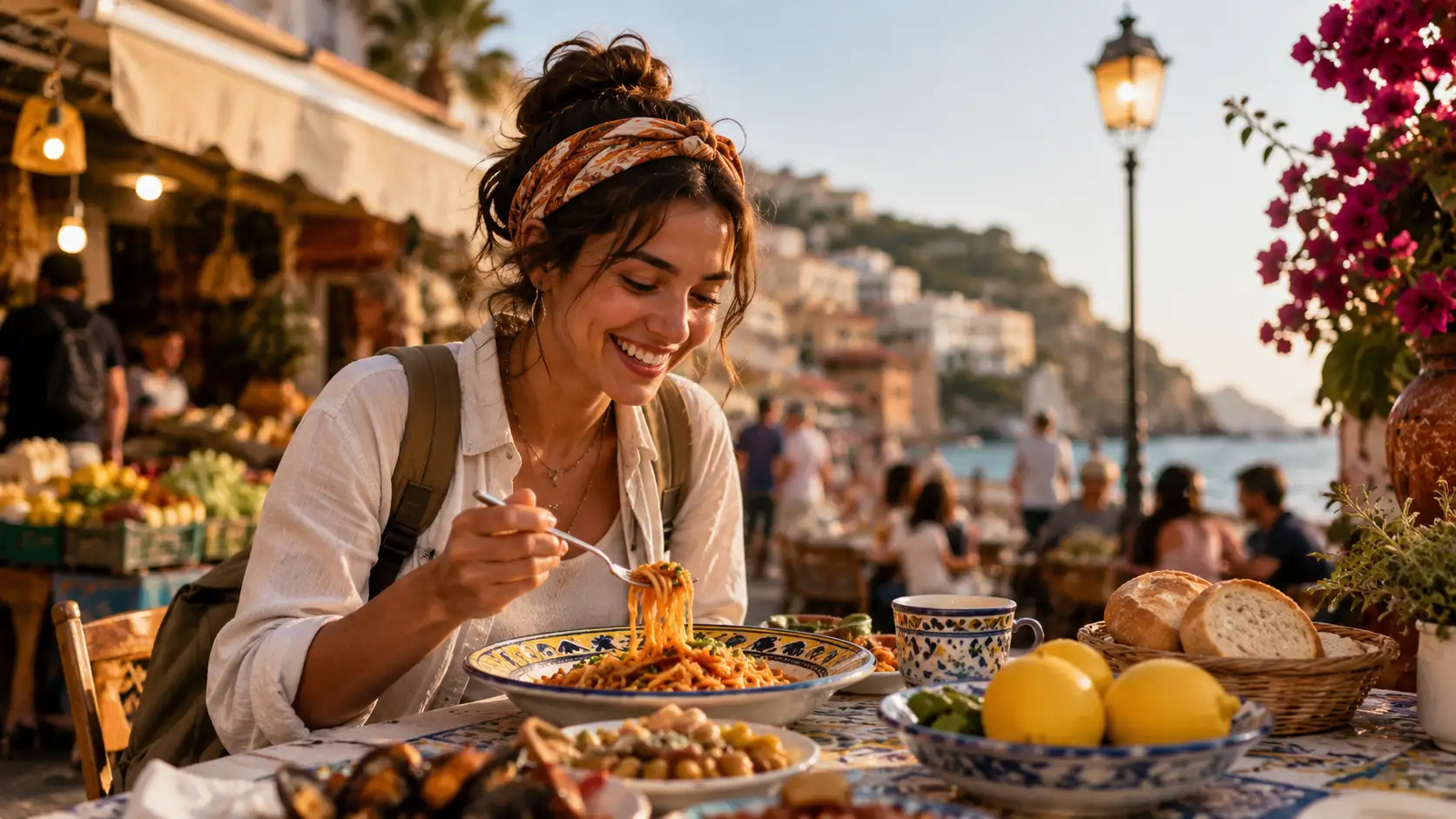
When you try a completely new dish, every bite forces you to slow down and pay attention. You notice complex spices, vibrant colours, unfamiliar textures, and fragrant aromas. This sensory engagement grounds you firmly in the present moment. Psychologists agree that mindful, sensory-rich experiences trigger dopamine releases in the brain, creating an instant feeling of contentment and genuine pleasure.
When you sit down at a family-run café or sample treats from a roadside food stall, you step out of the role of a passive tourist and become an active participant in local life. Striking up a conversation with a vendor about their secret family recipe or sharing a bench with local residents creates warm, human connections. These authentic interactions foster a deep sense of belonging and warmth that no traditional guided tour can match.
Tasting local ingredients gives you a direct, effortless lesson in local culture. Discovering how regional herbs, fresh seafood, or ancient bread-making techniques shape a community satisfies our natural human curiosity. This gentle process of learning through taste boosts emotional well-being and leaves travellers feeling enriched and fulfilled.
Long after you return home, recreating a recipe or smelling a specific blend of spices can instantly transport you back to a sunny holiday terrace. The happiness associated with local food does not end when your trip finishes; it remains stored as a joyful emotional anchor that you can revisit for years to come.
1. Awakening the Senses and Living in the Present
Modern life often leaves us operating on autopilot, rushing through quick meals while looking at screens. Travel breaks this cycle, and local food acts as an immediate sensory awakening.When you try a completely new dish, every bite forces you to slow down and pay attention. You notice complex spices, vibrant colours, unfamiliar textures, and fragrant aromas. This sensory engagement grounds you firmly in the present moment. Psychologists agree that mindful, sensory-rich experiences trigger dopamine releases in the brain, creating an instant feeling of contentment and genuine pleasure.
2. Building Genuine Human Connections
Sharing food is a universal language of hospitality that transcends cultural and linguistic barriers. Some of the happiest travel moments happen around a dining table.When you sit down at a family-run café or sample treats from a roadside food stall, you step out of the role of a passive tourist and become an active participant in local life. Striking up a conversation with a vendor about their secret family recipe or sharing a bench with local residents creates warm, human connections. These authentic interactions foster a deep sense of belonging and warmth that no traditional guided tour can match.
You may also like
- Vastu Shastra: Remove these things from your house during the month of Shravan, they bring negativity. Click here to know more
- Flipkart follows in Zomato and Swiggy's footsteps! May launch food delivery service from August 15..
- Male Fertility After 35: What Changes to Expect
- Field trips enhance learning: Bridging classroom theory with real-world application and student engagement
- Before the 24th installment of the PM Kisan Yojana, farmers will get a gift of ₹3.15 lakh crore..
3. Experiencing Cultural Discovery Without Stress
Exploring a new country can sometimes feel overwhelming, but food offers a welcoming, low-stress gateway into a culture. Every regional dish carries a rich history reflecting the surrounding geography, climate, and traditions passed down through generations.Tasting local ingredients gives you a direct, effortless lesson in local culture. Discovering how regional herbs, fresh seafood, or ancient bread-making techniques shape a community satisfies our natural human curiosity. This gentle process of learning through taste boosts emotional well-being and leaves travellers feeling enriched and fulfilled.
4. Creating Emotional Anchors That Last a Lifetime
Our sense of smell and taste are linked directly to the emotional and memory centres of the human brain. This is why food creates the most resilient travel memories .Long after you return home, recreating a recipe or smelling a specific blend of spices can instantly transport you back to a sunny holiday terrace. The happiness associated with local food does not end when your trip finishes; it remains stored as a joyful emotional anchor that you can revisit for years to come.
Savour Every Bite on Your Next Adventure
Ultimately, exploring regional dishes is about far more than satisfying hunger. By embracing local markets, authentic eateries, and traditional recipes with an open mind, you open the door to deeper connections, lasting memories, and true emotional happiness on the road.





Loving Newspoint? Download the app now
