
How Plants Survive Heavy Rain Without Losing Their Leaves

Rain may look harmless when it falls gently on a garden, but heavy rainfall can be surprisingly violent for a plant. Large drops can strike leaves with considerable force, while water collecting on the surface can block sunlight and create conditions that encourage fungal growth. Yet most plants have evolved clever ways to deal with all of this. From waxy surfaces and pointed leaf shapes to flexible stems and tiny structures that guide water away, plants have their own natural defence systems. Their leaves are not simply passive surfaces catching rain. They are carefully adapted structures designed to collect enough water while preventing excess moisture from becoming a problem.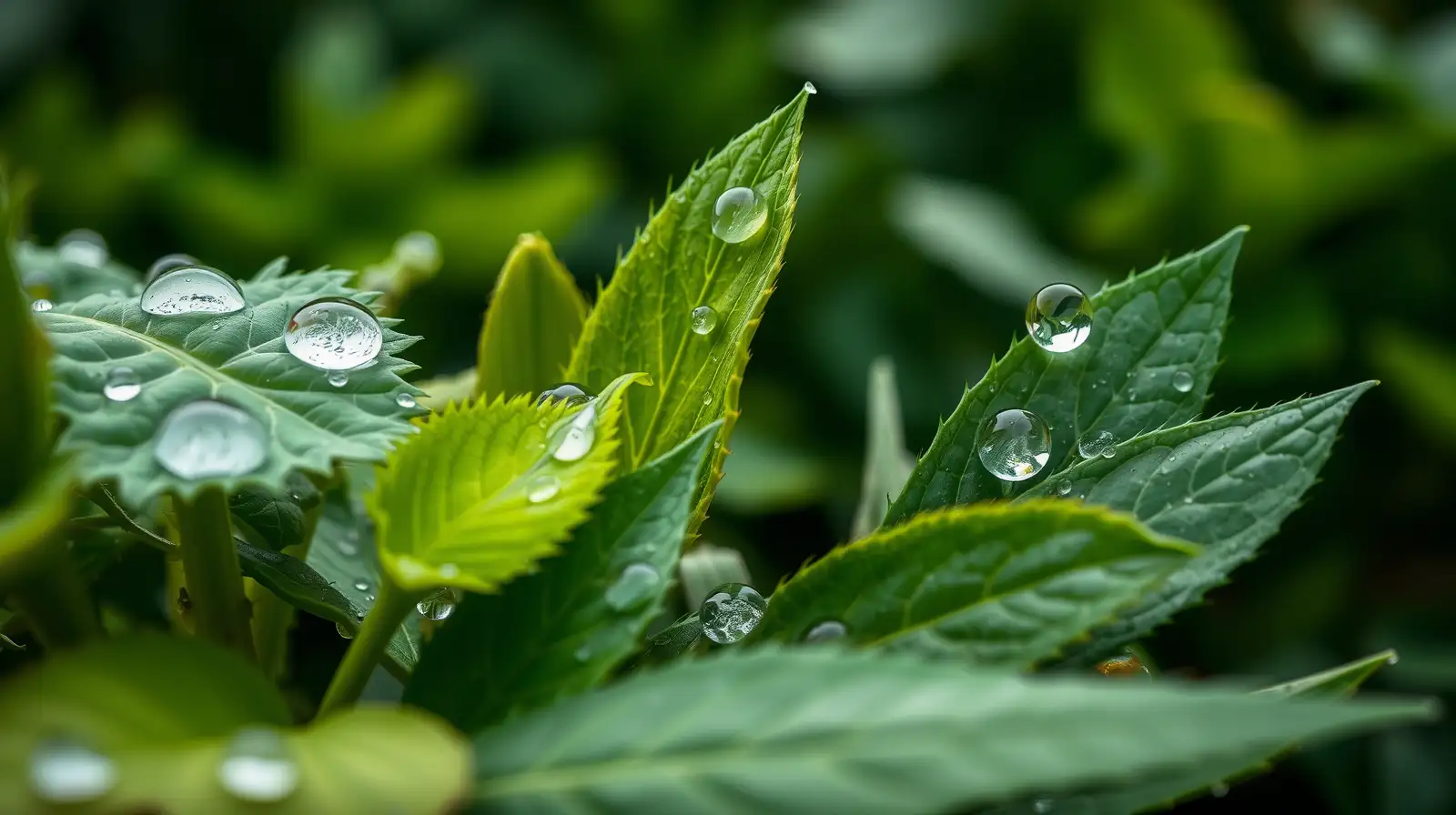
This waterproof layer covers the outer surface of many leaves. Instead of allowing water to soak into the leaf, it encourages droplets to form and roll away.
The effect is particularly noticeable on plants such as lotus leaves. Their surfaces are extremely water-repellent, causing droplets to gather into beads and slide away while carrying dust and dirt with them.
This phenomenon is sometimes called the lotus effect and has inspired water-resistant materials and surface technologies.
Some leaves have pointed tips or grooves that allow water to flow towards their edges. Others are angled in ways that prevent large amounts of water from remaining on the surface.
In tropical forests, where heavy rain is common, many plants have long, narrow or sharply pointed leaves. These shapes help rainwater drain quickly instead of sitting on the leaf.
That matters because prolonged wetness can increase the risk of fungal infections and other problems.
Leaves and stems can bend under the impact of rainfall, reducing the amount of mechanical stress they experience. A flexible plant is less likely to snap than one that remains completely rigid.
This is one reason grasses and many young plants can survive intense showers despite appearing delicate.
Plants therefore balance two competing needs: absorbing water while preventing excess moisture from staying around for too long.
Plants cannot move away from heavy rain. Instead, they have developed something arguably more impressive: the ability to stay exactly where they are and adapt to it.
Waxy Leaves Help Water Roll Away
One of the simplest ways plants protect their leaves from excess rain is with a thin waxy coating called the cuticle.This waterproof layer covers the outer surface of many leaves. Instead of allowing water to soak into the leaf, it encourages droplets to form and roll away.
The effect is particularly noticeable on plants such as lotus leaves. Their surfaces are extremely water-repellent, causing droplets to gather into beads and slide away while carrying dust and dirt with them.
This phenomenon is sometimes called the lotus effect and has inspired water-resistant materials and surface technologies.
Leaf Shape Controls Where Water Goes
Plants have also evolved different leaf shapes to manage rainfall.Some leaves have pointed tips or grooves that allow water to flow towards their edges. Others are angled in ways that prevent large amounts of water from remaining on the surface.
In tropical forests, where heavy rain is common, many plants have long, narrow or sharply pointed leaves. These shapes help rainwater drain quickly instead of sitting on the leaf.
That matters because prolonged wetness can increase the risk of fungal infections and other problems.
You may also like
- Indian man talks about the 'harsh reality' of moving to the US: 'Be prepared to put your photo on the wall if you work at a gas station'
- Delhi Prepares Drone Policy; Over 1,000 New Jobs Expected
- Income Tax Refund: Haven't received your income tax refund yet? These 5 reasons could be responsible..
- Isha Koppikar's powerful parenting lesson on raising children and what new-age parents can learn from it
- DU UG Third Merit List Released: Key Dates to Remember After Seat Allotment
Flexible Stems Absorb the Impact
Heavy raindrops can hit leaves with surprising force. Plants cannot run for shelter, so flexibility becomes an important defence.Leaves and stems can bend under the impact of rainfall, reducing the amount of mechanical stress they experience. A flexible plant is less likely to snap than one that remains completely rigid.
This is one reason grasses and many young plants can survive intense showers despite appearing delicate.
Plants Also Need to Avoid Too Much Water
It may sound strange, but plants can suffer when there is too much water. Waterlogged soil can reduce the oxygen available around roots, while constantly wet leaves can create ideal conditions for some pathogens.Plants therefore balance two competing needs: absorbing water while preventing excess moisture from staying around for too long.
Nature's Built-In Rain Protection
The next time you see water running effortlessly from a leaf during a downpour, it is worth remembering that this is not accidental. Leaf surfaces, shapes, angles and flexible structures have evolved over millions of years to manage one of nature's most unpredictable forces.Plants cannot move away from heavy rain. Instead, they have developed something arguably more impressive: the ability to stay exactly where they are and adapt to it.






Loving Newspoint? Download the app now
