
How To Make Perfect Tandoori Roti At Home Using A Pressure Cooker

Tandoori roti is one of the most loved Indian flatbreads, often served alongside rich curries, dals, and kebabs. Traditionally cooked inside a clay tandoor, this bread is known for its smoky aroma, slightly crisp exterior, and soft interior. While most people assume that making authentic tandoori roti requires specialised equipment, the truth is that you can achieve a remarkably similar result using a regular pressure cooker.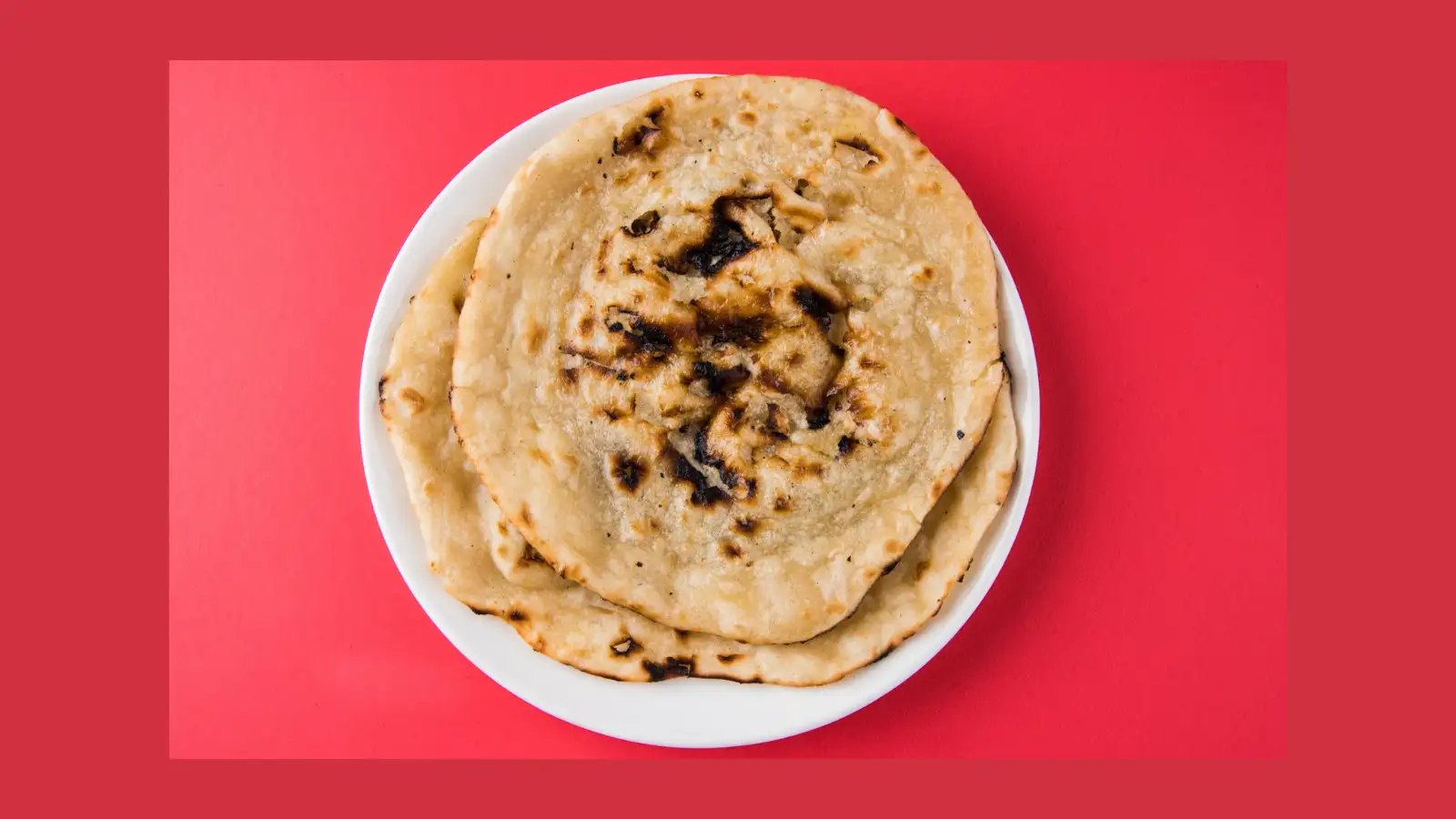
This pressure cooker tandoori roti recipe is simple, affordable, and ideal for home cooks who want restaurant-style results without investing in a tandoor oven. With a few basic ingredients and the right technique, you can enjoy freshly made tandoori roti at home whenever you like.
In a large bowl, combine the whole wheat flour and salt. Gradually add water and knead until you get a smooth, soft dough. Continue kneading for about 5 to 7 minutes to build elasticity.
Once the dough is ready, cover it with a damp cloth and let it rest for at least 20 minutes. Resting helps the gluten relax, making the dough easier to roll and resulting in softer rotis.
Also Read: Ragi, Jowar or Amaranth Roti: Which Millet Roti Supports Weight Loss Best?
Using a rolling pin, roll each dough ball into a medium-thick circular roti. Avoid making the roti too thin, as a slightly thicker shape helps create the classic tandoori roti texture with a soft centre and lightly crisp exterior.
This step is crucial because the water helps the roti stick firmly to the inner wall of the pressure cooker, mimicking the cooking process inside a traditional tandoor.
Place the empty cooker on high heat and allow it to preheat for several minutes. The cooker needs to become extremely hot before cooking begins. High heat is essential for achieving the smoky flavour and signature brown spots associated with restaurant-style tandoori roti.
Press gently to ensure it sticks properly. Let it cook until bubbles begin to form on the surface and light brown spots appear.
This indicates that the roti is cooking evenly and developing the desired texture.
The exposed side of the roti will now receive direct heat, creating beautiful charred spots and a smoky aroma similar to that of a traditional tandoor.
Using tongs, remove the roti once it turns golden brown and slightly crisp.
Also Read: Don’t Waste Leftover Rotis: 5 Quick and Tasty Recipes to Try at Home
It pairs wonderfully with:
Whether you are preparing a family dinner or hosting guests, this pressure cooker tandoori roti recipe is sure to impress with its authentic taste and texture.
This pressure cooker tandoori roti recipe is simple, affordable, and ideal for home cooks who want restaurant-style results without investing in a tandoor oven. With a few basic ingredients and the right technique, you can enjoy freshly made tandoori roti at home whenever you like.
Ingredients
- 2 cups whole wheat flour
- A pinch of salt
- Water as required
- Butter or ghee for serving
Step 1: Prepare The Dough
The secret to soft tandoori roti starts with a well-kneaded dough.In a large bowl, combine the whole wheat flour and salt. Gradually add water and knead until you get a smooth, soft dough. Continue kneading for about 5 to 7 minutes to build elasticity.
Once the dough is ready, cover it with a damp cloth and let it rest for at least 20 minutes. Resting helps the gluten relax, making the dough easier to roll and resulting in softer rotis.
Also Read: Ragi, Jowar or Amaranth Roti: Which Millet Roti Supports Weight Loss Best?
Step 2: Roll The Rotis
Divide the rested dough into equal-sized portions and shape them into balls.Using a rolling pin, roll each dough ball into a medium-thick circular roti. Avoid making the roti too thin, as a slightly thicker shape helps create the classic tandoori roti texture with a soft centre and lightly crisp exterior.
Step 3: Apply Water On One Side
Lightly brush or spread water over one side of the rolled roti.This step is crucial because the water helps the roti stick firmly to the inner wall of the pressure cooker, mimicking the cooking process inside a traditional tandoor.
Step 4: Preheat The Pressure Cooker
Take a pressure cooker and remove both the rubber gasket and whistle.Place the empty cooker on high heat and allow it to preheat for several minutes. The cooker needs to become extremely hot before cooking begins. High heat is essential for achieving the smoky flavour and signature brown spots associated with restaurant-style tandoori roti.
Step 5: Cook The Roti
Carefully place the water-coated side of the roti against the inner wall of the hot cooker.Press gently to ensure it sticks properly. Let it cook until bubbles begin to form on the surface and light brown spots appear.
You may also like
- How to tell if your account has been hacked? These 2 tips will prove very useful
- SIP Investment for Kids: Starting an SIP early for children can build a large fund even with a small investment..
- Who leads in borrowing: Gen Z, Millennials, or the elderly? Report reveals India's biggest borrowers.
- Lakshadweep ends nearly 47-year old liquor ban in tourism push; what travellers need to know
- Long shorts' stylish comeback
This indicates that the roti is cooking evenly and developing the desired texture.
Step 6: Roast Over Direct Flame
Once the inside portion is cooked, carefully invert the cooker over the flame.The exposed side of the roti will now receive direct heat, creating beautiful charred spots and a smoky aroma similar to that of a traditional tandoor.
Using tongs, remove the roti once it turns golden brown and slightly crisp.
Also Read: Don’t Waste Leftover Rotis: 5 Quick and Tasty Recipes to Try at Home
Serving Suggestions
Serve your freshly prepared pressure cooker tandoori roti hot with a generous brush of butter or ghee.It pairs wonderfully with:
- Paneer Butter Masala
- Dal Makhani
- Butter Chicken
- Chicken Curry
- Mixed Vegetable Curry
- Grilled Vegetables
- Seekh Kebabs
Whether you are preparing a family dinner or hosting guests, this pressure cooker tandoori roti recipe is sure to impress with its authentic taste and texture.






More from our partners


Loving Newspoint? Download the app now
