
Best Ways To Keep Packaged Chocolate Fresh For Longer

Chocolate is one of those treats people love to save for special occasions or late-night cravings. Whether it is a premium dark chocolate bar, creamy milk chocolate or flavoured chocolate squares, proper storage plays a huge role in preserving taste and texture.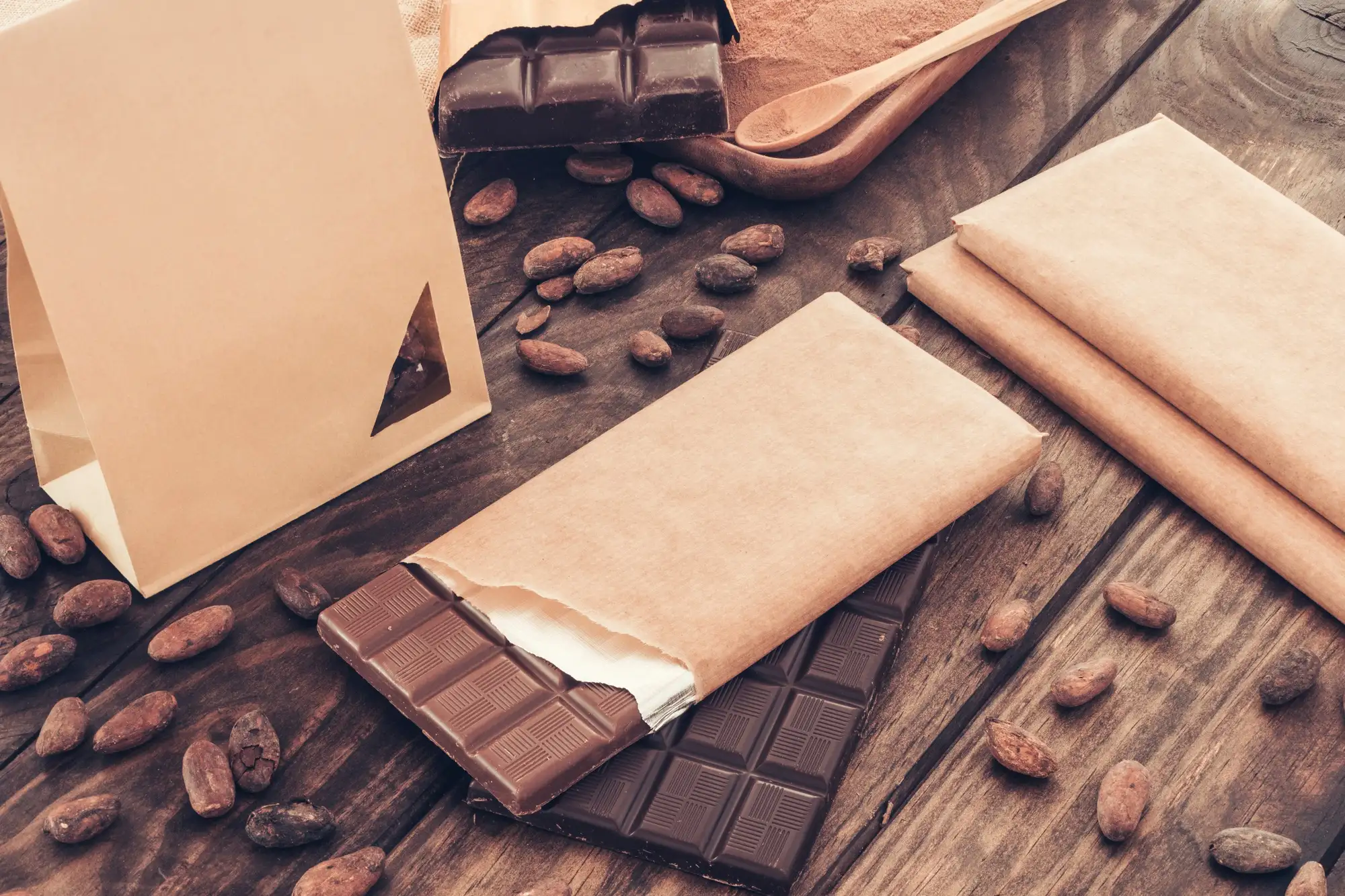
Many people assume chocolate can simply be left anywhere because it has a long shelf life. However, incorrect storage can cause chocolate to lose its smooth texture, rich flavour and glossy appearance. If you have ever noticed white marks on chocolate or found it tasting stale despite being unopened, storage is likely the reason.
The good news is that keeping packaged chocolate bars fresh is easier than you think.
Although bloomed chocolate is usually safe to eat, it often loses its creamy texture and rich taste. Chocolate can also absorb strong odours from nearby foods, affecting its original flavour.
This is why learning how to store chocolate correctly can make a big difference.
Also Read: Why Dark Chocolate Deserves A Place In Your Healthy Eating Routine
Consistent temperature matters more than many people realise. Frequent changes between warm and cool environments can damage the texture of packaged chocolate bars and increase the chances of bloom forming.
Avoid placing chocolate near kitchen appliances like ovens, microwaves or stovetops, where heat levels often rise.
Chocolate also easily absorbs food odours, meaning nearby items such as onions, garlic or spicy foods can affect its taste.
However, if you live in a hot and humid climate where room temperature regularly exceeds the ideal range, refrigeration may become necessary to prevent melting.
Many people assume chocolate can simply be left anywhere because it has a long shelf life. However, incorrect storage can cause chocolate to lose its smooth texture, rich flavour and glossy appearance. If you have ever noticed white marks on chocolate or found it tasting stale despite being unopened, storage is likely the reason.
The good news is that keeping packaged chocolate bars fresh is easier than you think.
Why Chocolate Storage Matters
Chocolate contains cocoa butter, which is highly sensitive to temperature and humidity changes. When exposed to heat or moisture, the cocoa butter can rise to the surface and create a pale coating called fat bloom.Although bloomed chocolate is usually safe to eat, it often loses its creamy texture and rich taste. Chocolate can also absorb strong odours from nearby foods, affecting its original flavour.
This is why learning how to store chocolate correctly can make a big difference.
Also Read: Why Dark Chocolate Deserves A Place In Your Healthy Eating Routine
The Ideal Temperature For Chocolate
The best temperature for storing chocolate is between 15°C and 20°C. A cool, dry cupboard or pantry away from sunlight is usually the safest place.Consistent temperature matters more than many people realise. Frequent changes between warm and cool environments can damage the texture of packaged chocolate bars and increase the chances of bloom forming.
Avoid placing chocolate near kitchen appliances like ovens, microwaves or stovetops, where heat levels often rise.
Should You Refrigerate Chocolate?
In most situations, refrigeration is not necessary. Refrigerators can introduce moisture, leading to sugar bloom, which appears as a grainy white layer caused by condensation.Chocolate also easily absorbs food odours, meaning nearby items such as onions, garlic or spicy foods can affect its taste.
However, if you live in a hot and humid climate where room temperature regularly exceeds the ideal range, refrigeration may become necessary to prevent melting.
How To Refrigerate Chocolate Correctly
If you decide to refrigerate chocolate bars, proper protection is important.Next Story