
Hydrogen-Powered Trains: Which Countries Are Using Them? A Look at the World's Green Rail Revolution

Hydrogen-powered trains are emerging as one of the cleanest alternatives to diesel locomotives, but despite growing interest, only a handful of countries have introduced them into real-world railway operations. While many nations are still testing the technology, countries such as Germany, Japan, China, the United States and now India have taken significant steps towards cleaner rail transport. With India launching its first hydrogen-powered train, the global race for zero-emission rail travel has gained fresh momentum.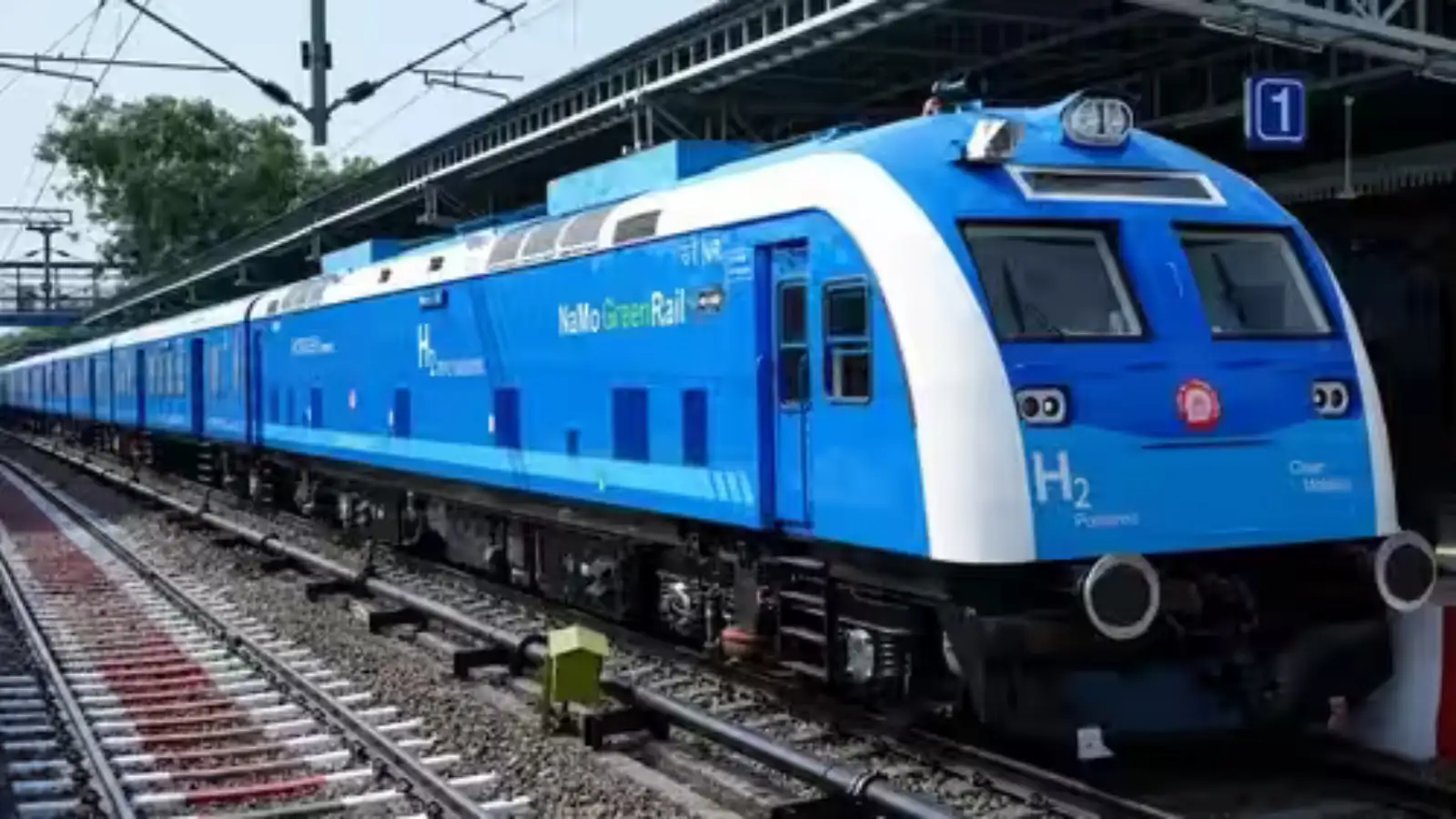
How do hydrogen-powered trains work?
Unlike conventional diesel trains, hydrogen-powered trains do not rely on burning fossil fuels to generate energy. Instead, they use hydrogen stored onboard, which is fed into a fuel cell. Inside the fuel cell, hydrogen combines with oxygen from the surrounding air to produce electricity.
This electricity powers the train's electric motors, while the only by-products are water vapour and a small amount of heat. As no combustion takes place, these trains produce zero harmful emissions during operation, making them one of the most environmentally friendly forms of rail transport available today.
Another key advantage is that hydrogen trains generate their own electricity while travelling. This allows them to operate on routes without overhead electric lines, making them a practical option for regions where railway electrification is limited or expensive.
Why are hydrogen trains considered the future of rail transport?
Hydrogen technology offers an effective solution for reducing carbon emissions from railway networks. Since these trains can run independently of external electric infrastructure, they are particularly useful on partially electrified or remote railway routes.
Governments around the world are exploring hydrogen-powered rail systems as part of their long-term clean energy strategies. However, widespread adoption remains slow due to the high cost of hydrogen production, the need for specialised refuelling stations and the development of supporting infrastructure.
Which countries currently have hydrogen-powered trains?
Although hydrogen trains have attracted global attention for several years, only a limited number of countries have introduced them into passenger rail operations or pilot projects.
Germany leads the global hydrogen rail movement
Germany became the world's first country to launch commercial hydrogen-powered passenger trains . It remains the global leader in this technology, having expanded hydrogen train services across several regional railway routes. Its successful deployment has become a benchmark for other nations considering similar projects.
Japan, China and the United States are advancing hydrogen rail technology
Countries including Japan, China and the United States have also developed hydrogen-powered trains through demonstration projects and limited operational services. These initiatives are helping railway authorities evaluate the technology's long-term reliability, efficiency and commercial viability.
Meanwhile, France, Italy and several other nations are continuing pilot programmes as they assess hydrogen's role in future public transport systems.
India joins the global list of hydrogen train nations
India has now entered the exclusive group of countries operating hydrogen-powered trains with the launch of its first hydrogen-powered train on the Jind–Sonipat railway section in Haryana under the Ministry of Railways.
According to the Centre, the train represents a major step towards cleaner and more sustainable rail transportation. Instead of relying on traditional fuels, it generates electricity onboard using hydrogen fuel cells and oxygen from the atmosphere, eliminating combustion and reducing dependence on external power supplies.
The train has also been equipped with multiple safety features capable of detecting hydrogen leaks, flames, heat and smoke. It is designed for a top speed of 110 kmph, while operating at 75 kmph on the 89-kilometre Jind–Sonipat route.
Why India's hydrogen train launch matters globally
India operates one of the world's largest railway networks, making the introduction of hydrogen-powered trains particularly significant. If the technology proves successful across India's vast and diverse rail infrastructure, it could provide a practical model for other countries with extensive non-electrified railway routes.
The launch also supports India's broader efforts to reduce transport emissions while modernising its rail network through cleaner and more sustainable technologies.
The road ahead for hydrogen-powered trains
Although hydrogen-powered trains are still in the early stages of global adoption, momentum is steadily building. Germany has demonstrated that commercial hydrogen rail services are possible, while countries including India, Japan, China and the United States continue to expand their experience with the technology.
As hydrogen production becomes more affordable and refuelling infrastructure improves, these zero-emission trains could play a much larger role in transforming rail transport worldwide. For now, only a select group of countries has embraced hydrogen-powered trains, but the coming years may determine whether they become a mainstream solution for sustainable mobility.
How do hydrogen-powered trains work?
Unlike conventional diesel trains, hydrogen-powered trains do not rely on burning fossil fuels to generate energy. Instead, they use hydrogen stored onboard, which is fed into a fuel cell. Inside the fuel cell, hydrogen combines with oxygen from the surrounding air to produce electricity.
This electricity powers the train's electric motors, while the only by-products are water vapour and a small amount of heat. As no combustion takes place, these trains produce zero harmful emissions during operation, making them one of the most environmentally friendly forms of rail transport available today.
Another key advantage is that hydrogen trains generate their own electricity while travelling. This allows them to operate on routes without overhead electric lines, making them a practical option for regions where railway electrification is limited or expensive.
Why are hydrogen trains considered the future of rail transport?
Hydrogen technology offers an effective solution for reducing carbon emissions from railway networks. Since these trains can run independently of external electric infrastructure, they are particularly useful on partially electrified or remote railway routes.
Governments around the world are exploring hydrogen-powered rail systems as part of their long-term clean energy strategies. However, widespread adoption remains slow due to the high cost of hydrogen production, the need for specialised refuelling stations and the development of supporting infrastructure.
Which countries currently have hydrogen-powered trains?
Although hydrogen trains have attracted global attention for several years, only a limited number of countries have introduced them into passenger rail operations or pilot projects.
Germany leads the global hydrogen rail movement
Germany became the world's first country to launch commercial hydrogen-powered passenger trains . It remains the global leader in this technology, having expanded hydrogen train services across several regional railway routes. Its successful deployment has become a benchmark for other nations considering similar projects.
Japan, China and the United States are advancing hydrogen rail technology
Countries including Japan, China and the United States have also developed hydrogen-powered trains through demonstration projects and limited operational services. These initiatives are helping railway authorities evaluate the technology's long-term reliability, efficiency and commercial viability.
You may also like
- This famous European destination now requires advance booking and entry fees for its most popular beaches
- Unique Baby Names Inspired by Football Legends
- How to Reduce Screen Time Without Feeling Disconnected
- 'Fifty years of the man who gave me everything': Daughter's birthday surprise leaves father in tears
- Depression is not a myth; instead of saying 'be strong', it is important to understand the patient's pain
Meanwhile, France, Italy and several other nations are continuing pilot programmes as they assess hydrogen's role in future public transport systems.
India joins the global list of hydrogen train nations
India has now entered the exclusive group of countries operating hydrogen-powered trains with the launch of its first hydrogen-powered train on the Jind–Sonipat railway section in Haryana under the Ministry of Railways.
According to the Centre, the train represents a major step towards cleaner and more sustainable rail transportation. Instead of relying on traditional fuels, it generates electricity onboard using hydrogen fuel cells and oxygen from the atmosphere, eliminating combustion and reducing dependence on external power supplies.
The train has also been equipped with multiple safety features capable of detecting hydrogen leaks, flames, heat and smoke. It is designed for a top speed of 110 kmph, while operating at 75 kmph on the 89-kilometre Jind–Sonipat route.
Why India's hydrogen train launch matters globally
India operates one of the world's largest railway networks, making the introduction of hydrogen-powered trains particularly significant. If the technology proves successful across India's vast and diverse rail infrastructure, it could provide a practical model for other countries with extensive non-electrified railway routes.
The launch also supports India's broader efforts to reduce transport emissions while modernising its rail network through cleaner and more sustainable technologies.
The road ahead for hydrogen-powered trains
Although hydrogen-powered trains are still in the early stages of global adoption, momentum is steadily building. Germany has demonstrated that commercial hydrogen rail services are possible, while countries including India, Japan, China and the United States continue to expand their experience with the technology.
As hydrogen production becomes more affordable and refuelling infrastructure improves, these zero-emission trains could play a much larger role in transforming rail transport worldwide. For now, only a select group of countries has embraced hydrogen-powered trains, but the coming years may determine whether they become a mainstream solution for sustainable mobility.






Loving Newspoint? Download the app now
