
Hydrotherapy Benefits: Why Water Therapy Could Transform Your Wellness Routine

When people think about improving their health, they often focus on diets, exercise plans, supplements, or fitness trends. However, one of the most powerful wellness tools may already be available at home—water. Hydrotherapy benefits have gained significant attention in recent years as more people explore natural ways to support physical and mental well-being. From easing muscle discomfort to promoting relaxation and recovery, water-based therapies are becoming an important part of modern wellness routines.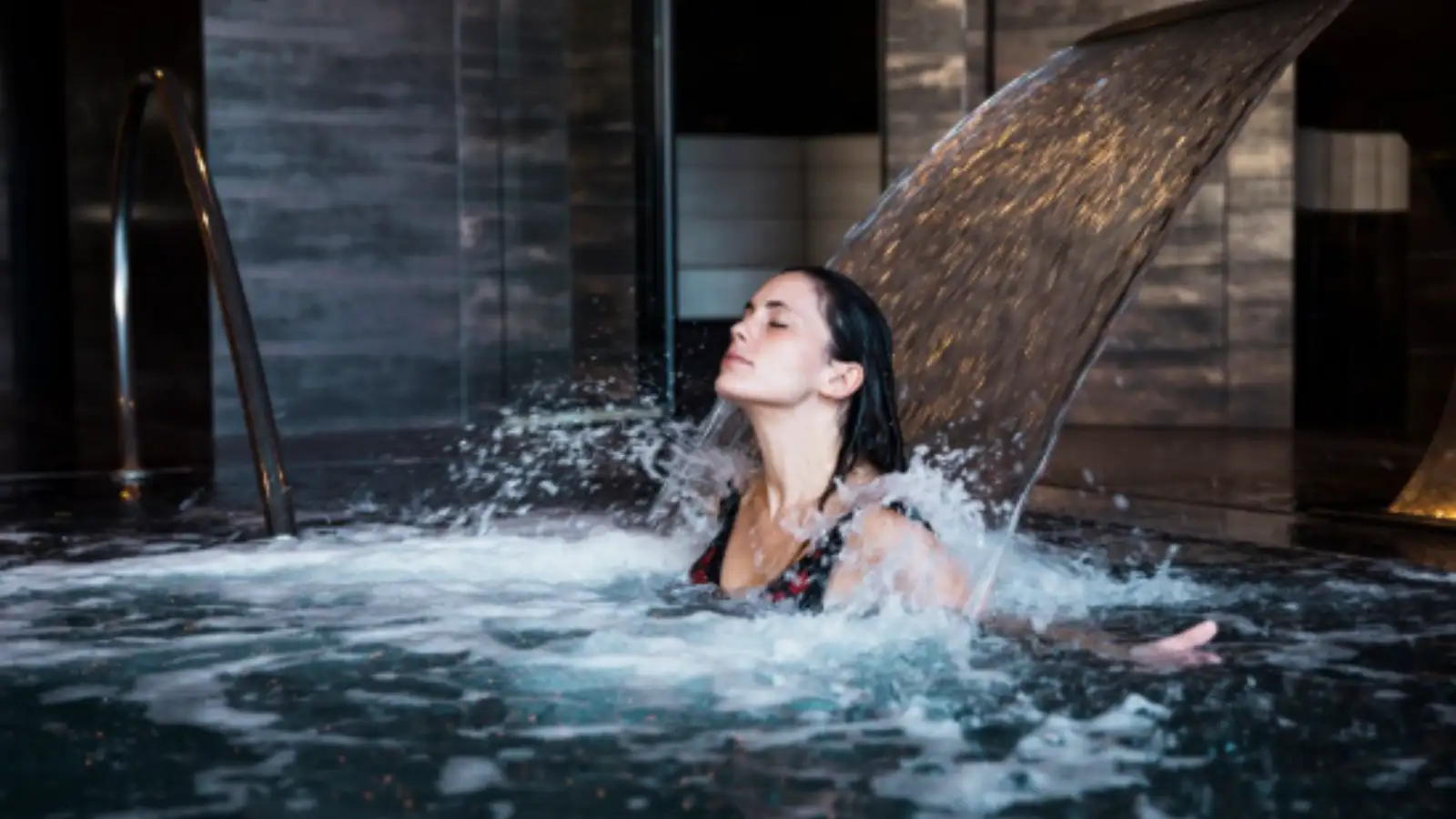
What Is Hydrotherapy?
Hydrotherapy refers to the use of water in different forms and temperatures to support health and healing. This practice can involve warm baths, cold-water immersion, steam treatments, contrast therapy, underwater massages, and other water-based techniques designed to stimulate the body's natural recovery processes.
The concept is simple: water can influence circulation, muscle function, stress levels, and overall comfort. Depending on the method used, hydrotherapy can either relax the body or invigorate it.
A Healing Tradition That Has Stood the Test of Time
The therapeutic use of water is far from a modern invention. Civilisations across the world have relied on water for healing purposes for centuries.
Ancient Roman bathhouses were not only social gathering spaces but also centres dedicated to health and rejuvenation. Likewise, traditional systems such as Ayurveda and naturopathy have long incorporated water therapies for cleansing, relaxation, and physical recovery.
Today, these age-old practices are finding renewed relevance as people seek natural and preventive approaches to wellness.
What Research Says About Hydrotherapy Benefits
Growing scientific interest has helped shed light on how hydrotherapy may contribute to overall health.
Studies indicate that water-based therapies can be particularly useful for individuals dealing with chronic discomfort, joint issues, and mobility challenges. Research has suggested that hydrotherapy may help improve movement and reduce discomfort in conditions such as arthritis and fibromyalgia when used alongside conventional treatments.
Warm-water therapies have also been associated with lower stress levels. Experts believe that soaking in warm water may help reduce muscle tightness and encourage relaxation by lowering cortisol, the body's primary stress hormone.
Cold-water immersion, commonly known as ice bathing, has attracted attention for its potential effects on mood, recovery, and immune function. Recent findings suggest that exposure to cold water may positively influence both emotional well-being and certain immune responses.
Why Hydrotherapy Is Becoming Popular Across India
India's wellness industry is increasingly embracing water-based treatments. Wellness retreats, naturopathy centres, and holistic health facilities in destinations such as Kerala, Pune, and Rishikesh are incorporating hydrotherapy into their programmes.
Treatments like ice baths, underwater massages, and alternating hot-and-cold water therapies are no longer viewed as luxury spa experiences alone. Instead, they are being integrated into broader wellness strategies focused on recovery, stress management, and preventive healthcare.
This growing popularity reflects a wider shift toward holistic health practices that support both the body and mind.
Easy Hydrotherapy Techniques You Can Try at Home
One of the biggest advantages of hydrotherapy is that many techniques are simple, affordable, and accessible.
You do not necessarily need specialised equipment or expensive treatments to experience its potential benefits. Some easy methods include:
These practices require minimal effort and can easily fit into everyday routines.
A Simple Yet Powerful Wellness Tool
Health experts point out that hydrotherapy remains one of humanity's oldest natural healing methods . Yet, despite its long history, many people rarely consider water as a dedicated wellness tool.
In a world filled with expensive health products, complicated routines, and endless wellness trends, hydrotherapy offers a refreshingly simple alternative. While it should never replace professional medical treatment, it can serve as a supportive practice that complements a healthy lifestyle.
Hydrotherapy is gaining momentum as more people recognise the connection between simple daily habits and long-term well-being. Whether through warm baths, cold-water immersion, steam therapy, or contrast showers, water-based practices can play a valuable role in relaxation, recovery, and preventive care.
As interest in natural wellness continues to grow, hydrotherapy reminds us that some of the most effective health-supporting tools are often the simplest - and may already be waiting in our homes.
What Is Hydrotherapy?
Hydrotherapy refers to the use of water in different forms and temperatures to support health and healing. This practice can involve warm baths, cold-water immersion, steam treatments, contrast therapy, underwater massages, and other water-based techniques designed to stimulate the body's natural recovery processes.
The concept is simple: water can influence circulation, muscle function, stress levels, and overall comfort. Depending on the method used, hydrotherapy can either relax the body or invigorate it.
A Healing Tradition That Has Stood the Test of Time
The therapeutic use of water is far from a modern invention. Civilisations across the world have relied on water for healing purposes for centuries.
Ancient Roman bathhouses were not only social gathering spaces but also centres dedicated to health and rejuvenation. Likewise, traditional systems such as Ayurveda and naturopathy have long incorporated water therapies for cleansing, relaxation, and physical recovery.
Today, these age-old practices are finding renewed relevance as people seek natural and preventive approaches to wellness.
What Research Says About Hydrotherapy Benefits
Growing scientific interest has helped shed light on how hydrotherapy may contribute to overall health.
Studies indicate that water-based therapies can be particularly useful for individuals dealing with chronic discomfort, joint issues, and mobility challenges. Research has suggested that hydrotherapy may help improve movement and reduce discomfort in conditions such as arthritis and fibromyalgia when used alongside conventional treatments.
Warm-water therapies have also been associated with lower stress levels. Experts believe that soaking in warm water may help reduce muscle tightness and encourage relaxation by lowering cortisol, the body's primary stress hormone.
Cold-water immersion, commonly known as ice bathing, has attracted attention for its potential effects on mood, recovery, and immune function. Recent findings suggest that exposure to cold water may positively influence both emotional well-being and certain immune responses.
Why Hydrotherapy Is Becoming Popular Across India
India's wellness industry is increasingly embracing water-based treatments. Wellness retreats, naturopathy centres, and holistic health facilities in destinations such as Kerala, Pune, and Rishikesh are incorporating hydrotherapy into their programmes.
Treatments like ice baths, underwater massages, and alternating hot-and-cold water therapies are no longer viewed as luxury spa experiences alone. Instead, they are being integrated into broader wellness strategies focused on recovery, stress management, and preventive healthcare.
This growing popularity reflects a wider shift toward holistic health practices that support both the body and mind.
Easy Hydrotherapy Techniques You Can Try at Home
One of the biggest advantages of hydrotherapy is that many techniques are simple, affordable, and accessible.
You may also like
- Explained: Baby swapping at IVF clinics exposed! How are embryos formed on glass plates instead of in the uterus?
- Yellow Sweat Stains: Sweat has left yellow stains on your white shirt; this will clean it up.
- Metabolic Health: This dangerous disease has increased rapidly among people after COVID-19. NFHS-6 figures will blow your mind.
- Don't rest easy just after filing your income tax; your file could get flagged for these 6 reasons.
- PM Kisan Samman Nidhi Yojana: ₹2,000 due on June 20, but these 5 mistakes could stall your payment.
You do not necessarily need specialised equipment or expensive treatments to experience its potential benefits. Some easy methods include:
Alternate Between Warm and Cold Showers
Switching between warm and cool water may help stimulate circulation and leave you feeling refreshed.Take an Epsom Salt Foot Soak
A warm foot bath with Epsom salt can help relax tired feet after a long day.Use Steam Inhalation
Inhaling warm steam may help clear nasal passages and promote a sense of relaxation.Enjoy a Warm Bath
A simple soak in warm water can ease muscle tension and provide a calming effect after a stressful day.These practices require minimal effort and can easily fit into everyday routines.
A Simple Yet Powerful Wellness Tool
Health experts point out that hydrotherapy remains one of humanity's oldest natural healing methods . Yet, despite its long history, many people rarely consider water as a dedicated wellness tool.
In a world filled with expensive health products, complicated routines, and endless wellness trends, hydrotherapy offers a refreshingly simple alternative. While it should never replace professional medical treatment, it can serve as a supportive practice that complements a healthy lifestyle.
Hydrotherapy is gaining momentum as more people recognise the connection between simple daily habits and long-term well-being. Whether through warm baths, cold-water immersion, steam therapy, or contrast showers, water-based practices can play a valuable role in relaxation, recovery, and preventive care.
As interest in natural wellness continues to grow, hydrotherapy reminds us that some of the most effective health-supporting tools are often the simplest - and may already be waiting in our homes.






More from our partners


Loving Newspoint? Download the app now
