
6 Common Tamarind Chutney Mistakes And How To Fix Them

Tamarind chutney , popularly known as imli chutney , is one of the most versatile condiments in Indian cuisine. Whether drizzled over chaats, served alongside crispy samosas, paired with pakoras, or used as a dipping sauce, this flavour-packed chutney can instantly elevate any dish.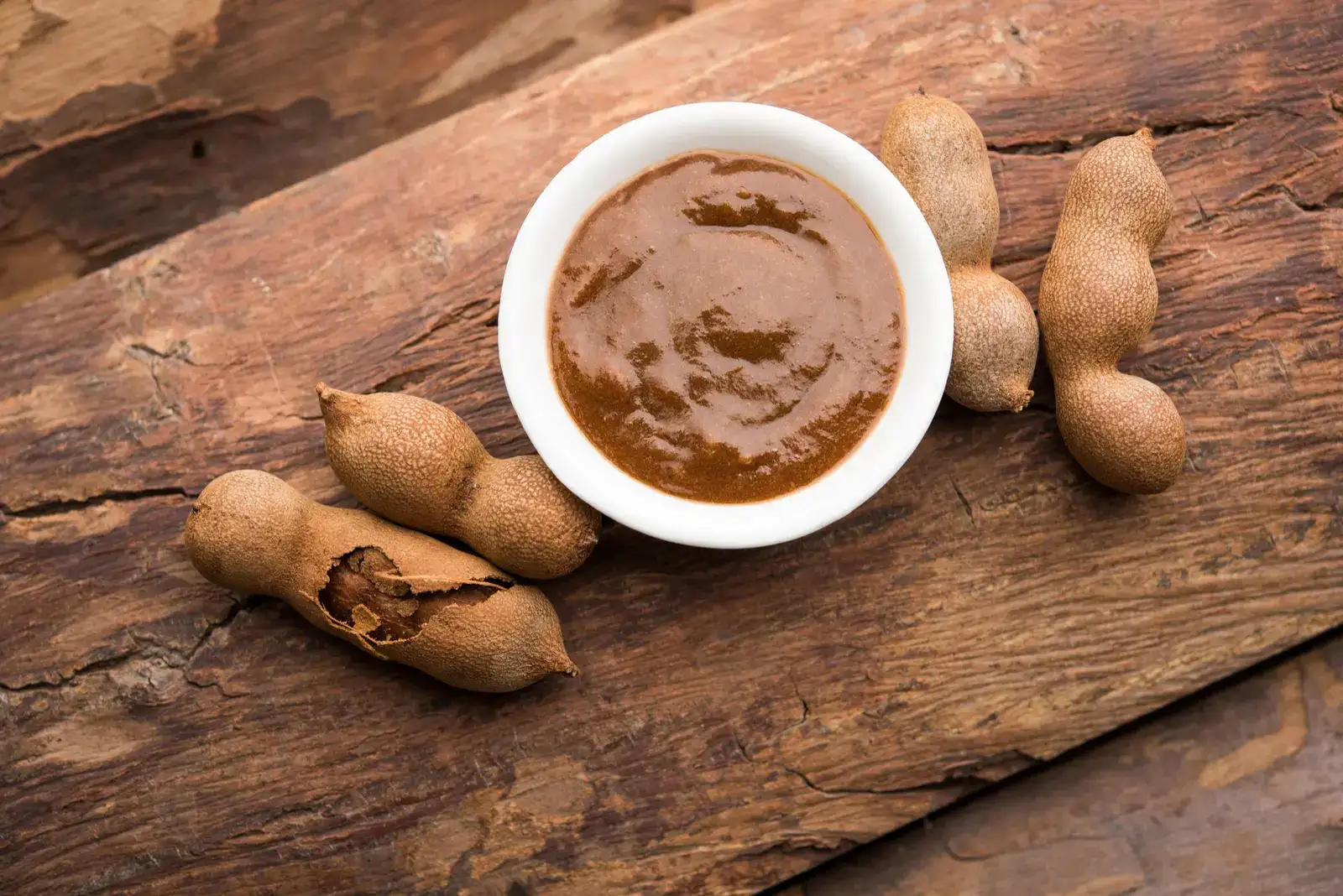
Although making tamarind chutney appears simple, achieving the perfect balance of sweetness, tanginess, texture, and consistency can be surprisingly tricky. Many home cooks struggle with chutney that turns overly sour, too watery, excessively thick, or loses its flavour after storage.
If you've experienced these problems, you're not alone. Here are some common tamarind chutney mistakes and simple ways to avoid them.
When the sourness becomes too intense, the chutney loses its balanced taste and may become unpleasantly sharp.
This can result in a coarse chutney that does not spread or coat snacks properly.
Also Read: Why Tamarind Should Never Be Added Early In Dal
Thin chutney may not cling well to snacks and can feel less rich.
Without enough sweetness, the chutney can taste harsh and overly acidic.
Also Read: Tamarind Health Benefits: A Natural Way to Improve Digestion and Lose Weight
The secret to perfect tamarind chutney lies in balance. By avoiding common mistakes such as using too much tamarind, adding excessive water, skipping the straining process, or neglecting proper storage, you can create a smooth, flavourful, and perfectly balanced imli chutney every time. With the right technique, your homemade chutney will become the star accompaniment to every snack and meal.
Although making tamarind chutney appears simple, achieving the perfect balance of sweetness, tanginess, texture, and consistency can be surprisingly tricky. Many home cooks struggle with chutney that turns overly sour, too watery, excessively thick, or loses its flavour after storage.
If you've experienced these problems, you're not alone. Here are some common tamarind chutney mistakes and simple ways to avoid them.
1. Using Too Much Tamarind
One of the most common reasons for overly sour tamarind chutney is using excessive tamarind pulp. Tamarind naturally has a strong tangy flavour, and even a small extra quantity can overpower the other ingredients.When the sourness becomes too intense, the chutney loses its balanced taste and may become unpleasantly sharp.
How To Fix It
- Measure tamarind carefully before soaking.
- Taste the pulp before adding it to the recipe.
- Balance excess sourness with a little extra jaggery or sugar.
- Add water gradually if the flavour feels too concentrated.
2. Not Straining The Tamarind Pulp Properly
Many people skip the straining step to save time. However, unstrained tamarind pulp often contains fibres, seeds, and rough particles that affect the texture.This can result in a coarse chutney that does not spread or coat snacks properly.
How To Fix It
- Strain soaked tamarind pulp through a fine sieve.
- Press gently to extract maximum flavour.
- Discard fibres and seeds completely.
Also Read: Why Tamarind Should Never Be Added Early In Dal
3. Adding Too Much Water
Water plays an important role in achieving the right consistency, but excessive amounts can quickly turn tamarind chutney watery and dilute its flavour.Thin chutney may not cling well to snacks and can feel less rich.
How To Fix It
- Add water gradually while cooking.
- Simmer until the desired consistency is reached.
- Remember that chutney thickens slightly as it cools.
4. Overcooking Or Undercooking The Chutney
Cooking time significantly impacts the final result. Overcooking can make the chutney excessively thick and reduce its fresh flavour. Undercooking, on the other hand, may leave a raw tamarind taste.How To Fix It
- Cook on medium heat.
- Stir regularly to prevent sticking.
- Stop cooking when the chutney reaches a slightly thick consistency.
5. Ignoring The Sweetness Balance
Sweetness is essential in homemade tamarind chutney . Jaggery or sugar helps soften tamarind's sharp acidity and creates the classic sweet-and-sour flavour.Without enough sweetness, the chutney can taste harsh and overly acidic.
How To Fix It
- Add jaggery gradually.
- Taste as you cook.
- Adjust sweetness according to the tartness of the tamarind.
Also Read: Tamarind Health Benefits: A Natural Way to Improve Digestion and Lose Weight
6. Improper Storage
Even perfectly prepared chutney can spoil quickly if stored incorrectly. Exposure to moisture, air, or contaminated utensils can affect both flavour and shelf life.How To Fix It
- Store in a clean, airtight container.
- Refrigerate immediately after cooling.
- Always use a dry spoon when serving.
- Consume within the recommended storage period.
Extra Tips For Perfect Imli Chutney
For consistently delicious results:- Use good-quality tamarind.
- Prefer jaggery for richer flavour.
- Strain pulp thoroughly.
- Adjust sweetness and tanginess gradually.
- Store properly in the refrigerator.
Next Story