
Mobility Shift: India’s Rank Drops to 81st in Latest Henley Passport Index 2026

The strength and reach of global travel documents have witnessed new recalculations in the July 2026 update of the Henley Passport Index. In the latest evaluation, the Indian passport slipped to 81st position globally, down one place from the 80th rank held in June 2026. The updated position leaves Indian passport holders with visa-free, visa-on-arrival, or electronic travel authorization access to 55 destinations across the world.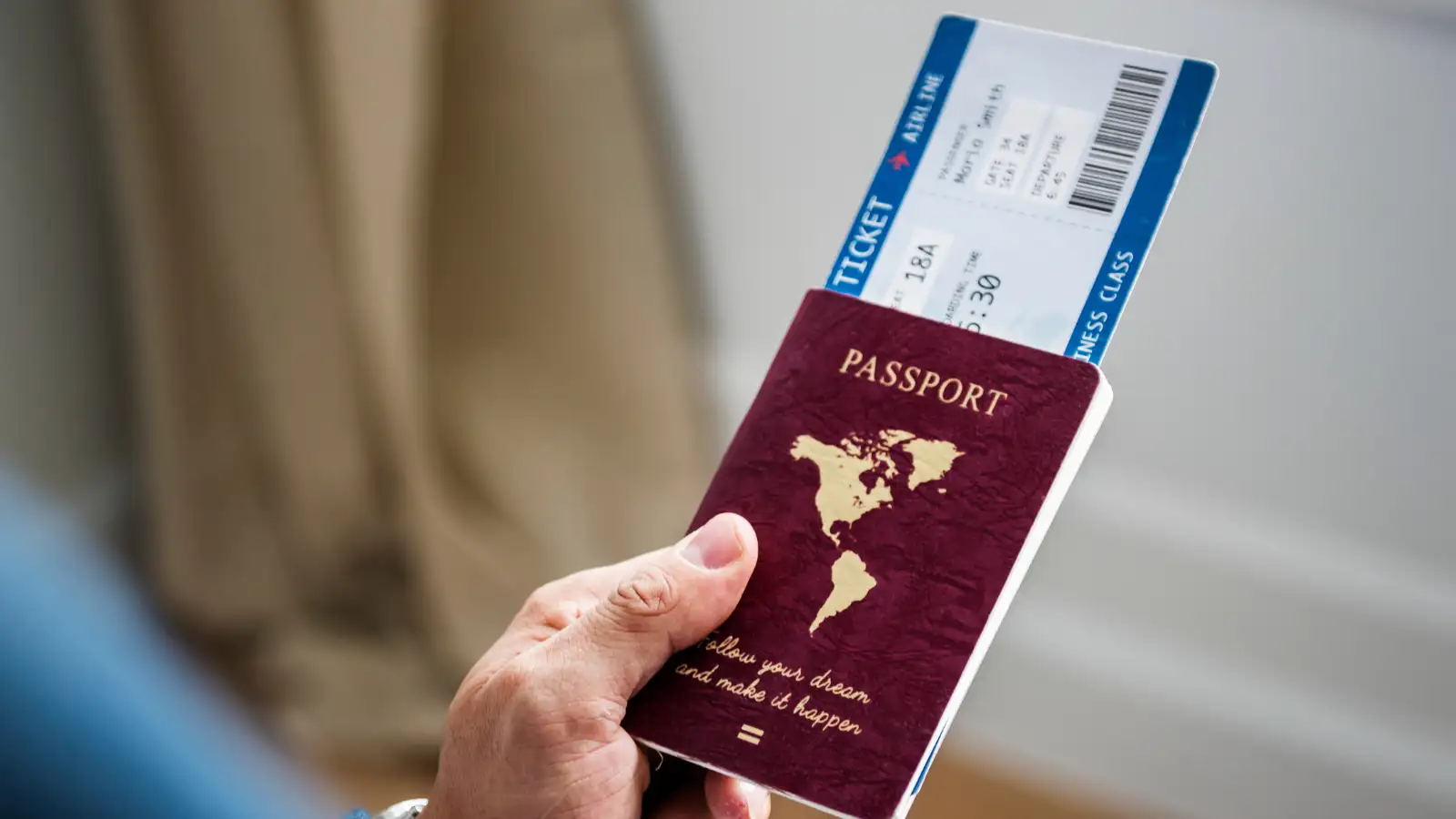
The minor adjustment in overall access reflects real-time updates in international border policies. Notably, the overall count moved down from 56 destinations following the removal of visa-on-arrival access for Indian travelers to the Cape Verde Islands. Derived from data provided by the International Air Transport Association, the Henley Passport Index measures 199 different passports against 227 travel destinations worldwide, continuously updating rankings as nations adjust their bilateral entry rules.
Such movements highlight how passport indices function as relative scales. A country's overall position can shift not only when its own entry rules change, but also when neighboring or competing nations sign new reciprocal travel deals for their citizens. As other countries expand their diplomatic networks and secure entry agreements, their mobility scores improve, causing minor positional drops for nations whose access numbers remain stationary.
The release of the July 2026 index coincides with the 20th anniversary of the Henley Passport Index, offering a long-term look at how global travel freedom has evolved since 2006. When the index was first introduced two decades ago, India held the 71st position globally. Over the intervening years, the passport experienced various highs and lows as global travel rules expanded.
The historical trend shows that India dropped to 88th place in 2015 and reached its lowest recorded point of 91st in 2021. Following that period, a gradual recovery phase saw the passport rise to 83rd in 2022, 84th in 2023, and 80th in 2024. While the global average for visa-free access nearly doubled over the past 20 years, rising from 58 destinations in 2006 to 108 destinations today, competition among nations to secure travel access has tightened significantly.
Within the South Asian regional context, India maintains a higher mobility score than several neighboring countries, including Bangladesh, Pakistan, and Nepal. However, it trails the Maldives in overall regional access. For Indian travelers, popular destinations in Southeast Asia, parts of the Caribbean, and select African nations remain accessible without advance visa processing, while travel to major European economies and the Americas continues to require formal visa application processes.
The minor adjustment in overall access reflects real-time updates in international border policies. Notably, the overall count moved down from 56 destinations following the removal of visa-on-arrival access for Indian travelers to the Cape Verde Islands. Derived from data provided by the International Air Transport Association, the Henley Passport Index measures 199 different passports against 227 travel destinations worldwide, continuously updating rankings as nations adjust their bilateral entry rules.
Recent Fluctuations and Year-Round Trends
Throughout 2026, the positioning of the Indian passport has shown consistent movement within a narrow band. The year began with India holding 80th place in January, before climbing to 75th position in February due to temporary expansions in access agreements. By mid-year, the rank stabilized around 80th position in June before settling at 81st in the late July release.You may also like
- EPFO: Mutual Fund or PF? EPFO reveals which is the more beneficial choice..
- Big relief for central government employees! Now, the CGHS pensioner card can be generated in a jiffy via the 'Bhavishya' portal..
- ISRO Offers Internship Opportunities to Students; Find Out Who Can Apply
- Made a mistake while filing your ITR? The Income Tax Department offers a second chance to rectify errors; here is the process..
- Chanakya Niti: These four things are more important than position and prestige, Chanakya had told the mantra of a happy life
Such movements highlight how passport indices function as relative scales. A country's overall position can shift not only when its own entry rules change, but also when neighboring or competing nations sign new reciprocal travel deals for their citizens. As other countries expand their diplomatic networks and secure entry agreements, their mobility scores improve, causing minor positional drops for nations whose access numbers remain stationary.
A Twenty-Year Historical Perspective on Indian Mobility
The release of the July 2026 index coincides with the 20th anniversary of the Henley Passport Index, offering a long-term look at how global travel freedom has evolved since 2006. When the index was first introduced two decades ago, India held the 71st position globally. Over the intervening years, the passport experienced various highs and lows as global travel rules expanded. The historical trend shows that India dropped to 88th place in 2015 and reached its lowest recorded point of 91st in 2021. Following that period, a gradual recovery phase saw the passport rise to 83rd in 2022, 84th in 2023, and 80th in 2024. While the global average for visa-free access nearly doubled over the past 20 years, rising from 58 destinations in 2006 to 108 destinations today, competition among nations to secure travel access has tightened significantly.
Global Standings and Regional Dynamics
In the global standings, Singapore continues to hold the 1st spot, granting its citizens visa-free access to 192 destinations. Japan, South Korea, and the United Arab Emirates share the 2nd position, offering entry to 188 destinations without a prior visa. Western powers have seen mixed shifts over time; while the United States held the 1st position in 2006, it now sits at 10th place on the list. At the bottom of the index, Afghanistan remains at 101st place with visa-free access to 24 destinations.Within the South Asian regional context, India maintains a higher mobility score than several neighboring countries, including Bangladesh, Pakistan, and Nepal. However, it trails the Maldives in overall regional access. For Indian travelers, popular destinations in Southeast Asia, parts of the Caribbean, and select African nations remain accessible without advance visa processing, while travel to major European economies and the Americas continues to require formal visa application processes.






Loving Newspoint? Download the app now
